Do Chickens Attract Rats and Mice? How to Stop Them
Do backyard chickens attract rats and mice? What really draws rodents to a coop and the feed storage, rat-proof feeders, and coop fixes that keep them out.
Chickens do not attract rats and mice, but their feed, eggs, and droppings do. Rodents are drawn to spilled grain, open feeders, uncollected eggs, and the shelter a coop provides, not to the birds themselves. The good news is that this makes the problem manageable: control the food and seal the coop, and you remove nearly every reason a rat or mouse would ever visit your flock.
Rodents are a real concern for backyard keepers because they steal feed, eat eggs, spread disease, and gnaw through coops. But with the right setup and habits, a tidy coop is far less appealing to rodents than the average backyard. Here is what attracts them and exactly how to keep them away.
Rodent-Proofing Gear for Your Coop

Grandpa's Feeders Grandpa's Rat-Proof Treadle Feeder
Step-to-open lid keeps feed sealed away from rats, mice, and wild birds.
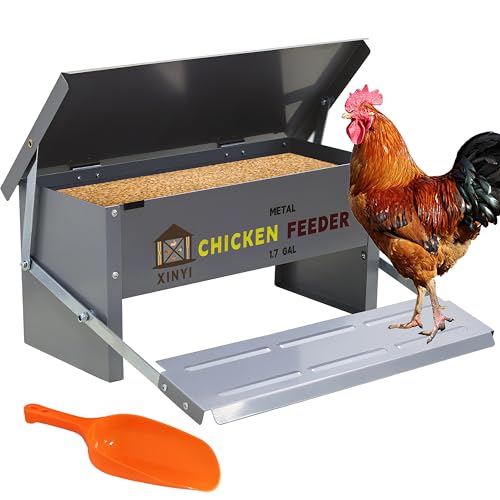
XINYI XINYI Metal Treadle Chicken Feeder
A budget treadle feeder that closes when birds step off, denying rodents.
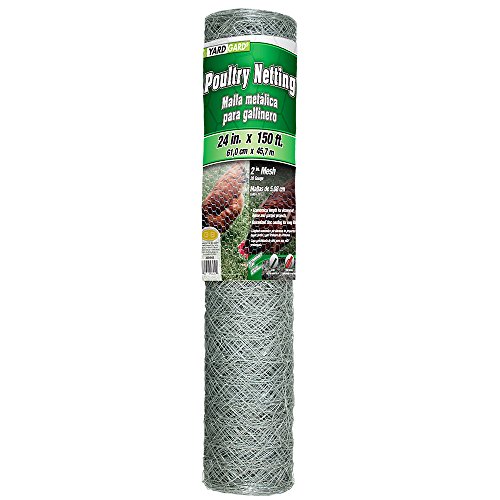
YARDGARD YARDGARD Galvanized Poultry Netting
Use with hardware cloth to seal gaps and keep diggers out of the coop.
Why Rodents Show Up Around a Coop
A chicken coop offers rodents the two things they want most: an easy meal and a safe place to live. Loose feed left out overnight is the biggest draw. A single open feeder can support a surprising number of mice, and rats will happily clean up whatever the hens scatter. Add the warmth of bedding, the cover of clutter, and the occasional egg, and a neglected coop becomes prime rodent real estate.
Understanding this is the key to prevention. The birds are not the magnet, the resources are. Every rodent-control step below works by taking away food, water, or shelter. Cut off all three and rodents simply move on to an easier target.
Lock Down the Feed
Feed management is by far the most important step, because food is what brings rodents in the first place. Handle this well and you have won most of the battle.
- Store feed in metal containers: Rats and mice chew through plastic and bags. A galvanized or steel can with a tight lid keeps stored feed sealed.
- Use a rodent-resistant feeder: Treadle feeders open only when a bird steps on the platform, closing the lid to rodents. Covered or port-style feeders also reduce spillage.
- Remove feed at night: Rats and mice feed after dark. Taking feeders in or closing treadle feeders at dusk denies the nighttime buffet.
- Clean up spills: Sweep scattered grain and avoid overfilling feeders so less ends up on the ground.
Collect Eggs and Manage Scraps
Feed is the main attraction, but eggs and food scraps matter too. Rats will eat eggs and even attack small chicks, so collect eggs daily rather than letting them sit in the nest. If you give your flock kitchen scraps or treats, offer only what they will finish quickly and remove leftovers before nightfall. A scrap pile that lingers is an open invitation.
Backyard Chicken Keepers Planner
Track your chicken's health, meds, vet visits, mobility, nutrition, and quality of life, all in one printable planner.
Seal and Declutter the Coop
Once the food is locked down, take away the shelter. Mice can squeeze through a gap the width of a pencil, and rats can chew through wood and standard chicken wire, so the coop itself needs attention.
- Use hardware cloth, not chicken wire: Cover vents, windows, and gaps with quarter-inch or half-inch hardware cloth that rodents cannot pass or chew.
- Add a dig-proof apron: Bury hardware cloth or lay it flat around the coop base to stop rats from tunneling under.
- Close every gap: Seal holes larger than a quarter inch around the foundation, doors, and roofline.
- Clear hiding spots: Remove brush, woodpiles, tall weeds, and clutter near the coop where rodents nest.
If Rodents Are Already There
If you spot droppings, gnaw marks, burrows, or feed disappearing overnight, act quickly before a few rodents become an infestation. Tighten up feed storage and seal the coop first, since trapping alone will not work if the buffet stays open. Snap traps inside enclosed, tamper-resistant boxes are effective and safer than poison around poultry. Avoid loose rat bait entirely, because chickens can eat it directly and both birds and pets can be poisoned by eating a sick rodent. For a heavy infestation, a professional who understands livestock-safe methods is worth the call.
The Bottom Line
Chickens get blamed for rats and mice, but rodents are really after the feed, eggs, and shelter a poorly managed coop provides. Store feed in metal, use a rat-proof feeder, remove food at night, collect eggs daily, and seal the coop with hardware cloth. Do those things and your flock can thrive without rolling out the welcome mat for rodents. Prevention is far easier than eviction, so build good habits from day one.
Pet Insurance · Sponsored
Have a Dog or Cat at Home Too? Protect Them From Surprise Vet Bills
Most backyard chicken keepers share their home with a dog or cat as well, and one emergency visit can run into the hundreds or thousands. Pet insurance can help cover surprise vet bills so a sudden cost does not force a hard choice. Get a free quote and see what coverage fits your household.
Frequently Asked Questions
Do chickens themselves attract rats?
Chickens do not attract rats, but their feed, eggs, and droppings do. Rats and mice are drawn to spilled grain, open feeders, uncollected eggs, and food scraps, not to the birds. A coop is simply a reliable buffet and shelter for rodents. Manage the food and the coop properly and you remove nearly every reason a rodent would visit.
How do I keep rats and mice out of my coop?
Store feed in metal bins, use a rat-proof treadle or hanging feeder, remove food at night, collect eggs daily, and seal gaps larger than a quarter inch with hardware cloth. Eliminate hiding spots like brush and clutter near the coop. Rodents need food and shelter, so cutting off both makes your coop far less appealing than the neighbor's yard.
Will chickens kill mice and rats?
Chickens will catch and eat mice and small rats opportunistically, and they are surprisingly effective hunters. However, you should never rely on your flock for rodent control. A serious infestation can outbreed what hens catch, and rodents spread disease and chew through structures. Treat any mousing your chickens do as a bonus, not a strategy.
Is it safe to use rat poison around chickens?
Rat poison is risky around poultry. Chickens can eat bait directly, and they or other pets can be poisoned by eating a sick rodent. If you must use bait, place it only in locked, tamper-resistant stations that birds cannot reach, well away from the run. Snap traps in enclosed boxes and good sanitation are safer first choices for a backyard flock.
What size mesh keeps rodents out of a coop?
Use hardware cloth with quarter-inch or half-inch openings, not chicken wire. Standard chicken wire keeps chickens in but mice can slip through and rats can chew it. Hardware cloth over vents, windows, and any gap, plus an apron buried or laid flat around the base, blocks both digging and squeezing rodents from getting inside.
How do I know if I have rats near the coop?
Look for droppings near feeders, gnaw marks on wood or feed bags, burrow holes near the coop foundation, disappearing feed overnight, and tunnels in bedding. You may also notice eggs going missing or nervous hens. Rats are mostly nocturnal, so a flashlight check after dark or a sudden spike in feed use often reveals an infestation early.
Need more help with your flock?
Browse our guides by topic to find practical solutions.
Wellness Planner: $39