Do Chickens Fly? How High and How to Keep Them In
Do chickens fly? How high they can really get, which breeds fly most, and how fencing, run netting, and wing clipping keep your flock safely contained.
Yes, chickens can fly, but only in short, low bursts. Most can flutter a few yards to clear a fence, hop into a tree, or reach a roost, but they are far too heavy for sustained flight. Lighter breeds and bantams are the best fliers and can clear a tall fence, while heavy breeds can barely leave the ground. With the right fencing or a covered run, keeping a flock contained is simple.
Understanding how and why chickens fly helps you plan a setup that keeps them safely inside and predators safely out. Here is the full picture, from how high they can really get to the best ways to keep your birds where they belong.
Keep Your Flock Safely Contained

BSTPCOO Heavy-Duty Bird Netting for Runs
Cover the run to keep chickens in and hawks out without clipping wings.
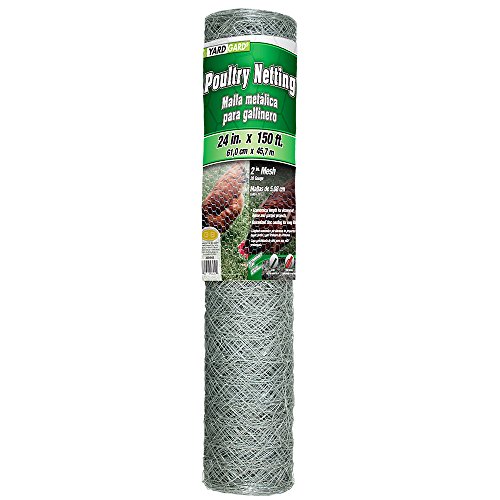
YARDGARD YARDGARD Galvanized Poultry Netting
Build a taller fence to discourage flighty birds from escaping.
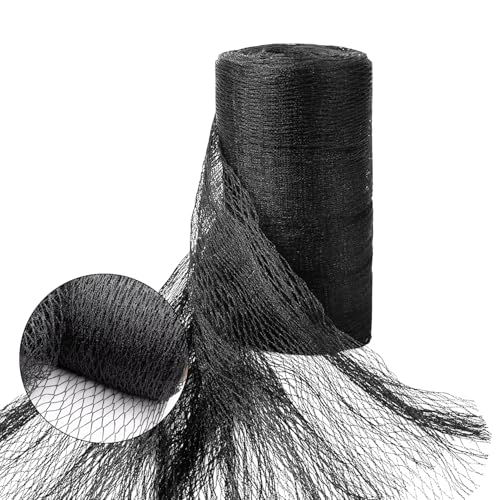
Vocray Vocray Woven Poultry Netting
Strong woven mesh for enclosing the top or sides of a run.
How Chickens Fly
Chickens are built for explosive, short-distance flight rather than gliding across the sky. Their wings let them burst upward to escape danger or reach a high roost, but their heavy bodies mean they tire almost immediately. A typical flight is a flapping scramble of a few yards, often gaining height to clear an obstacle, followed by a quick landing. They cannot soar or travel long distances the way wild birds do.
This matters for fencing because chickens fly up and over rather than across. A bird that can gain four or five feet of height can clear a fence of that height, even if it could never fly the length of your yard. So when you plan to contain a flock, vertical height and overhead cover are what count.
How High Can They Really Get?
The honest range depends heavily on breed and motivation. A determined, lightweight hen can clear a 4 to 6 foot fence without much trouble, and the flightiest birds can reach 8 to 10 feet to roost in a low tree. Heavy breeds, on the other hand, often cannot clear even a 3 or 4 foot barrier. A chicken is also far more likely to attempt a big flight when startled by a predator or chasing something tempting on the other side, so a fence that contains them on a calm day may not hold during a scare.
Which Breeds Fly Best
Breed is the single biggest predictor of how much a chicken will fly. If keeping birds contained is a priority, breed choice can solve the problem before you build a single fence.
- Strong fliers: Leghorns, Hamburgs, Anconas, Fayoumis, and most bantams are light, active, and quick to take to the air.
- Poor fliers: Orpingtons, Brahmas, Cochins, Wyandottes, and other heavy dual-purpose breeds rarely clear a fence.
- In between: Many mid-weight laying breeds can clear a low fence but are easily contained by a taller one.
If you want low-key birds that stay put, lean toward the heavier, calmer breeds. If you love the active, flighty breeds, simply plan a taller or covered enclosure to match.
Backyard Chicken Keepers Planner
Track your chicken's health, meds, vet visits, mobility, nutrition, and quality of life, all in one printable planner.
How to Keep Chickens Contained
You have several good options for keeping a flock where it belongs, and the best choice depends on your setup and concerns.
- Build a taller fence: A 6 foot fence contains most breeds, though the flightiest may still clear it.
- Cover the run: Netting or wire over the top is the most reliable fix. It keeps chickens in and, just as importantly, keeps hawks and climbing predators out.
- Choose heavier breeds: The simplest long-term solution if you have not bought birds yet.
- Clip flight feathers: Trimming the long primaries on one wing unbalances the bird so it cannot gain height.
About Wing Clipping
Wing clipping is a common, painless technique when done correctly. You trim only the long primary feathers on one wing, which throws the bird off balance and prevents it from gaining the height needed to clear a fence. Those feathers are like fingernails at the tips, with no nerves or blood supply, so a proper clip does not hurt. Avoid cutting the blood-filled shaft of new pin feathers during a molt. The trade-offs are that the clip must be repeated after each molt when the feathers regrow, and a clipped bird loses some ability to flee predators, which is why a covered run is often the better long-term answer for flocks facing hawks or climbing predators.
The Bottom Line
Chickens can fly, just not far or for long. They burst upward in short hops that let the lighter breeds clear a fence or reach a roost, while heavy breeds barely leave the ground. To keep your flock contained, match your fence height to your birds' abilities, cover the run for the most reliable and predator-proof solution, choose calmer breeds if you can, or clip wings as a quick fix. Plan for their modest flying skills and your chickens will stay happily and safely at home.
Pet Insurance · Sponsored
Have a Dog or Cat at Home Too? Protect Them From Surprise Vet Bills
Most backyard chicken keepers share their home with a dog or cat as well, and one emergency visit can run into the hundreds or thousands. Pet insurance can help cover surprise vet bills so a sudden cost does not force a hard choice. Get a free quote and see what coverage fits your household.
Frequently Asked Questions
Can chickens fly?
Chickens can fly, but only short, low bursts. Most can flutter up and over a fence, into a tree, or onto a roost, typically traveling a few yards and rarely staying airborne for long. They are too heavy for sustained flight. Lighter breeds and bantams fly best, while heavy breeds can barely get off the ground.
How high can a chicken fly?
A determined chicken can clear a 4 to 6 foot fence, and lighter breeds may reach 8 to 10 feet to roost in a tree. Heavy breeds often struggle to clear even a low fence. Because chickens fly upward in bursts rather than gliding far, fence height and breed choice are the main factors in whether yours can escape.
Which chicken breeds fly the most?
Lightweight and flighty breeds fly best, including Leghorns, Hamburgs, Anconas, Fayoumis, and most bantams. Heavy dual-purpose and meat breeds like Orpingtons, Brahmas, Cochins, and Wyandottes are poor fliers that rarely clear a fence. If keeping birds contained is a priority, choosing a heavier, calmer breed makes the job much easier.
How do I stop my chickens from flying over the fence?
Use a taller fence, cover the run with netting or wire, choose heavier breeds, or clip the flight feathers on one wing. Clipping unbalances the bird so it cannot gain height, is painless when done correctly, and grows back at the next molt. A covered run is the most reliable fix and also protects birds from hawks.
Does clipping a chicken's wings hurt?
No, clipping flight feathers does not hurt when done correctly. You trim only the long primary feathers on one wing, which are like fingernails and have no nerves or blood supply at the tips. Avoid the blood-filled shaft of new pin feathers during a molt. The clip lasts until the bird molts and regrows those feathers, then must be repeated.
Should I clip my chickens' wings or net the run?
It depends on your setup. Clipping is quick, free, and effective for keeping birds inside a fence, but it removes their ability to flee predators and must be redone after each molt. A covered run keeps chickens in and predators out without altering the birds, making it the better long-term choice if hawks or climbing predators are a concern.
Need more help with your flock?
Browse our guides by topic to find practical solutions.
Wellness Planner: $39