How Many Chickens Should I Get? A Beginner's Guide
How many hens do you really need? Learn the right starter flock size for your family, your egg needs, and your space, plus why three is the magic minimum.
Deciding how many chickens to get is one of the first real choices you will make as a new keeper, and it shapes everything that follows, from the size of your coop to your weekly feed bill. Get the number right and your flock will be calm, productive, and easy to manage. Get it wrong and you will be either drowning in eggs or, more commonly, wishing you had built bigger. This guide walks you through the math and the practical factors so you can land on a flock size that genuinely fits your family and your yard.
Housing Sized for Your Flock
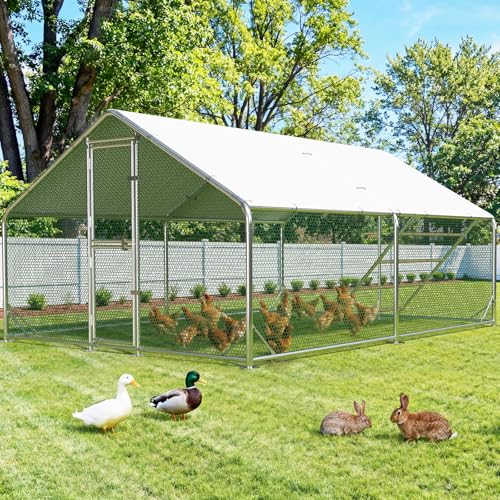
Sannwsg Metal Walk-in Chicken Coop, 13x10 ft
A spacious walk-in run that comfortably houses a larger flock as you grow.

PawHut Wooden Walk-in Chicken Coop for 8-10 Hens
A mid-size coop and run that suits a typical family starter flock.
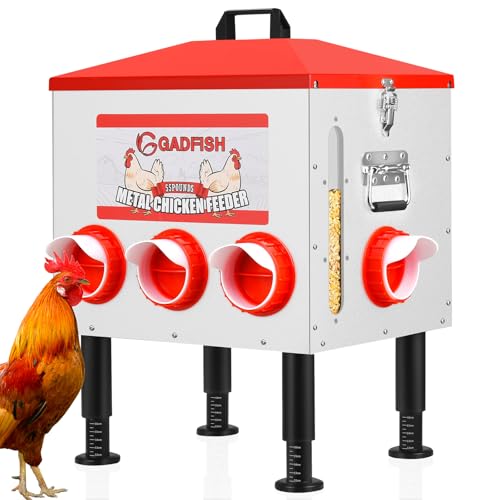
GADFISH 55 lb Automatic Chicken Feeder, 8 Ports
Large-capacity feeder so a bigger flock still means fewer daily refills.
Three Is the Magic Minimum
Whatever else you decide, do not keep just one chicken, and ideally not just two. Chickens are deeply social flock animals. A lone bird becomes stressed, anxious, and unhappy, and even a pair leaves no margin: if one dies, the survivor is suddenly alone. Three is the practical floor because it keeps a real flock dynamic intact and gives you a buffer against loss. From there, four to six is the sweet spot for most beginners, offering steady eggs, manageable care, and a forgiving cushion if you lose a bird.
Start With Your Egg Needs
The clearest way to choose a number is to work backward from how many eggs you actually want. A productive laying hen gives you roughly 250 to 300 eggs a year at her peak, which works out to about five or six eggs a week. Use that to do quick math:
- 3 hens: roughly 15 to 18 eggs a week in season, plenty for a couple or small household.
- 4 to 5 hens: around 20 to 30 eggs a week, a comfortable supply for a family of four.
- 6 hens: about 30 to 36 eggs a week, with a reliable surplus to share or bake with.
Two important caveats keep these numbers honest. Production drops sharply in winter, during the annual molt, and as hens age past their first two or three years. And almost everyone underestimates how many eggs they will use once they are this fresh. When in doubt, round up rather than down.
Let Your Space Set the Ceiling
Egg needs tell you the minimum flock size. Your space tells you the maximum. The standard rule is about 4 square feet of coop floor per bird, plus 8 to 10 square feet per bird in the run. These are minimums, not targets, and crowding is the most common and most damaging beginner mistake. Overcrowded chickens peck, pick feathers, fight over the pecking order, and spread disease far more easily. Measure the area you can realistically dedicate, divide by the space-per-bird figures, and treat that as your hard ceiling. If the number your space allows is smaller than the flock you wanted, the answer is a bigger coop, not more crowded birds.
Backyard Chicken Keepers Planner
Track your chicken's health, meds, vet visits, mobility, nutrition, and quality of life, all in one printable planner.
Think About the Whole Year, Not Just Spring
New keepers often size their flock during the excitement of spring, when young hens are laying enthusiastically and eggs pile up on the counter. Then winter arrives, daylight shrinks, and production can fall by half or more. Hens also pause laying for several weeks each fall during molt, and their output declines every year as they age. A flock that feels slightly too big in June will feel just right in December. This is another reason to lean toward the higher end of your range rather than the lower.
Plan for Loss and the Future
Chicken keeping comes with losses, whether from predators, illness, or simple old age. A flock of three that drops to two has a problem, while a flock of six that drops to five barely notices. Building in a little cushion makes your flock more resilient and spares you the stress of a sudden, lonely survivor. It is also worth thinking ahead: many keepers catch the bug and want to expand within a year or two. Adding birds later means managing introductions to an established pecking order, which is doable but fiddly. If you suspect you will grow, build your coop and run for that larger future flock now, so expansion is as simple as adding chicks.
One Breed or a Mixed Flock?
Once you have a number, you can decide on composition. A single breed gives you uniform eggs and a predictable temperament, which some keepers prefer for simplicity. A mixed flock, on the other hand, rewards you with a rainbow of egg colors and a delightful variety of personalities, which is part of the fun for many backyard keepers. If you mix breeds, choose ones of similar size and temperament so a much larger or more assertive bird does not bully the gentler ones. A flock of calm, dual-purpose breeds is a forgiving and friendly choice for a first attempt.
Putting It All Together
Here is the simple decision path. Start with three as your minimum, then adjust upward based on how many eggs your household will use, remembering that production dips through winter and with age. Check that figure against your available space at 4 square feet of coop and 8 to 10 square feet of run per bird, and let space set your ceiling. Add a small cushion for losses and possible expansion. For most families, that lands somewhere between four and six hens, which is exactly why that range is the classic beginner recommendation. Pick your number, build housing that comfortably exceeds the space minimums, and you will be set up for a happy, productive flock.
Pet Insurance · Sponsored
Have a Dog or Cat at Home Too? Protect Them From Surprise Vet Bills
Most backyard chicken keepers share their home with a dog or cat as well, and one emergency visit can run into the hundreds or thousands. Pet insurance can help cover surprise vet bills so a sudden cost does not force a hard choice. Get a free quote and see what coverage fits your household.
Frequently Asked Questions
What is the minimum number of chickens to keep?
Three is the practical minimum. Chickens are flock animals that feel safe and behave normally only in a group, and a single bird becomes stressed and lonely. Keeping three also gives you a buffer, so if you lose one to illness or a predator, the remaining birds still have company while you decide whether to add more.
How many eggs will a small flock produce?
A good laying hen produces roughly 250 to 300 eggs a year at her peak, which is about five or six a week. So three or four productive hens often yield around two dozen eggs a week in season. Production dips in winter, during molt, and as hens age, so plan for a generous estimate in spring and a leaner one in the cold months.
How many hens do I need for a family of four?
Three to five hens usually keep a family of four in eggs through the laying season, allowing for slow days and winter dips. If you bake often, share with neighbors, or want a steady surplus, six is a comfortable number. It is easy to underestimate, so most keepers are happier landing on the higher end of their range.
Can I keep just two chickens?
Two is better than one, but it is risky. If one bird dies, the survivor is left completely alone, which is hard on a flock animal. A pair also leaves no margin for the natural pecking order, so a bit of bullying can become relentless. Three or more is far more resilient and is the number most experienced keepers recommend.
How much space do I need per chicken?
Plan for about 4 square feet per bird inside the coop and 8 to 10 square feet per bird in the run. More is always better. Crowding causes pecking, feather picking, stress, and disease, and it is the most common beginner mistake. Decide your flock size first, then build housing that comfortably exceeds these minimums.
Should I get all the same breed or a mix?
Either works. A single breed gives you uniform eggs and temperament, while a mixed flock offers a rainbow of egg colors and a variety of personalities, which many keepers love. If you mix breeds, choose ones with similar temperaments and sizes so a much larger or more assertive bird does not dominate the smaller ones.
Is it better to start small and add more later?
Starting small is sensible for learning, but adding birds later means managing introductions, since an established flock can be rough on newcomers. Many keepers find it easier to start with the full flock they want, raised together from chicks. If you do plan to expand, build a coop and run sized for the larger future flock from day one.
Need more help with your flock?
Browse our guides by topic to find practical solutions.
Wellness Planner: $39