How to Start Raising Chickens: A Beginner's Guide
A friendly, practical guide to starting your first backyard flock: choosing breeds, building a coop, buying chicks or hens, feeding, and the daily care that keeps chickens healthy.
Raising backyard chickens is one of the most rewarding things you can do with a corner of your yard. Fresh eggs, friendly birds with real personalities, and a steady supply of garden compost are just the start. The good news is that chickens are forgiving animals, and getting going is more about planning than skill. This guide walks you through every step, from deciding whether chickens are right for you to bringing your first flock home and settling into an easy daily routine.
Backyard Chicken Starter Essentials

LEVELEVE Large Walk-in Chicken Coop with Run
Roomy walk-in coop and run for a small starter flock, with predator-resistant galvanized panels.
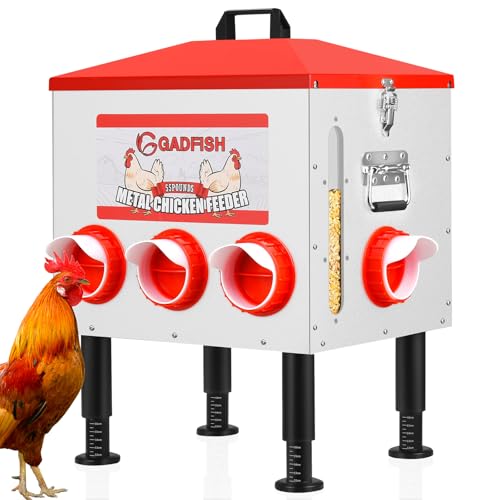
GADFISH 55 lb Automatic Chicken Feeder, 8 Ports
Large-capacity, rain-resistant feeder that cuts waste and lets you skip a few days of refills.
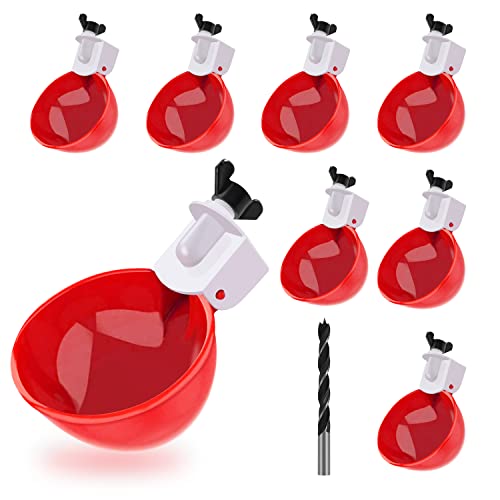
Darcvds Chicken Waterer Cups, 8 Pack
Clip-on poultry watering cups to build a clean, refill-friendly waterer from a bucket or pipe.

Manna Pro Manna Pro Layer Pellets, 16% Protein
Complete layer feed with the calcium and protein laying hens need for strong shells.
Step 1: Decide If Backyard Chickens Fit Your Life
Before you fall in love with a hatchery catalog, be honest about the commitment. Chickens live six to ten years, need fresh food and water every single day, and require a secure coop and a daily egg collection. They are not difficult, but they are dependent on you, including on vacations and cold mornings. If you travel often, line up a chicken sitter before you start. For most families, the daily routine takes only ten or fifteen minutes once everything is set up, which is part of what makes the hobby so approachable.
Step 2: Check Your Local Laws First
This is the step beginners most often skip, and the one that causes the most heartbreak. Many cities and suburbs allow backyard hens, but the details vary: some cap flock size, many ban roosters, and others require setback distances from property lines or a simple permit. Homeowners associations sometimes have their own rules on top of city code. Read your zoning ordinance, call your local planning office if anything is unclear, and confirm before you buy a single bird. It is much easier to plan around the rules than to rehome a flock.
Step 3: Choose the Right Breed for You
There is no single best chicken, only the best chicken for your goals and climate. Think about what matters most to you.
- Steady egg production: Rhode Island Reds, Leghorns, and Australorps are reliable layers.
- Friendly and beginner-proof: Buff Orpingtons, Plymouth Rocks, and Sussex are calm and easy to handle.
- Cold climates: Heavier, small-combed breeds like Wyandottes and Orpingtons tolerate winter well.
- Hot climates: Lighter breeds with larger combs, such as Leghorns, shed heat better.
- Colorful eggs: Easter Eggers lay blue and green eggs and are hardy, friendly birds.
Many keepers choose a mixed flock so they get a rainbow of eggs and a range of personalities. Dual-purpose breeds, which lay well and have a sturdy body, are a forgiving choice for a first flock.
Step 4: Build or Buy a Secure Coop and Run
Your coop is the heart of the operation, and it does two jobs: shelter and safety. Aim for roughly 4 square feet of indoor floor space per bird, plus 8 to 10 square feet per bird in the attached run. Inside, every bird needs a spot on a roosting bar, since chickens instinctively sleep up off the floor, and you will want about one nesting box for every three to four hens. Good ventilation high up keeps the air dry without creating a draft at roost level.
Security is where many first coops fall short. Raccoons can open simple latches, and weasels and rats slip through gaps as small as an inch. Cover all openings with half-inch hardware cloth rather than flimsy chicken wire, use two-step latches, and bury or skirt hardware cloth around the base to stop diggers. A coop that looks cute but is not predator-tight will not stay full of chickens for long.
Backyard Chicken Keepers Planner
Track your chicken's health, meds, vet visits, mobility, nutrition, and quality of life, all in one printable planner.
Step 5: Choose Chicks, Pullets, or Grown Hens
You have three main ways to start a flock, each with trade-offs.
- Day-old chicks are the cheapest and most fun, but they need a heated brooder for several weeks and will not lay for months.
- Started pullets are young females close to laying age. They cost more but skip the brooder stage and start producing sooner.
- Adult hens give you eggs right away, but you know less about their history and they have fewer laying years ahead.
For most beginners who want the full experience, day-old chicks from a reputable hatchery or feed store in spring are a wonderful start. If you would rather skip the heat lamp and the wait, started pullets are a practical shortcut.
Step 6: Feed and Water the Right Way
Feeding chickens is simpler than it looks because complete commercial feeds do the work for you. Chicks eat starter feed, growing birds eat grower, and once hens reach laying age they switch to a complete layer feed that supplies the extra calcium for strong shells. Offer crushed oyster shell in a separate dish so each hen can top up her calcium as needed. If your birds eat anything besides their feed, including treats or free-range forage, they also need a dish of insoluble grit to grind food in their gizzard.
Clean water is just as important as feed. Chickens drink a surprising amount, especially in heat, and dirty water spreads disease fast. A cup or nipple-style waterer stays cleaner than an open dish. In winter, plan for a heated base or a daily swap so the water never freezes solid.
Step 7: Settle Into a Simple Daily Routine
Once everything is in place, the rhythm of chicken keeping is genuinely easy and even soothing. A typical day looks like this:
- Morning: Open the coop, check and refill food and water, and give the flock a quick once-over.
- Midday or afternoon: Collect eggs, more often in hot weather so they do not spoil or get broken.
- Evening: Make sure every bird is in and close the coop securely against predators.
- Weekly: Scoop or refresh bedding, scrub the waterer, and scan for mites, lice, and bumblefoot.
Spend a few quiet minutes watching your flock each day. Healthy chickens are active, curious, and noisy in a contented way. Learning what normal looks like is the best early-warning system you have, because chickens hide illness well. For anything beyond minor issues, contact a poultry-savvy or avian vet or your local cooperative extension office, which is a free and underused resource for new keepers.
You Are More Ready Than You Think
Starting a backyard flock can feel like a lot at first, but it breaks down into a handful of clear decisions: confirm the rules, pick your birds, build a safe and roomy home, feed them well, and check on them daily. Get those right and chickens largely take care of themselves. Within a few months you will be collecting your first eggs and wondering why you waited so long.
Pet Insurance · Sponsored
Have a Dog or Cat at Home Too? Protect Them From Surprise Vet Bills
Most backyard chicken keepers share their home with a dog or cat as well, and one emergency visit can run into the hundreds or thousands. Pet insurance can help cover surprise vet bills so a sudden cost does not force a hard choice. Get a free quote and see what coverage fits your household.
Frequently Asked Questions
How many chickens should I start with?
Most first-time keepers do best with three to six hens. Chickens are flock animals and get stressed when kept alone or in pairs, so three is a sensible floor. A small flock of four to six gives you a steady supply of eggs, room for the occasional loss, and a manageable amount of feed, cleaning, and space without overwhelming a beginner.
Do I need a rooster to get eggs?
No. Hens lay eggs whether or not a rooster is present. You only need a rooster if you want fertile eggs to hatch chicks. Many towns also ban roosters because of the noise, so most backyard keepers skip them entirely and still collect plenty of fresh eggs from their hens.
How much space do chickens need?
Plan for about 4 square feet per bird inside the coop and 8 to 10 square feet per bird in the run. Crowding is the single most common beginner mistake and leads to pecking, feather picking, and disease. When in doubt, build bigger than you think you need, since flocks have a way of growing.
When will my chickens start laying eggs?
Most breeds reach point of lay around 18 to 22 weeks of age. Some lighter laying breeds start a little sooner and some heavier or fancier breeds take longer. Day length matters too, so a pullet that matures in late fall may wait until spring to lay her first egg.
How much does it cost to keep chickens?
Startup is the big expense: a coop, run, feeder, waterer, and your first birds usually run a few hundred dollars. After that, ongoing costs are modest, often $15 to $40 per month in feed and bedding for a small flock. Backyard eggs are rarely cheaper than store eggs, so keep chickens for the freshness, the experience, and the enjoyment.
Are chickens hard to take care of?
Daily care is genuinely simple: refill food and water, collect eggs, and do a quick health check. Most of the work is one-time setup and a weekly coop cleaning. The harder parts are planning enough space, predator-proofing well, and learning to spot illness early, all of which this guide walks you through.
Can I keep chickens in my town?
Many towns and suburbs allow backyard hens, but rules vary widely on flock size, roosters, setback distances, and permits. Always check your local zoning ordinance and any HOA covenants before you buy birds. It is far easier to confirm the rules first than to rehome a flock later.
Need more help with your flock?
Browse our guides by topic to find practical solutions.
Wellness Planner: $39