Raising Chickens for Beginners: Everything You Need to Know
New to chickens? This beginner's guide covers breeds, coops, feeding, daily care, common mistakes, and what to expect in your first year, so your first flock thrives.
Raising chickens for the first time is genuinely easier than most people expect, and far more enjoyable. Chickens are forgiving animals, the daily routine is simple once you are set up, and the rewards, from fresh eggs to charming birds with real personalities, arrive quickly. This beginner's guide pulls together everything you need to know to start with confidence: choosing the right birds, building a safe home, feeding them well, settling into a daily rhythm, and sidestepping the mistakes that trip up newcomers. Think of it as your friendly roadmap for year one.
Beginner Flock Essentials
LEVELEVE Large Walk-in Chicken Coop with Run
A roomy, predator-resistant home that gives a first flock plenty of space.
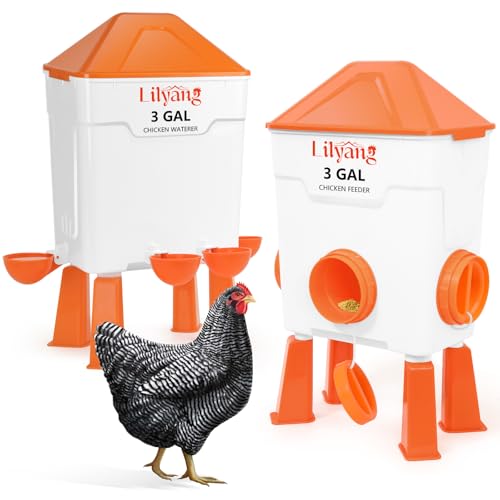
MAYKI Lilyang Chicken Feeder and Waterer Set 3 Gallon
A simple no-waste setup that keeps daily care quick and easy.

Manna Pro Manna Pro Layer Pellets, 16% Protein
A complete layer feed so feeding is as simple as filling a feeder.
Start With the Right Birds
Your first flock will go more smoothly if you choose calm, hardy, dependable breeds rather than rare or high-strung ones. Beginner-friendly favorites include Buff Orpingtons, Plymouth Rocks, Australorps, Rhode Island Reds, Sussex, and Wyandottes. These birds lay well, tolerate handling, adapt to a range of climates, and rarely cause drama. Aim for three to six hens, since chickens are social and three is the practical minimum, while four to six is a comfortable, manageable flock for a beginner. Skip roosters unless you want fertile eggs and your town allows them, because hens lay perfectly well without one.
Build a Safe, Roomy Home
Your coop does two jobs: shelter and protection. Plan for about 4 square feet of indoor space per bird and 8 to 10 square feet per bird in the run. Inside, provide roosting bars so birds can sleep up off the floor, and roughly one nesting box per three to four hens. Ventilation up high keeps the air dry without creating a draft at roost level. The single most important word here is security. Use half-inch hardware cloth rather than chicken wire, install latches a raccoon cannot open, and skirt or bury hardware cloth around the base to stop diggers. A roomy, predator-tight coop prevents the two problems that wreck first flocks: crowding and predation.
Feeding Made Simple
Feeding chickens is far easier than beginners fear, because complete commercial feeds do the work. The feed changes with age: chicks eat starter, juveniles eat grower, and at point of lay hens switch to a complete layer feed that supplies extra calcium for strong shells. Offer crushed oyster shell in a separate dish so laying hens can top up calcium as needed, and provide insoluble grit for any bird eating anything beyond plain crumble, since they need it to grind food in the gizzard. Keep fresh, clean water available at all times, using a cup or nipple waterer to stay sanitary. Treats are fine in moderation, but keep them to a small share of the diet so they do not unbalance the complete feed.
Backyard Chicken Keepers Planner
Track your chicken's health, meds, vet visits, mobility, nutrition, and quality of life, all in one printable planner.
Your Easy Daily Routine
Once everything is in place, the rhythm of chicken keeping is simple and even soothing. A typical day:
- Morning: Open the coop, refill food and water, and give the flock a quick look.
- Afternoon: Collect eggs, more often in hot weather.
- Evening: Make sure every bird is in and securely close the coop against predators.
- Weekly: Refresh bedding, scrub the waterer, and check birds for mites, lice, and foot problems.
The most valuable habit is simply watching your flock for a few minutes each day. Healthy chickens are active, curious, and contentedly noisy. Learning what normal looks like is your best early-warning system, because chickens instinctively hide illness.
Common Beginner Mistakes to Avoid
Almost every first-timer makes a few predictable errors. Knowing them in advance saves you grief:
- Overcrowding: The number-one mistake. Too little space causes pecking, feather picking, stress, and disease. Build bigger than you think you need.
- Weak predator-proofing: Using chicken wire instead of hardware cloth, or simple latches a raccoon can open, invites losses.
- Skipping grit and oyster shell: These cheap supplements prevent digestive trouble and thin shells.
- Too many treats: Treats should be a small share of the diet, not a substitute for complete feed.
- Adding a heat lamp in winter: Usually unnecessary and a real fire hazard. Dry, draft-free, ventilated housing matters more.
- Underestimating the commitment: Chickens need daily care for years, vacations included.
What to Expect in Your First Year
Your first year follows a satisfying arc. If you start with chicks, you will spend several weeks brooding them indoors with a heat plate before moving them to the coop once they are feathered. Around 18 to 22 weeks, your pullets reach point of lay, and the first eggs appear, often small or oddly shaped at first, which is completely normal. Through spring and summer, a healthy flock lays generously. As fall arrives, expect a dip during molt and as daylight shrinks, and through winter, production slows considerably. Adult chickens handle cold far better than heat, so a dry, well-ventilated coop and unfrozen water carry most flocks through winter without any supplemental heat.
You've Got This
Raising chickens comes down to a handful of fundamentals: choose calm, hardy birds, give them a safe and roomy home, feed a complete diet with grit and oyster shell, and check on them every day. Do those things and your flock will largely run itself, rewarding you with fresh eggs and daily entertainment. When something stumps you, a poultry-savvy vet or your local cooperative extension office is a great free resource. Start simple, stay observant, and enjoy the journey. Few hobbies give back as much for as little.
Pet Insurance · Sponsored
Have a Dog or Cat at Home Too? Protect Them From Surprise Vet Bills
Most backyard chicken keepers share their home with a dog or cat as well, and one emergency visit can run into the hundreds or thousands. Pet insurance can help cover surprise vet bills so a sudden cost does not force a hard choice. Get a free quote and see what coverage fits your household.
Frequently Asked Questions
What is the easiest way to start raising chickens?
The easiest path is to confirm your local rules, choose three to six calm, beginner-friendly hens, set up a roomy predator-proof coop and run before they arrive, and feed a complete commercial feed. Starting with started pullets rather than chicks skips the brooder stage and gets you to eggs sooner, which makes a first flock especially simple to manage.
What are the best chicken breeds for beginners?
Calm, hardy, dependable layers are ideal. Buff Orpingtons, Plymouth Rocks, Australorps, Rhode Island Reds, Sussex, and Wyandottes are all forgiving, friendly, and productive. These dual-purpose and reliable laying breeds tolerate handling, adapt to a range of climates, and rarely cause drama, which is exactly what a first-time keeper wants.
How much daily time do chickens take?
Once everything is set up, daily care takes only about ten to fifteen minutes: refilling food and water, collecting eggs, and a quick health check. Add a weekly coop cleaning and the occasional deeper clean. The main commitment is consistency, since the chores must happen every day, including weekends, holidays, and bad weather.
What do beginner chicken keepers get wrong most often?
The most common mistakes are overcrowding, weak predator-proofing, and underestimating how social and dependent chickens are. New keepers also sometimes use chicken wire instead of hardware cloth, skip grit and oyster shell, or feed too many treats. Build bigger than you think you need, secure everything against predators, and keep treats to a small share of the diet.
Do beginner chickens need a heat lamp in winter?
Usually not. Adult chickens tolerate cold far better than heat, and a dry, draft-free, well-ventilated coop is more important than added heat. Heat lamps are a serious fire risk and can make birds less cold-hardy. Cold-hardy breeds, dry bedding, and unfrozen water carry most flocks through winter without any supplemental heat.
When will beginner chickens start laying eggs?
Most hens reach point of lay around 18 to 22 weeks of age. Lighter laying breeds may start a little sooner and heavier breeds later. Day length matters too, so a pullet maturing in late fall might wait until spring to lay. The first eggs are often small or oddly shaped, which is completely normal and soon evens out.
How do I keep my chickens healthy as a beginner?
Provide clean water, complete feed, enough space, dry bedding, and good ventilation, then observe your flock daily to catch problems early. Watch for changes in appetite, droppings, energy, and appearance. Check regularly for mites, lice, and bumblefoot. For anything beyond minor issues, consult a poultry-savvy vet or your local cooperative extension office.
Need more help with your flock?
Browse our guides by topic to find practical solutions.
Wellness Planner: $39