Best Chicken Waterers for Backyard Flocks (2026)
The best chicken waterers compared: insulated founts, nipple buckets, cup systems, and heated winter waterers, chosen on cleanliness, capacity, and freeze protection.
Clean, fresh water is the most important thing you give your flock, more important than any feed decision. Chickens drink far more than they eat, water needs spike in heat, and a flock that runs dry stops laying within a day. The right waterer keeps water clean with minimal daily fuss and, in cold climates, keeps it from freezing. This guide compares the main waterer types and our top picks for every season.
Below are six well-reviewed waterers spanning insulated founts, nipple and cup systems, and heated winter options. Match the type and capacity to your flock size and climate.
Best Chicken Waterers Compared

Omlet Insulated Chicken Waterer, 3 Gallon
Blocks light for cleaner water, includes cups and nipples
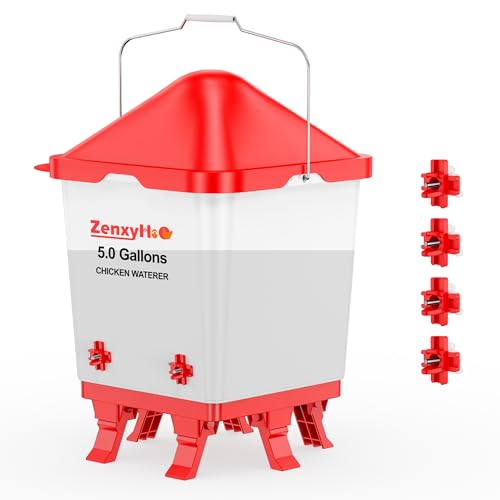
ZenxyHoC Bucket Nipple Waterer, 5 Gallon
Large reserve with horizontal nipples and anti-roost cone

Lilyang Heated Chicken Waterer, 3 Gallon
Thermostat-controlled heat to prevent winter freezing

Farm Innovators, Inc. Heated Poultry Waterer, 3 Gallon, 100W
Freeze-proof hanging fount for outdoor cold-climate coops

RRQKMBO Horizontal Nipple Kit, 15 Pack
Convert a bucket into a leakproof DIY nipple waterer

Premier 1 Supplies Bucket Nipple Waterer for Poultry
Quality nipple bucket waterer that keeps water clean
How We Chose These Waterers
We did not run a watering trial. We compared waterers on what actually matters for a healthy flock: how clean the design keeps the water, capacity relative to flock size, freeze resistance for winter, ease of refilling and cleaning, and durability outdoors. We read patterns across verified owner reviews to surface recurring praise and complaints, favoring closed nipple and cup systems for cleanliness and reliable heated options for cold climates. Clean water drives flock health, so cleanliness weighed heavily.
Waterer Types Compared
| Type | Cleanliness | Winter | Best for |
|---|---|---|---|
| Nipple bucket | Excellent | Needs heat | Clean water, large reserve |
| Cup waterer | Very good | Needs heat | Easy drinking, clean |
| Insulated fount | Good | Slows freezing | All-season, cleaner water |
| Heated fount | Good | Excellent | Cold climates |
| Open fount/bowl | Poor | Freezes | Budget, frequent cleaning |
Our Top Pick: Insulated Fount with Cups and Nipples
For year-round backyard use, an insulated waterer that comes with both cups and nipples is a versatile top choice. The insulation blocks light to slow algae and keeps water cooler in summer and slower to freeze in winter, while the included cups and nipples let you pick the drinking style your birds prefer. The Omlet model holds 3 gallons, enough for a small flock for a day or more, and the BPA-free build with an anti-roost lid keeps water clean. It is a clean, low-maintenance pick for most keepers.
Best Capacity: The Nipple Bucket
If you want the cleanest water and the longest reserve between refills, a 5-gallon nipple bucket is hard to beat. Horizontal side-mount nipples leak less than vertical ones, the large capacity means fewer trips in summer, and the closed bucket keeps water remarkably clean. An anti-roost cone stops birds from perching on top. New birds may need a quick demonstration to learn the nipples, but they pick it up fast. This is the workhorse choice for keepers prioritizing clean water and capacity.
Backyard Chicken Keepers Planner
Track your chicken's health, meds, vet visits, mobility, nutrition, and quality of life, all in one printable planner.
Best for Winter: Heated Waterers
In freezing climates, a heated waterer is essential, because birds will not eat well if they cannot drink and frozen water can mean a thirsty flock by midday. A thermostat-controlled heated fount keeps water liquid through cold nights, switching on only when needed to save power. Position it out of the wind and check it daily during cold snaps. If you lack power at the coop, the fallback is swapping in fresh unfrozen water several times a day, but a heated waterer makes winter far easier and safer.
Best Budget: DIY Nipple Kit
The cheapest route to a clean nipple waterer is a horizontal nipple kit. For a few dollars you get leakproof nipples you install into any food-safe bucket, creating a large-capacity clean waterer for a fraction of the cost of a finished unit. It takes a little assembly and a drill, but the result rivals purpose-built waterers. This is ideal for handy keepers, larger flocks, or anyone watering on a budget. Pair it with a heated base in winter to handle freezing.
Placement and Cleaning
Raise the waterer to about the height of the birds' backs to keep dirt, bedding, and droppings out and to discourage roosting on it. Position it in shade in summer and out of the wind in winter. Clean waterers at least weekly, more often in warm weather, by scrubbing with a brush and mild soap or a diluted vinegar solution, rinsing well, and refilling with fresh water. Closed nipple and cup systems stay cleaner and need less scrubbing. Refresh water daily and check it twice a day in heat.
Chicken Waterer Quick Links
- Insulated Waterer with Cups and Nipples - top pick
- Heated Chicken Waterer - best for winter
- Browse all chicken waterers on Amazon
The Bottom Line
Clean, ample water is non-negotiable, so choose a waterer that keeps water clean with little daily effort and handles your climate. An insulated cup-and-nipple fount suits most keepers year-round, a nipple bucket offers the cleanest water and biggest reserve, and a heated waterer is essential where it freezes. Raise it to back height, clean it regularly, and never let the flock run dry. Pair a good waterer with a no-waste feeder and the daily routine of feeding and watering becomes simple and reliable.
Pet Insurance · Sponsored
Have a Dog or Cat at Home Too? Protect Them From Surprise Vet Bills
Most backyard chicken keepers share their home with a dog or cat as well, and one emergency visit can run into the hundreds or thousands. Pet insurance can help cover surprise vet bills so a sudden cost does not force a hard choice. Get a free quote and see what coverage fits your household.
Frequently Asked Questions
What type of chicken waterer keeps water cleanest?
Closed nipple and cup waterers keep water cleanest because birds drink from a valve or small cup rather than an open dish they can foul with droppings, bedding, and dirt. Open founts and bowls get dirty fast and need frequent cleaning. Insulated or covered waterers also block light, which slows algae and keeps water fresher for longer. For the cleanest water with the least daily fuss, a nipple or cup waterer is the standard choice for backyard flocks.
How much water do chickens need?
Chickens drink far more than they eat, and a laying hen drinks roughly a pint to a quart of water a day, much more in heat. Water needs spike in hot weather and during heavy laying, since an egg is about 75 percent water. As a planning figure, provide at least a quart of capacity per bird per day and check it more than once in summer. Never let the flock run dry, as even a few hours without water cuts laying and stresses birds.
How do I keep chicken water from freezing in winter?
Use a heated waterer or a heated base plate that sits under a metal fount, both of which keep water liquid through freezing nights. Some keepers also use heated nipple waterers or simply swap in fresh unfrozen water several times a day if they lack power. Position the waterer out of the wind and check it daily in cold snaps. Birds will not eat well if they cannot drink, so reliable winter water is essential, not optional.
Are nipple waterers good for chickens?
Yes, nipple waterers are popular because they keep water very clean, reduce spills and bedding mess, and can hold a large reserve in a bucket. Birds learn to peck the nipple to release water, which most pick up quickly, though new birds may need a short demonstration. Horizontal side-mount nipples tend to leak less than vertical ones. The main caution is freezing in winter, so pair nipple waterers with a heat source in cold climates or switch to a heated fount.
How often should I clean a chicken waterer?
Clean waterers regularly, at least weekly and more often in warm weather or if they get dirty, since slime, algae, and droppings build up and can spread disease. Closed nipple and cup systems stay cleaner and need less frequent scrubbing than open founts. Empty the waterer, scrub it with a brush and mild soap or a diluted vinegar solution, rinse well, and refill with fresh water. Clean water is one of the most important things for flock health, so do not let this slide.
Should the waterer be raised off the ground?
Yes, raising the waterer to about the height of the birds' backs keeps water cleaner by reducing the dirt, bedding, and droppings that get kicked in, and it discourages birds from roosting on it. Hang it or set it on a stable platform or blocks. Nipple bucket waterers are often hung for this reason. Keeping water at back height means birds drink naturally without fouling the supply, which cuts your cleaning and keeps the flock healthier.
How big a waterer capacity do I need?
Plan on at least a quart of capacity per bird per day, then add a margin for hot weather and so you are not refilling constantly. A 3-gallon waterer comfortably serves a small flock for a day or more in mild weather, while a 5-gallon bucket nipple system gives a larger reserve. Bigger capacity means fewer refills but heavier lifting and a larger volume to keep from freezing in winter. Match capacity to your flock size and climate.
Need more help with your flock?
Browse our guides by topic to find practical solutions.
Wellness Planner: $39