Healthy Treats for Backyard Chickens
The healthiest treats for backyard chickens: mealworms, black soldier fly larvae, greens, and treat blocks, with the 10 percent rule and what to skip.
Treats are one of the joys of keeping chickens. Nothing builds trust like a handful of mealworms, and watching a flock chase a tossed melon rind is pure entertainment. But treats are exactly that, treats, and the golden rule is to keep them under about 10 percent of the daily diet. The other 90 percent should always be complete feed. Get the balance right and treats become healthy enrichment rather than a nutritional problem.
Below are some of the best treats for backyard flocks, led by high-protein options that support feathering and foraging. Always offer grit alongside treats so your birds can digest them.
Best Healthy Chicken Treats
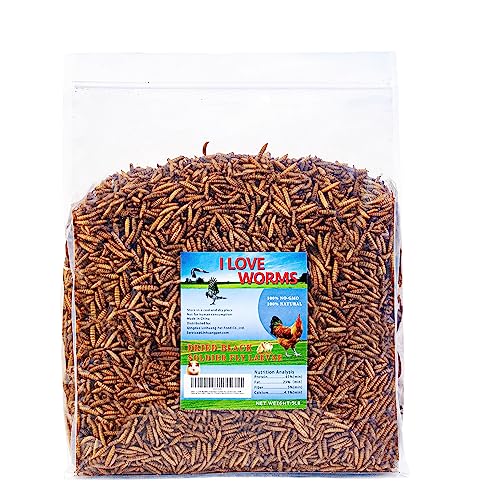
I LOVE WORMS Dried Black Soldier Fly Larvae
High-protein treat with more calcium than mealworms

Hatortempt Dried Mealworms, 5 lb Bag
Bulk high-protein mealworms chickens love, great for molt

Happy Hen Treats Mealworm and Sunflower Treats
Tasty mealworm and seed mix to reduce boredom and pecking

Kalmbach Feeds Summer Berry Treat Block, 20 lb
Long-lasting peck block for boredom relief in the run
The 10 Percent Rule
Everything about treats comes back to one number. Keep all treats, scratch, and scraps combined under 10 percent of what your flock eats in a day. For a standard hen that is about a tablespoon or two of extras. A practical version of the rule: offer only what the flock can finish in 10 to 15 minutes. When treats climb above this line, they dilute the protein, calcium, and vitamins in complete feed, and you start to see thinner shells, softer bodies, and slower laying.
Protein Treats: The Best of the Bunch
High-protein treats top the list because they support the things chickens spend protein on: feathers, eggs, and muscle. Dried mealworms and black soldier fly larvae are flock favorites and genuinely useful, especially during molt. Black soldier fly larvae have a nutritional edge because they bring calcium along with protein, which matters for laying hens. Scrambled or hard-boiled eggs are another excellent, if slightly surprising, protein treat that birds devour. Used within the 10 percent allowance, protein treats are hard to beat.
Vegetables, Fruit, and Greens
Wholesome produce makes great low-calorie treats. Leafy greens like kale, chard, and lettuce, plus cucumber, squash, pumpkin, melon, and berries, are all welcomed and good for the flock. Hanging a cabbage or half a squash gives birds something to peck at for hours, which doubles as boredom relief. Pumpkin and squash are seasonal favorites in fall. Wash produce, skip anything moldy, and avoid the few toxic items covered in our what chickens can and cannot eat guide.
Treats to Skip or Limit
| Treat | Verdict |
|---|---|
| Mealworms, BSF larvae | Excellent, in moderation |
| Leafy greens, squash, berries | Great, low-calorie |
| Scratch grains, cracked corn | Energy treat, limit it |
| Bread, pasta, crackers | Occasional only, low nutrition |
| Salty, sugary, greasy foods | Avoid |
| Moldy or rotten anything | Never |
Scratch grains deserve special mention. Birds love scratch, but it is essentially candy: warming and energy-rich but nutritionally thin. Treat it as an occasional snack, especially useful on cold evenings. Our scratch grains guide explains when it helps and when it hurts.
Backyard Chicken Keepers Planner
Track your chicken's health, meds, vet visits, mobility, nutrition, and quality of life, all in one printable planner.
Treats During Molt
When hens molt, they stop laying and divert resources to regrowing feathers, which are roughly 85 percent protein. This is the one time to lean a little harder on protein treats. Mealworms, black soldier fly larvae, and scrambled eggs all help, and many keepers temporarily switch the flock to a higher-protein all-flock feed during heavy molt. Keep carb-heavy scratch to a minimum and make sure water is always available. A little extra protein gets birds through molt faster and more comfortably.
Boredom Busters and Treat Blocks
In winter or in a confined run, bored chickens can turn to feather picking and other bad habits. Treat blocks, hanging vegetables, and scattered scratch all give birds something to do. A poultry treat block lasts a long time and keeps the flock occupied, but it still counts toward the 10 percent allowance, so do not let it crowd out complete feed. Watch that lower-ranking birds also get access, since the pecking order can monopolize a single block.
Chicken Treat Quick Links
- Black Soldier Fly Larvae - protein plus calcium
- Dried Mealworms 5 lb - molt-season favorite
- Browse all chicken treats on Amazon
The Bottom Line
Healthy treats are about quality and restraint. Favor high-protein mealworms and larvae and wholesome greens and produce, keep everything under 10 percent of the diet, always offer grit, and lean on protein during molt. Skip the salty, sugary, and moldy stuff entirely. Treats are a tool for trust, enrichment, and a little fun, not a meal plan. Keep complete feed as the foundation and your flock gets the best of both: balanced nutrition and the daily joy of a well-earned snack.
Pet Insurance · Sponsored
Have a Dog or Cat at Home Too? Protect Them From Surprise Vet Bills
Most backyard chicken keepers share their home with a dog or cat as well, and one emergency visit can run into the hundreds or thousands. Pet insurance can help cover surprise vet bills so a sudden cost does not force a hard choice. Get a free quote and see what coverage fits your household.
Frequently Asked Questions
How many treats can chickens have per day?
Treats should make up no more than about 10 percent of a chicken's daily diet, which for a standard hen is roughly a tablespoon or two of extras. The other 90 percent should be complete feed. A useful rule of thumb is that whatever treats your flock can clean up in 10 to 15 minutes is plenty. Overdoing treats dilutes the balanced nutrition hens need and can lead to thin shells, weight problems, and reduced laying over time.
What are the healthiest treats for chickens?
The best treats are high-protein and low-junk: dried mealworms and black soldier fly larvae, leafy greens like kale and chard, cucumber, squash, pumpkin, berries, and cooked plain grains. Black soldier fly larvae are especially good because they add calcium along with protein. These treats support feather growth, molting, and natural foraging behavior without the empty calories of scratch or bread. Always pair treats with grit so birds can digest them properly.
Are mealworms good for chickens?
Yes, dried mealworms and black soldier fly larvae are excellent high-protein treats that chickens love. They are especially helpful during molt, when birds need extra protein to regrow feathers, and for coaxing a flock into a coop or building trust. Use them in moderation as part of the 10 percent treat allowance, since they are rich and birds will gorge on them. Black soldier fly larvae have the edge nutritionally because they also supply calcium.
Can chickens eat bread and table scraps as treats?
Small amounts of plain bread or wholesome table scraps are fine occasionally, but bread is low in nutrition and easy to overdo, so it should be a rare treat at most. Better choices are vegetables, fruit, and protein treats. Avoid anything moldy, very salty, sugary, or greasy. See our table scraps guide for a full list of safe and unsafe kitchen foods. Treat scraps as part of the 10 percent allowance, not a feeding strategy.
Do chickens need grit to eat treats?
Yes. Any treat beyond fine feed, including mealworms, greens, fruit, and grains, must be ground up in the gizzard, and that requires insoluble grit. Birds that free-range pick up some grit naturally, but confined flocks need it offered free choice. Without grit, treats can cause crop and digestive problems. Always keep grit available when feeding treats, and use chick-sized grit for young birds. It is cheap insurance for healthy digestion.
What treats help chickens during a molt?
Molting hens stop laying and pour their energy into regrowing feathers, which are about 85 percent protein, so high-protein treats help. Dried mealworms, black soldier fly larvae, scrambled eggs, and a temporary switch to a higher-protein all-flock feed all support feather regrowth. Keep treats within reason and make protein the focus rather than carb-heavy scratch. Plenty of fresh water and a low-stress environment also help birds get through molt comfortably.
Are treat blocks and flock blocks a good idea?
Treat blocks and flock blocks can be useful for boredom relief, especially in winter or in a confined run, since pecking at a block keeps birds busy and reduces feather picking. They count toward the treat allowance, though, so do not let a block replace meals of complete feed. Choose blocks made for poultry rather than wild bird suet, and watch that lower-ranking birds also get a turn. Used in moderation, a block is good enrichment.
Need more help with your flock?
Browse our guides by topic to find practical solutions.
Wellness Planner: $39