Table Scraps for Chickens: What's Safe to Feed
A practical guide to feeding table scraps to backyard chickens: which kitchen leftovers are safe, which to avoid, the 10 percent rule, and why grit matters for scraps.
Feeding table scraps to chickens is one of the small joys of backyard keeping. It turns kitchen waste into eggs, gives the flock variety and entertainment, and feels wonderfully thrifty. Done right, scraps are a healthy bonus. Done carelessly, they can dilute the diet or even harm the flock. This guide covers exactly which leftovers are safe, which to skip, and how to feed scraps without throwing off your birds' nutrition.
As always, scraps live inside the 10 percent treat allowance, with complete feed forming the real diet. Below are a few items that help round out a safe scrap-and-treat routine, including the grit birds need to digest leftovers.
Scrap-Feeding Helpers
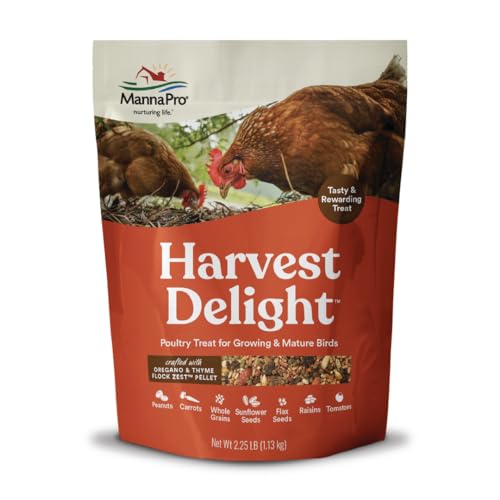
Manna Pro Harvest Delight Poultry Treat
Whole grain, seed, fruit, and vegetable mix for variety

Manna Pro Chicken Grit with Probiotics
Insoluble grit so the flock can digest scraps and leftovers

Hatortempt Dried Mealworms, 5 lb Bag
High-protein treat to balance carb-heavy kitchen scraps

Manna Pro Layer Pellets, 16% Protein
Complete feed that should always be the bulk of the diet
Safe Table Scraps Chickens Love
Plenty of kitchen leftovers make great chicken treats. Cooked vegetables, vegetable peels and trimmings, leafy greens, plain cooked rice and pasta, oatmeal, cooked plain potato, fruit like berries, melon, and apple without seeds, and small amounts of cooked plain meat are all welcomed. Stale bread is fine in tiny amounts, though it is low in nutrition. The best scraps are fresh, wholesome, and not heavily salted, sugared, or fried. Chickens will happily clean up the odds and ends of most home-cooked meals.
Scraps to Avoid
| Avoid | Reason |
|---|---|
| Moldy or rotten food | Mold toxins are dangerous |
| Avocado, raw beans | Toxic to chickens |
| Green potato, nightshade foliage | Solanine |
| Rhubarb leaves | Oxalic acid |
| Chocolate, caffeine, alcohol | Toxic |
| Very salty, sugary, greasy food | Disrupts health |
| Large amounts of onion | Can cause anemia |
The biggest day-to-day caution is mold. Do not treat the run as a compost bin for spoiled produce, since mold toxins sicken and can kill birds. For the full toxic rundown, see our what chickens can and cannot eat guide.
The 10 Percent Rule Applies to Scraps Too
Scraps count toward the same 10 percent treat allowance as scratch and other treats. That means scraps are a snack, not a meal. The practical version: offer only what the flock can clean up in 10 to 15 minutes, then remove the rest before it rots or draws rodents. Overfeeding scraps dilutes the balanced protein and calcium in complete feed, which shows up as thinner shells and slower laying. Keep complete feed as the foundation and scraps as the bonus on top.
Backyard Chicken Keepers Planner
Track your chicken's health, meds, vet visits, mobility, nutrition, and quality of life, all in one printable planner.
Why Grit Matters for Scraps
Every scrap beyond fine feed must be ground in the gizzard, which requires insoluble grit. Free-ranging birds pick up some naturally, but confined flocks fed scraps need grit offered free choice. Without it, scraps can lead to an impacted crop and digestive trouble. Keep a dish of grit available whenever you feed scraps, and use chick-sized grit for young birds. Our grit and oyster shell guide explains why this matters and how to offer it.
Scraps, Eggs, and Realistic Expectations
It is tempting to think rich scraps will boost egg production, but laying depends on complete layer feed and free-choice oyster shell, not leftovers. Wholesome scraps add variety and a little nutrition, and protein-rich or green scraps may help modestly, but too many low-value scraps actually hurt production by diluting the diet. Balance carb-heavy scraps like rice and bread with protein treats such as mealworms, and lean on good feed and calcium for the eggs themselves. See our layer feed guide for the production basics.
Feed or Compost?
You do not have to choose. Feed the flock the fresh, safe scraps within the 10 percent limit, and compost everything else, including moldy, toxic, or very salty items chickens should not have. Many keepers let birds work a compost pile too, where they turn it over and pick out bugs and bits, doing some of the composting labor for you. This split keeps the flock safe while still cutting kitchen waste, the best of both worlds.
Scrap-Feeding Quick Links
- Chicken Grit - to digest scraps
- Dried Mealworms - balance carb-heavy scraps
- Browse chicken treats on Amazon
The Bottom Line
Table scraps turn kitchen waste into a fun, healthy bonus for your flock, as long as you follow a few rules: offer only fresh, wholesome leftovers, skip the toxic and moldy items, keep scraps under 10 percent of the diet, and always provide grit. Lean on complete feed and oyster shell for the real nutrition and eggs, and compost whatever the flock should not eat. Feed scraps thoughtfully and everyone wins: less waste, busier birds, and a steady egg basket.
Pet Insurance · Sponsored
Have a Dog or Cat at Home Too? Protect Them From Surprise Vet Bills
Most backyard chicken keepers share their home with a dog or cat as well, and one emergency visit can run into the hundreds or thousands. Pet insurance can help cover surprise vet bills so a sudden cost does not force a hard choice. Get a free quote and see what coverage fits your household.
Frequently Asked Questions
Can chickens eat table scraps?
Yes, chickens can eat many table scraps, and it is a satisfying way to reduce kitchen waste. Wholesome leftovers like cooked vegetables, plain rice and pasta, fruit, oats, and small amounts of cooked meat are all welcomed. The key rules are to keep scraps fresh and not moldy, avoid the toxic foods, and keep all scraps and treats combined under 10 percent of the daily diet. Complete feed should always make up the bulk of what your flock eats, with scraps as a bonus.
What table scraps are bad for chickens?
Avoid anything moldy or rotten, very salty, sugary, or greasy foods, and the genuinely toxic items: avocado, raw or dried beans, green or sprouting potatoes, green tomato and other nightshade foliage, rhubarb leaves, chocolate, caffeine, and alcohol. Large amounts of onion can cause anemia. Heavily processed, fried, or seasoned leftovers are also poor choices. When a scrap is questionable, leave it out. A healthy flock on complete feed loses nothing by skipping a doubtful leftover.
How much table scraps can chickens have?
Keep table scraps within the overall 10 percent treat allowance, alongside scratch and other treats. A practical rule is to offer only what the flock can clean up in 10 to 15 minutes, then remove the rest so it does not rot or attract rodents. Overfeeding scraps dilutes the balanced nutrition in complete feed, which can lead to thin shells and reduced laying. Think of scraps as a daily snack, not a meal, and let complete feed do the heavy lifting.
Do chickens need grit to eat table scraps?
Yes. Table scraps, like all foods beyond fine feed, must be ground up in the gizzard, which requires insoluble grit. Free-ranging birds pick up some grit naturally, but confined flocks fed scraps must have grit available free choice. Without grit, scraps can cause an impacted crop and digestive problems. Always keep a dish of grit out when feeding scraps, and use chick-sized grit for young birds. It is cheap insurance for healthy digestion.
Can chickens eat moldy or spoiled food?
Never feed moldy or spoiled food to chickens. Mold produces toxins that can cause serious illness and death in birds, and chickens are quite sensitive to them. Do not treat the run as a compost bin for rotten produce. If a scrap has gone off, throw it in the compost or trash, not to the flock. Offer only fresh, wholesome leftovers, and remove any uneaten scraps before they spoil, especially in warm weather when food turns quickly.
Are table scraps good for egg production?
Wholesome scraps can add variety and some nutrition, and protein-rich or green scraps may modestly support laying, but scraps are not a reliable way to boost egg production. Steady laying depends on complete layer feed with its balanced protein and calcium, plus free-choice oyster shell. If anything, too many low-value scraps can hurt production by diluting the diet. Use scraps for enrichment and waste reduction, and rely on good feed and calcium for the eggs themselves.
Should I just compost scraps instead of feeding them?
Both are good options, and many keepers do both. Feeding wholesome scraps gives birds enrichment and turns waste into eggs, while composting handles the scraps chickens should not eat, like moldy, toxic, or very salty items. A nice middle path is to feed the flock the safe, fresh scraps within the 10 percent limit and compost the rest. Chickens will also help turn and process a compost pile if they have access, eating bugs and bits along the way.
Need more help with your flock?
Browse our guides by topic to find practical solutions.
Wellness Planner: $39