Can Chickens Eat Corn? Treat or Staple?
Yes, chickens can eat corn in moderation. Learn the difference between treat and feed, cracked vs cob vs sweet corn, winter warmth, and how much is too much.
Yes, chickens can eat corn in moderation, and most flocks love it. Sweet corn, corn on the cob, and cracked corn are all safe, but corn is an energy-rich treat rather than a complete feed, so the key is keeping it modest. Too much corn means weight gain and diluted nutrition. Used wisely, it is a great winter warmer and a reliable flock favorite.
Here are a few treats and enrichment options that pair well with grains, including high-protein picks to balance corn's heavy carbohydrate load.
Treats and Enrichment for Your Flock
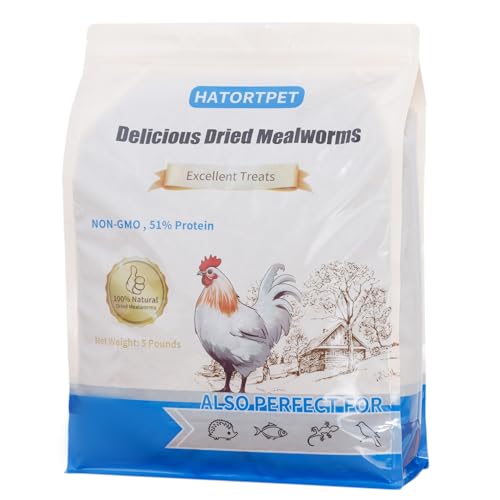
hatortpet Dried Mealworms, 5 lb
Protein-rich treat for feathering and laying support

Manna Pro Mealworm Medley Cake, 19.5 oz
Mealworm and seed peck cake for boredom relief in the run
Treat, Not Staple: The Key Distinction
The most important thing to understand about corn is that it is a treat, not a balanced feed. Corn is high in carbohydrate and energy but low in protein and short on the calcium, vitamins, and minerals that laying hens need. Scratch grains, which are heavy on cracked corn, fall into the same category. Birds will happily fill up on corn if you let them, which is exactly the problem: a corn-heavy diet leads to overweight hens, weaker shells, and reduced laying because the complete ration gets pushed aside.
Keep corn inside the 10 percent treat allowance and let complete feed do the heavy lifting, and corn becomes a wholesome bonus rather than a nutritional liability.
Forms of Corn and How to Feed Them
Corn comes in several flock-friendly forms. Sweet corn, raw or plain cooked, is a juicy favorite. Corn on the cob is brilliant enrichment, since a leftover cob keeps birds pecking for ages. Cracked corn and scratch are convenient energy treats, especially in cold weather. Frozen corn works thawed, or offered frozen as a summer cooler. Canned corn is best skipped or well rinsed because of added salt.
- Sweet corn: raw or plain cooked, no butter or salt.
- Corn on the cob: great long-lasting enrichment.
- Cracked corn and scratch: energy treats, use sparingly.
- Frozen corn: thaw it, or offer frozen to cool the flock in heat.
- Always keep grit available so birds can grind whole kernels.
Corn in Winter
Corn earns extra credit in cold weather. Digesting carbohydrate-rich foods generates body heat, so a small handful of cracked corn or scratch fed in the evening helps birds stay warmer through a long, cold night. It is a time-honored keeper's trick. Just remember it is a supplement to good winter care, not a replacement for a dry, draft-free coop and complete feed. Scale corn up a little in winter and back down in summer, when extra calories are not needed.
| Corn Form | Verdict |
|---|---|
| Sweet corn, raw or plain cooked | Yes, in moderation |
| Corn on the cob | Yes, great enrichment |
| Cracked corn and scratch | Energy treat, limit it |
| Canned corn | Avoid or rinse, salty |
Risks and Cautions
The main risk with corn is simply overfeeding. Too much leads to weight gain and lower laying, so portion control is everything. Avoid salty canned corn, never feed moldy corn or cobs, and always offer grit so the gizzard can grind whole kernels. Remove bare cobs and uneaten corn before they rot. Treat corn as the carb-rich snack it is, and it stays a happy part of the diet rather than a problem.
For more on grains and balance, see our guides on scratch grains for chickens and healthy chicken treats.
The Bottom Line
Corn is a safe, much-loved treat that doubles as a handy winter warmer, as long as you remember it is a treat and not a feed. Offer sweet corn, cobs, or a little cracked corn within the 10 percent rule, lean on it more in cold weather, skip salty canned corn and moldy kernels, and keep grit available. Do that and corn brings variety, enrichment, and a cozy cold-night boost without throwing off your flock's balanced diet.
Frequently Asked Questions
Can chickens eat corn on the cob?
Yes, chickens love pecking corn off the cob, and a leftover cob keeps a flock busy for a long time. You can offer raw or cooked sweet corn on the cob, just make sure cooked corn is plain with no butter, salt, or seasoning. Set the cob in the run and let birds work the kernels off. Remove the bare cob afterward so it does not rot, and keep grit available for digestion.
Is cracked corn good for chickens?
Cracked corn is a popular treat and energy source, but it is not a complete feed. It is high in carbohydrate and low in the protein, calcium, and vitamins hens need, so it works best as a small treat rather than a meal. Many keepers use a little cracked corn as a winter evening snack because digesting it generates body heat overnight. Keep it within the 10 percent treat allowance.
Can chickens eat raw or frozen corn?
Yes, chickens can eat raw fresh corn, and frozen corn is fine once thawed, or even offered frozen as a cooling summer treat. Canned corn is best avoided because it is often high in added salt, but if you use it, rinse it well first. Plain cooked, raw, or thawed frozen corn are all safe. As with any treat, offer it in moderation and make sure grit is available.
Does corn make chickens fat?
It can if overfed. Corn is energy-dense and carbohydrate-heavy, so feeding too much, especially cracked corn or scratch, leads to weight gain and can reduce laying over time. Think of corn as a treat or a cold-weather energy boost rather than a daily ration. Keep it inside the 10 percent rule, lean on it more in winter and less in summer, and keep complete feed as the dietary foundation.
Is corn warming for chickens in winter?
Somewhat, yes. Digesting carbohydrate-rich foods like corn produces metabolic heat, so a small handful of scratch or cracked corn fed in the evening can help birds stay a little warmer through a cold night. It is a useful winter trick, but it is no substitute for a dry, draft-free coop and complete feed. Keep portions modest so corn does not crowd out the balanced nutrition hens still need year round.
Can chicks eat corn?
Whole or cracked corn is too large and too low in protein for young chicks, so keep them on complete starter feed. Once chicks are several weeks old, you can offer finely chopped cooked corn or a small amount of finely cracked corn as an occasional treat, always alongside chick grit so they can grind it. Until then, the concentrated protein in starter feed is what growing chicks need most.
Need more help with your flock?
Browse our guides by topic to find practical solutions.
Keeper's Planner: $39