Can Chickens Eat Spinach? The Oxalic Acid Catch
Yes, chickens can eat spinach in moderation, but its oxalic acid can affect calcium absorption. Learn how much is safe, the eggshell concern, and how to feed it right.
Yes, chickens can eat spinach in moderation. It is rich in iron and vitamins, but spinach contains oxalic acid, which can bind calcium and interfere with absorption, so it should be an occasional treat rather than a daily green. Fed sparingly alongside complete feed and free-choice oyster shell, spinach is a nutritious addition. Fed heavily, it can work against the calcium hens need for strong shells.
Here are a few feeders and treats that make serving greens easy while keeping the diet balanced.
Treats and Feeders for Greens

RRQKMBO Hanging Vegetable Treat Holder
Hang greens so the flock pecks and forages without waste
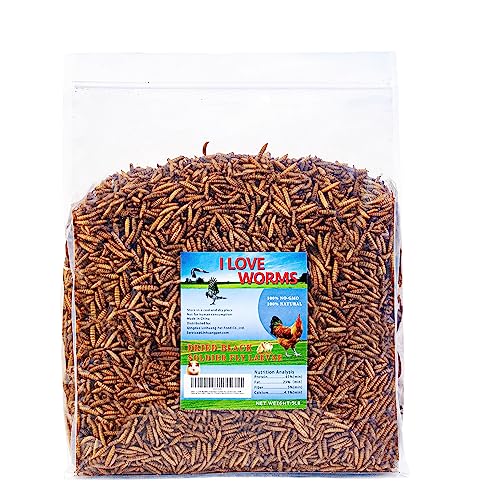
I LOVE WORMS Dried Black Soldier Fly Larvae
Protein plus calcium to support strong eggshells
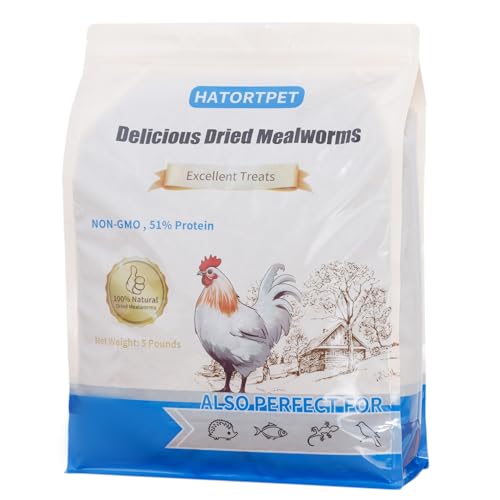
hatortpet Dried Mealworms, 5 lb
High-protein treat to round out a green-heavy treat day
The Oxalic Acid Catch
Spinach stands apart from most leafy greens because of its oxalic acid, also called oxalates. This natural compound binds with calcium and can reduce how much a chicken actually absorbs. For laying hens, calcium is non-negotiable: it is the raw material of every eggshell. Feed spinach occasionally and the effect is negligible. Feed it heavily or daily and, over time, you could see thinner or weaker shells as calcium availability drops. This is not a reason to avoid spinach entirely, just a reason to treat it as a rotation green rather than a staple.
Light cooking reduces some of the oxalic acid, so plain cooked spinach is a slightly gentler option than raw if you want to offer it a bit more often.
Nutrition and Benefits
Set the oxalates aside and spinach is genuinely nutritious. It is loaded with iron, vitamins A, C, and K, folate, and antioxidants. Vitamin K supports blood clotting, vitamin A aids vision and immune function, and the iron and folate contribute to overall health. These are real benefits, which is exactly why spinach earns a place in the treat rotation despite needing moderation. The trick is balance: enjoy what spinach offers without letting it dominate the greens you feed.
How to Feed Spinach
Wash spinach well, then offer a small handful of raw leaves or a bit of plain cooked spinach. Hanging a bunch lets birds peck at it for enrichment and keeps it off the ground. The most important habit is rotation: alternate spinach with lower-oxalate greens like kale, lettuce, and chard so no single green is fed too often. Keep oyster shell available free choice so laying hens can top up their calcium as needed.
- Wash thoroughly before feeding.
- Offer a small handful occasionally, not daily.
- Plain cooked spinach has less oxalic acid than raw.
- Rotate with kale, lettuce, and chard.
- Provide free-choice oyster shell and grit.
How Much Spinach Is Safe
Spinach belongs inside the 10 percent treat rule and, because of the oxalates, at the lower end of how often you offer greens. A small handful shared among the flock once or twice a week is sensible. The other 90 percent of the diet should be complete feed, with oyster shell available so hens can self-regulate calcium. Watching shell quality is a good real-world check: consistently strong shells mean your balance is right.
| Spinach Form | Verdict |
|---|---|
| Raw spinach, occasional | Yes, in moderation |
| Plain cooked spinach | Yes, lower oxalates |
| Daily or heavy feeding | Avoid, affects calcium |
| Seasoned or salted spinach | No |
Risks and Cautions
The headline risk is the calcium interference from oxalic acid, managed by keeping spinach occasional and offering oyster shell. Beyond that, never feed seasoned, salted, or buttered spinach, and skip anything slimy or spoiled. Provide grit so the gizzard can handle the fibrous leaves. As always, greens supplement the diet but never replace complete feed, which supplies the steady protein and calcium your flock depends on.
For more on calcium and greens, see our guides on grit and oyster shell and healthy chicken treats.
The Bottom Line
Spinach is a nutritious leafy green that chickens can enjoy in moderation, with its oxalic acid being the one real catch. Feed it occasionally rather than daily, rotate it with lower-oxalate greens, offer plain cooked spinach if you want it a bit more often, and keep oyster shell available for laying hens. Balanced this way, spinach adds iron, vitamins, and variety without undermining the calcium that keeps eggshells strong.
Frequently Asked Questions
Is spinach bad for chickens?
Spinach is not bad in small amounts, but it contains oxalic acid, which can bind calcium and interfere with its absorption. Since laying hens need plenty of calcium for strong eggshells, large or daily servings of spinach are best avoided. Fed occasionally as part of a varied diet, spinach is a nutritious leafy green. The trouble only comes from making it a frequent staple, which is true of any high-oxalate green.
How much spinach can chickens eat?
Keep spinach to an occasional treat, a small handful shared among the flock once or twice a week, well within the 10 percent treat rule. The oxalic acid it contains is the reason for restraint, since too much can affect calcium absorption and eggshell quality over time. Rotate spinach with lower-oxalate greens like kale, lettuce, and chard so no single green dominates, and always keep complete feed as the foundation.
Does spinach affect eggshells?
It can if fed in excess. The oxalic acid in spinach binds calcium and can reduce how much a hen absorbs, and calcium is exactly what she needs for strong shells. A little spinach now and then has minimal effect, but heavy, frequent feeding could contribute to thinner or weaker shells. Offering oyster shell free choice and keeping spinach occasional are the simplest ways to protect shell quality while still enjoying the green's benefits.
Can chickens eat cooked spinach?
Yes, chickens can eat plain cooked spinach, and light cooking actually reduces some of the oxalic acid content. Just make sure it is unseasoned, with no salt, butter, garlic, or onion. Cooked spinach is softer and easier for birds to eat, which can be handy for older hens. Whether raw or cooked, the same moderation rule applies because of the oxalates, so keep it an occasional treat rather than a daily one.
Is spinach nutritious for chickens?
Yes, spinach is rich in iron, vitamins A, C, and K, folate, and antioxidants, which support immune health, vision, and blood clotting. Those benefits are real, which is why spinach is fine in moderation despite its oxalic acid. The key is balance: enjoy spinach as one green among several rather than the only leafy treat. Offered occasionally alongside complete feed and free-choice oyster shell, it is a healthy addition to the diet.
Can chicks eat spinach?
Young chicks should stay on complete starter feed, which provides the protein they need to grow. Older chicks can have a small taste of finely chopped spinach occasionally, but the same oxalic acid caution applies, so keep it rare. Always provide chick grit so they can digest the fibrous leaves. For the first weeks of life, it is safest to skip treats entirely and let starter feed do its job.
Need more help with your flock?
Browse our guides by topic to find practical solutions.
Keeper's Planner: $39