Can Chickens Eat Apples? Seeds, Skin, and Safety
Yes, chickens can eat apples in moderation. Learn why to remove the seeds, whether skin is safe, how much to feed, and the best way to serve apples to your flock.
Yes, chickens can eat apples in moderation. The flesh and washed skin are safe and nutritious, but remove the core and seeds first, since apple seeds contain amygdalin, a compound that releases small amounts of cyanide. With the seeds out of the picture, apples become a crunchy, fiber-rich treat that flocks enjoy year round.
Below are a few treats and tools that work well with fruit feeding, including high-protein options that keep the overall diet balanced.
Treats That Pair Well With Fruit
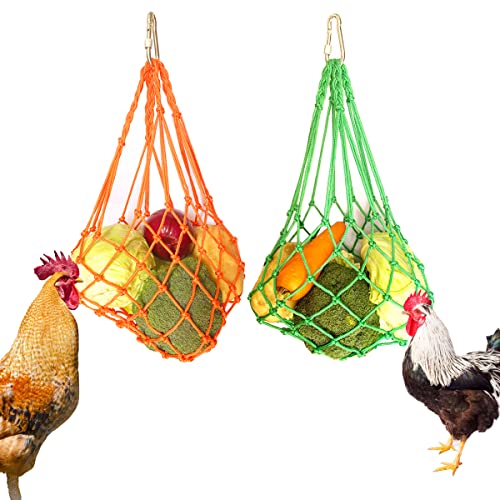
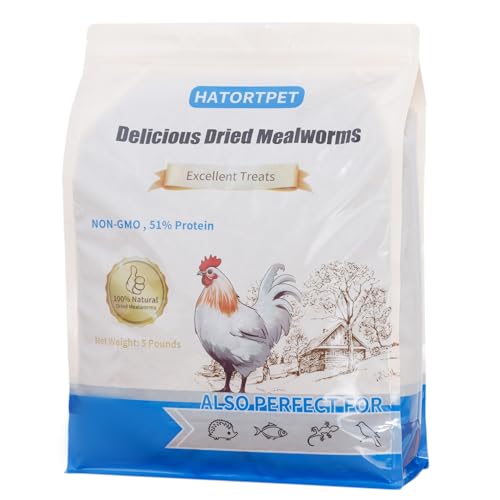
hatortpet Dried Mealworms, 5 lb
High-protein treat to balance out sweet fruit
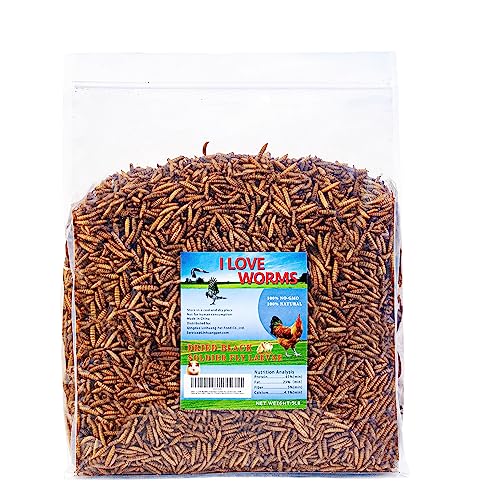
I LOVE WORMS Dried Black Soldier Fly Larvae
Protein plus calcium for strong shells alongside treats
The Seed Question, Settled
The one real caution with apples is the seeds. Apple pips contain amygdalin, which can release cyanide when the seeds are chewed or crushed. The amount in a few seeds is very small, and a hen that swallows the occasional whole pip is in no danger, since many pass through undigested. The problem would only arise with a large quantity of crushed seeds. Because there is no upside to taking the chance, the simple habit is to core apples and toss the seeds before feeding. Everything else about the apple is safe.
Nutrition and Benefits
Apples bring vitamin C, potassium, fiber, and antioxidants to the table. The fiber and moisture support healthy digestion, while the antioxidants help with general immune health. The skin holds a good share of those nutrients, which is why washing rather than peeling is the better approach for commercial apples. Beyond nutrition, apples offer excellent enrichment: a whole cored apple hung in the run keeps a flock busy and pecking for hours, which helps curb boredom and feather picking in a confined run.
How to Feed Apples
Wash the apple well to remove wax and residue, cut out the core and seeds, then chop the fruit into bite-sized pieces. Grating is a nice option for older hens or when you want the apple gone quickly. For enrichment, core a whole apple and hang it so birds have to work for it. Plain cooked apple or unsweetened applesauce is fine for birds that prefer softer food, but skip anything sugared or spiced.
- Wash to remove wax and pesticide residue.
- Remove the core and all seeds.
- Chop or grate raw, or offer plain cooked apple.
- Hang a whole cored apple for enrichment.
- Keep grit available so birds can digest skin and flesh.
How Much Apple Is Right
Apples sit inside the 10 percent treat rule with all other extras. A few chopped pieces per bird, a couple of times a week, is the right scale, with complete feed making up the other 90 percent. Apples carry natural sugar, so overfeeding can loosen droppings and tempt birds away from their balanced ration. As always, offer only what the flock cleans up in 10 to 15 minutes and remove anything left behind.
| Apple Part | Verdict |
|---|---|
| Flesh | Yes, in moderation |
| Washed skin | Yes |
| Core | Remove it |
| Seeds | No, contain amygdalin |
Risks and Cautions
With the seeds removed, apples are low-risk. Watch sugar through portion control, wash off any wax or residue, and never feed moldy or rotting fruit, which can carry harmful toxins. Always offer grit so the gizzard can grind the skin and flesh, and remember that fruit is a supplement. Complete feed has to stay the foundation so your hens get the protein and calcium they need for steady laying and strong shells.
For more on safe and unsafe foods, see our guides on what chickens can and cannot eat and healthy chicken treats.
The Bottom Line
Apples are a safe, nutritious, and enriching treat for backyard chickens once you remove the core and seeds. Wash the fruit, feed the flesh and skin chopped or hung whole, keep portions within the 10 percent rule, and provide grit. Handled this way, apples deliver fiber, vitamins, and hours of happy pecking, making them a reliable favorite in any flock's treat rotation.
Frequently Asked Questions
Are apple seeds poisonous to chickens?
Apple seeds contain amygdalin, which releases small amounts of cyanide when crushed, so they are best removed. A chicken that swallows the odd seed from a chopped apple is very unlikely to be harmed, since the amount is tiny and many seeds pass through whole. The real caution is feeding large quantities of crushed seeds. To be safe, core apples and discard the seeds before offering the fruit to your flock.
Can chickens eat apple skin?
Yes, apple skin is safe and nutritious for chickens, holding much of the fruit's fiber and antioxidants. The main thing is to wash apples well first, since commercial apples often carry waxes and pesticide residue on the skin. There is no need to peel apples for your flock. Just chop the washed fruit into manageable pieces so birds can peck the skin and flesh without struggling.
Should apples be cooked or raw for chickens?
Raw apple is perfectly fine and the most common way to feed it, chopped or grated so birds can manage it. Cooked or baked apple, like plain unsweetened applesauce or soft cooked pieces, is also safe and easy for older birds to eat. Avoid anything with added sugar, caramel, or spices. Raw is simplest and retains the most nutrition, while cooked is a gentle option for hens that struggle with firm fruit.
How much apple can a chicken eat?
Apples count toward the 10 percent treat allowance, so a few chopped pieces per bird, a couple of times a week, is plenty. Apples carry natural sugar, and overfeeding can cause loose droppings and reduce appetite for complete feed. A practical guide is to offer only what the flock finishes in 10 to 15 minutes. The balanced ration should always make up the other 90 percent of the diet.
Do apples offer health benefits to chickens?
Yes, apples supply vitamin C, fiber, potassium, and antioxidants that support digestion and immune health. The fiber and natural moisture can help keep the gut moving, and the crunchy texture provides good enrichment, especially if you hang a whole cored apple for the flock to peck. As an occasional treat within the 10 percent rule, apples are a wholesome, well-loved fruit that adds variety to your flock's diet.
Can chicks eat apples?
Hold off until chicks are several weeks old. Young chicks need the concentrated protein of starter feed far more than fruit, and treats can fill them up and cause digestive upset. If you offer older chicks a taste, grate or finely chop the apple, remove all seeds, and provide chick grit so they can grind it. For the first few weeks, keep chicks on complete starter feed and skip treats.
Need more help with your flock?
Browse our guides by topic to find practical solutions.
Keeper's Planner: $39