Can Chickens Eat Bananas? Benefits and Limits
Yes, chickens can eat bananas in moderation. Learn the nutrition, why the peel is iffy, how much sugar is too much, and the right way to feed bananas to your flock.
Yes, chickens can eat bananas in moderation. The soft ripe flesh is safe and nutritious, supplying potassium and vitamins, but bananas are high in natural sugar, so they belong in the occasional-treat category rather than the daily menu. The peel is technically edible but tough and usually ignored, so most keepers feed only the fruit.
Before the details, here are a few treats and tools that pair well with fruit feeding, including high-protein options to balance out sugary snacks.
Treats That Pair Well With Fruit
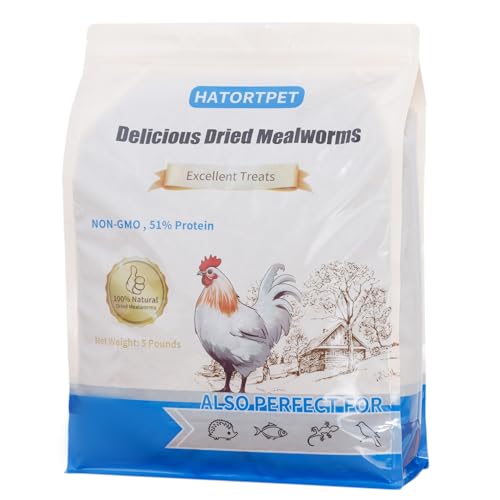
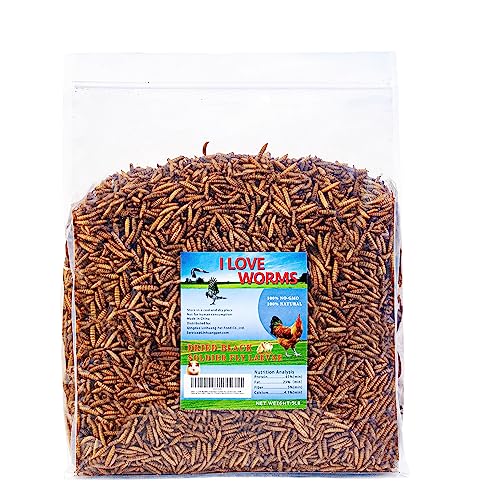
I LOVE WORMS Dried Black Soldier Fly Larvae
Protein plus calcium for strong shells alongside treats
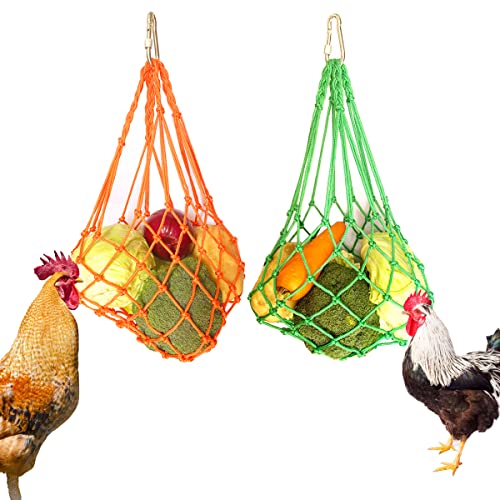
CooShou Vegetable String Bag Treat Holder
Hang fruit and veg so the flock pecks without waste
Nutrition and Benefits
Bananas are best known for potassium, an electrolyte that supports muscle and nerve function and helps maintain fluid balance, which can be handy in hot weather. They also provide vitamin B6, vitamin C, magnesium, and some natural fiber. For older hens, recovering birds, or fussy eaters, the soft, mashable texture makes banana an easy treat that goes down without effort. Chickens are also enthusiastic about it, which makes banana a useful tool for taming a skittish flock or coaxing birds back into the run.
The flip side of all that ripeness is sugar. Bananas carry more natural sugar than greens, berries, or melon, and chickens are not built to handle large amounts of it. That is the single fact that should shape how often you feed them.
How to Feed Bananas
Feeding banana could not be simpler. Peel a ripe banana, slice it into rounds or mash it, and set it out for the flock. Overripe, brown, mushy bananas are ideal and are a great way to use fruit that is past its prime in the kitchen. You can also smear a little mashed banana onto a hanging holder or mix small pieces into a vegetable scramble.
- Offer the soft inner fruit, peeled, in slices or mashed.
- Overripe and brown bananas are fine, but never moldy ones.
- Skip or finely chop the peel, since most birds will not bother with it.
- Remove uneaten banana within a day so it does not attract flies or pests.
- Keep grit available so birds can grind the fruit in the gizzard.
How Much Banana Is Safe
Because of the sugar, banana sits firmly inside the 10 percent treat rule. A few thin slices or a couple of inches of mashed fruit shared among several hens, offered a couple of times a week, is the right scale. The other 90 percent of the diet should always be complete feed, which provides the protein, calcium, vitamins, and minerals your flock needs for laying and feathering. When treats climb too high, the first things to suffer are eggshell quality and body condition.
| Banana Part | Verdict |
|---|---|
| Ripe flesh | Yes, in moderation |
| Overripe brown fruit | Yes, if not moldy |
| Peel | Edible but usually ignored |
| Moldy banana | Never |
Risks and Cautions
The main risk with bananas is simply overfeeding sugar. Too much can lead to loose droppings, gradual weight gain, and a flock that fills up on treats instead of feed. Always pair fruit with insoluble grit so the gizzard can do its job. And as with all fresh foods, never feed anything moldy. Fuzzy, fermenting fruit can produce mycotoxins that are genuinely harmful to chickens, so toss questionable bananas in the compost rather than the run.
For more on building a balanced treat rotation, see our guides on healthy chicken treats and what chickens can and cannot eat.
The Bottom Line
Bananas are a safe, vitamin-rich treat that chickens love, with sugar as the only real catch. Feed the soft ripe flesh in small amounts within the 10 percent rule, skip or chop the peel, never offer moldy fruit, and always provide grit. Used this way, an overripe banana that is too far gone for your kitchen becomes a perfect little treat that keeps your flock happy and your food waste down.
Frequently Asked Questions
Can chickens eat banana peels?
Chickens can technically eat banana peels, but most flocks ignore them because they are tough, fibrous, and hard to peck. Peels also carry a higher chance of pesticide residue. If you want to feed peels, chop them into small pieces or let them soften first, and wash them well. Honestly, most keepers compost the peel and offer only the soft inner fruit, which birds far prefer and digest more easily.
Are bananas too sugary for chickens?
Bananas are higher in natural sugar than many fruits, which is exactly why they should stay an occasional treat. A little ripe banana now and then is fine and even beneficial, but too much sugar can lead to weight gain, loose droppings, and reduced appetite for complete feed. Keep banana within the 10 percent treat allowance and offer it a couple of times a week at most rather than daily.
Can chickens eat overripe or brown bananas?
Yes, soft, brown, overripe bananas are perfect for chickens, as long as they are not moldy. Mushy bananas are easy for birds to peck and swallow, and the extra ripeness does not harm them. This makes bananas a great way to use up fruit that is too far gone for the kitchen. Just draw the line at any banana showing fuzzy mold, which can produce toxins that are dangerous to poultry.
How much banana can a chicken have?
Stick to small amounts: a few thin slices or a couple of inches of mashed banana shared among several hens is plenty. Bananas count toward the 10 percent treat rule along with all other extras. Because they are sugary and filling, overdoing banana can crowd out the complete feed that supplies balanced protein and calcium. A good test is offering only what the flock cleans up quickly, then removing any leftovers.
Do bananas help chickens in any way?
Yes, ripe bananas supply potassium, vitamin B6, vitamin C, and some magnesium, nutrients that support muscle function, hydration balance, and general health. The soft texture also makes them an easy, gentle treat for older or recovering birds. None of this replaces complete feed, but as part of a varied treat rotation, banana adds useful vitamins and a flock favorite that builds trust during taming and handling.
Can chicks eat bananas?
Young chicks should stay on complete starter feed, which gives them the high protein they need to grow. You can offer a tiny smear of ripe banana to older chicks as an occasional taste, but it should never replace starter and is not necessary at all. If you do, always provide chick grit so they can grind it. For the first few weeks, it is safest to skip treats entirely.
Need more help with your flock?
Browse our guides by topic to find practical solutions.
Keeper's Planner: $39