Can Chickens Eat Bread? What Keepers Should Know
Chickens can eat plain bread in tiny amounts, but it is low in nutrition and risky in excess. Learn the cautions, why moldy bread is dangerous, and better treat options.
Chickens can eat plain bread in small amounts, but it is a low-nutrition treat that is easy to overdo, so feed it rarely if at all. Bread is mostly empty carbohydrate, and fed in excess it leads to weight gain and crowds out the balanced diet hens need. Never feed moldy bread, which can be genuinely dangerous. Wholesome treats are almost always the better call.
Instead of bread, consider purpose-made enrichment and protein treats that actually benefit your flock.
Better Treats Than Bread

Manna Pro Mealworm Medley Cake, 19.5 oz
Mealworm and seed peck cake for boredom relief, far better than bread
Manna Pro Mealworm Medley Treat Cake
High-protein cake hens peck at, real nutrition not empty carbs
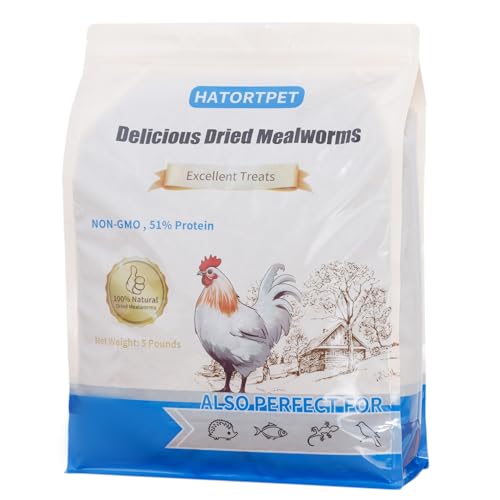
hatortpet Dried Mealworms, 5 lb
High-protein treat that supports feathering and laying
Why Bread Is a Poor Choice
Bread is one of those foods people instinctively toss to birds, but it does chickens few favors. It is built from refined carbohydrate with very little of what a hen actually needs: protein for feathers and eggs, calcium for shells, and the vitamins and minerals packed into complete feed. White bread is the worst offender, essentially flock junk food. When bread becomes a regular part of the diet, birds gain weight, laying can suffer, and shell quality can decline because the balanced ration is being diluted.
That does not make a stray crust an emergency. A small piece of plain bread now and then will not hurt a healthy chicken. The issue is habit and quantity, not a single nibble.
The Real Risks: Mold and Crop Trouble
Two cautions matter more than the empty-calorie problem. The first is mold. Moldy bread can carry mycotoxins that are dangerous, even deadly, to poultry, so it should never go in the run no matter how stale the loaf. The second is crop health. Dry bread can swell and clump, contributing to an impacted crop, while soft doughy bread fed often can play a role in sour crop, a yeast overgrowth. Tearing bread into small pieces, lightly moistening dry bread, and always keeping grit available all reduce these risks.
- Never feed moldy or stale-moldy bread.
- Tear bread into small pieces, never large dry chunks.
- Lightly moisten dry bread to ease swallowing.
- Skip salty, sugary, garlicky, or greasy breads.
- Always provide grit so the gizzard can do its work.
How Much, and How Often
If you feed bread at all, keep it tiny and occasional. Like every extra, it falls under the 10 percent treat rule, but because bread brings so little to the table, it should sit at the very bottom of your treat list. A few small torn pieces shared among the whole flock, rarely, is the ceiling. The bulk of any treats you offer should be wholesome produce and protein, with complete feed making up at least 90 percent of the daily diet.
| Bread Type | Verdict |
|---|---|
| Plain whole-grain, small pieces | Rare treat only |
| Plain white bread | Empty calories, limit hard |
| Sweet, salty, or greasy breads | Avoid |
| Moldy bread | Never, can be deadly |
Better Alternatives
Almost anything wholesome beats bread. High-protein mealworms and black soldier fly larvae support feathering and laying. Leafy greens, squash, cucumber, and berries deliver vitamins and hydration. A poultry treat block gives birds something to peck for hours without the empty calories. If your goal is boredom relief in a confined run, a treat block or hanging vegetable does the job far better than a handful of bread ever could.
For a full rundown of good options, see our guides on healthy chicken treats and table scraps for chickens.
The Bottom Line
Bread is not poisonous, but it is a poor treat that is easy to overfeed, and moldy bread is genuinely dangerous. If you offer it, keep it to small plain pieces, very occasionally, and never anything fuzzy with mold. Better yet, reach for protein treats, fresh produce, or a peck block instead. Your flock gets the fun of a treat plus real nutrition, and you keep complete feed firmly at the center of a healthy diet.
Frequently Asked Questions
Is bread bad for chickens?
Bread is not toxic, but it is poor nutrition and easy to overdo, so it should be a rare treat at most. White bread in particular is mostly empty carbohydrate with little protein, vitamins, or minerals. Fed in excess, it leads to weight gain, can dilute the balanced diet hens need, and large dry pieces risk crop problems. A small bit of plain bread occasionally is fine, but it is never a good staple.
Can chickens eat moldy bread?
No, never feed moldy bread to chickens. Mold can produce mycotoxins that are genuinely dangerous to poultry, potentially causing illness or death even in small amounts. This is far more serious than the low nutrition of fresh bread. If bread has any fuzzy or discolored mold, compost it or bin it rather than tossing it to the flock. The same rule applies to any moldy food: when in doubt, throw it out.
Can bread cause crop problems in chickens?
Yes, large or dry pieces of bread can contribute to crop issues. Dry bread can swell or clump and contribute to an impacted crop, while soft, doughy bread fed often can play a role in sour crop. To reduce the risk, offer only small pieces, tear them up, and consider lightly moistening dry bread. Always make sure grit is available so the gizzard can break down what the crop passes along.
What kind of bread is least bad for chickens?
If you do feed bread, whole-grain bread is a slightly better choice than white, since it has a bit more fiber and protein. Either way, it should be plain, with no heavy salt, sugar, seeds with toxins, or moldy spots. Avoid sweet breads, garlic bread, and anything greasy or heavily salted. Even the best bread is still a low-value treat, so keep portions tiny and infrequent.
How much bread can chickens have?
Very little. Bread should be a rare treat that, along with all other extras, stays well within the 10 percent treat rule. Think of a few small torn pieces shared among the whole flock, not handfuls. Because bread is filling and low in nutrition, even modest amounts can take the place of better food. Wholesome vegetables, fruit, and protein treats are far better choices for the bulk of your treat budget.
Can chicks eat bread?
It is best not to feed bread to chicks at all. They need every bite to count toward growth, and starter feed provides the concentrated protein their bodies require. Bread offers little nutrition and can fill a tiny crop with empty calories. If you want to give chicks a treat once they are a few weeks old, choose something wholesome like a little chopped green or mealworm, and always provide chick grit.
Need more help with your flock?
Browse our guides by topic to find practical solutions.
Keeper's Planner: $39