Can Chickens Eat Cantaloupe? A Keeper's Guide
Yes, chickens can eat cantaloupe, including the seeds. Learn the nutrition, how to feed flesh and rind safely, the right portions, and why it shines in hot weather.
Yes, chickens can eat cantaloupe, and it is one of the most flock-friendly fruits you can offer. The flesh, the seeds, and even the leftover rind are all safe, with no hidden hazards to work around. Because cantaloupe is mostly water and naturally sweet, the only real rule is moderation: keep it inside the treat allowance and lean on it as a cooling summer snack rather than an everyday staple.
Here are a few feeders and treats that pair nicely with melon and help keep the overall diet balanced.
Feeders and Treats for Your Flock

AOTECC Hanging Chicken Treat Holder Ball
Suspend melon and produce so the flock pecks without waste

Manna Pro Chicken Grit with Probiotics, 5 lb
Crushed granite to help birds grind fruit and skins
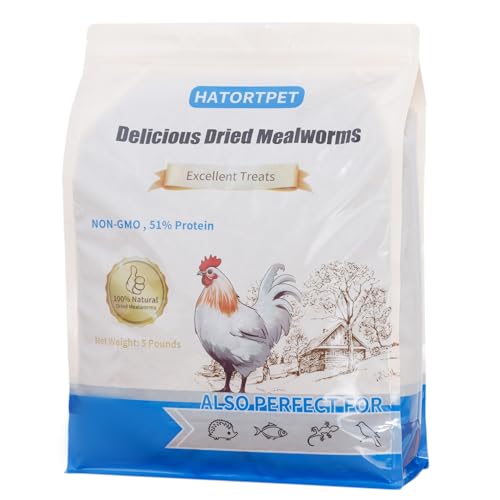
hatortpet Dried Mealworms, 5 lb
High-protein treat to balance out watery fruit
Nutrition and Benefits
Cantaloupe is roughly 90 percent water, which makes it genuinely useful for hydration, especially through summer. Beyond the water it delivers vitamin A and beta-carotene, vitamin C, potassium, and a dose of antioxidants. Vitamin A supports healthy vision, skin, and immune function, while the potassium helps with general muscle and nerve health. The bright orange flesh is also rich in carotenoids, the same pigments that can deepen yolk color over time.
The seeds deserve a mention of their own. Unlike apple seeds or stone fruit pits, cantaloupe seeds carry no harmful compounds. They bring protein and healthy fats, and chickens love rooting through the stringy center to get them. There is no reason to scoop them out before tossing melon to the flock.
How to Feed Cantaloupe Safely
Feeding melon is about as simple as treats get. Wash the outside first, since the netted rind can carry surface bacteria, then cut the fruit into manageable pieces. You can leave the seeds in, scrape the seedy middle straight into the run, or set out whole halves and let the birds peck the flesh down to the rind.
- Wash the rind before cutting to avoid transferring surface bacteria.
- Cut into cubes or wedges, or hang larger pieces in a treat holder.
- Leave the seeds in, since they are safe and nutritious.
- Offer the rind as a peck-it-down treat, then discard what is left.
- Provide grit so birds can grind the flesh and skin properly.
How Much Is Too Much
Like every extra, cantaloupe falls under the 10 percent treat rule, with complete layer feed supplying the other 90 percent. A few small cubes per bird, a couple of times a week, is a sensible serving. Because melon is so watery and sweet, overdoing it can lead to loose droppings and tempt hens to snack instead of eating the balanced ration that supplies their protein and calcium. That complete feed is what keeps laying steady and shells strong, so it always has to remain the foundation.
| Cantaloupe Part | Verdict |
|---|---|
| Flesh | Yes, hydrating and loved |
| Seeds | Yes, safe and nutritious |
| Rind | Yes, as a peck-it-down treat |
| Moldy or fermenting melon | No, discard it |
Risks and Cautions
There are no toxic parts to cantaloupe, so the cautions are the same general ones that apply to any juicy fruit. Too much can cause loose droppings, so keep portions small. Never feed melon that has gone moldy or started to ferment, since mold can produce toxins that are harmful to poultry. And remember that treats do not replace clean drinking water, which should always be available. Provide grit alongside melon and any produce so birds can grind it down in the gizzard.
For more on building a healthy treat rotation, see our guides on healthy chicken treats and what chickens can and cannot eat.
The Bottom Line
Cantaloupe is a safe, hydrating, and genuinely enjoyable treat for backyard chickens, seeds and all. Wash it, cut it into manageable pieces, keep servings inside the 10 percent allowance, and never offer fruit that has spoiled. Chilled or frozen on a hot afternoon, a few cubes of cantaloupe make a refreshing way to help your flock stay cool and hydrated through the heat of summer.
Frequently Asked Questions
Can chickens eat cantaloupe seeds?
Yes, cantaloupe seeds are completely safe and actually one of the best parts of the melon for your flock. They carry protein and healthy fats, and most chickens dive for the seedy center first. There is no need to scoop them out the way you would with a stone fruit pit. Just leave the seeds in the slice or scrape the stringy middle into the run and let the birds clean it up.
Can chickens eat cantaloupe rind?
Yes, chickens can peck at cantaloupe rind, and many will work the leftover flesh right down to the skin. The rind itself is tough and low in nutrition, so do not expect them to finish it. Cut spent halves into pieces so birds can reach the inner surface, then toss whatever is left. Always wash the outside first, since melon skins can carry surface bacteria and pesticide residue.
How much cantaloupe can a chicken eat?
Cantaloupe counts toward the 10 percent treat allowance, with complete feed making up the other 90 percent. A few small cubes per bird, a couple of times a week, is plenty. Melon is high in water and sugar, so overfeeding can cause loose droppings and lead hens to fill up instead of eating their balanced ration. Offer only what the flock cleans up in a few minutes and remove leftovers.
Is cantaloupe good for chickens in hot weather?
Yes, cantaloupe is an excellent hot-weather treat because it is roughly 90 percent water. On sweltering days when birds slow down and eat less, a cool slice encourages them to take in extra fluids. Some keepers chill or freeze cubes for added heat relief. Just remember melon does not replace fresh, clean drinking water, which should always be available alongside any juicy treat.
Can baby chicks eat cantaloupe?
Wait until chicks are a few weeks old before offering melon. Tiny chicks need the concentrated protein in starter feed far more than sugary fruit, and treats can crowd out that nutrition. If you give older chicks a taste, mash or finely chop a small piece and provide chick grit so they can digest it. For the first several weeks, keep chicks on starter feed and skip the extras.
Will chickens eat moldy or overripe cantaloupe?
They might, but you should never let them. Overripe melon ferments fast in warm weather, and mold can produce toxins that are dangerous to poultry. If a slice has gone slimy, smells sour, or shows fuzzy spots, throw it in the trash rather than the run. Offer fresh, firm melon only, and clear out any uneaten pieces before they spoil so the run stays clean and safe.
Need more help with your flock?
Browse our guides by topic to find practical solutions.
Keeper's Planner: $39