Can Chickens Eat Carrots? Roots, Tops, and Tips
Yes, chickens can eat carrots, root and tops, raw or cooked. Learn the beta-carotene benefits, why to grate them, yolk color, and how much to feed your flock.
Yes, chickens can eat carrots, both the root and the leafy tops, raw or cooked. Carrots are rich in beta-carotene, which supports immune and eye health and can deepen yolk color over time. The main tip is to grate or chop them, since a whole hard carrot is tough to peck. Fed in moderation, carrots are a wholesome, vitamin-packed treat your flock will enjoy.
Below are a few feeders and treats that pair well with vegetables and keep the overall diet balanced.
Treats and Feeders for Vegetables

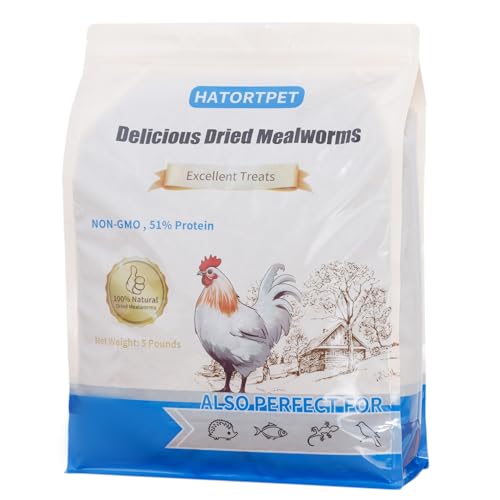
hatortpet Dried Mealworms, 5 lb
High-protein treat to balance a veggie-heavy treat day

Acellegic Chicken Treat Dispenser Ball, 2 Pack
Slow-feed pecking toy to ease boredom in the run
Nutrition and Benefits
Carrots are a nutritional standout among vegetable treats. They are loaded with beta-carotene, which the body converts to vitamin A for vision, immune function, and reproductive health. They also supply vitamin K, potassium, fiber, and antioxidants. The carotenoids that make carrots orange double as a natural yolk enhancer: feed carrots and other orange or dark green produce regularly, and yolks tend to take on a richer, deeper color that many keepers love.
The leafy carrot tops are nutritious too, often easier for birds to eat than the dense root, and feeding them means you use the whole vegetable instead of binning the greens.
How to Feed Carrots
The one practical hurdle is texture. A whole raw carrot is hard and frustrating for a chicken to peck, so the trick is to grate or shred it, or chop it into small chunks. Shredded raw carrot disappears fast and wastes nothing. Plain cooked carrot is softer and works well for older hens or as a way to use leftovers, as long as it is unseasoned. Carrot tops can be scattered or hung for the flock to enjoy.
- Grate or shred raw carrot for easy eating.
- Chop into small chunks if you prefer.
- Plain cooked carrot is fine, no seasoning.
- Feed the washed leafy tops too.
- Keep grit available so birds can digest the fiber.
How Much Carrot Is Right
Carrots count toward the 10 percent treat rule, so a handful of shredded carrot shared among the flock, a few times a week, is the right amount. Carrots are healthy but do carry natural sugar, so moderation still applies, and complete feed should always make up the other 90 percent of the diet. Grating not only makes carrots easier to eat but also helps the flock finish them quickly so nothing sits around to spoil.
| Carrot Part or Form | Verdict |
|---|---|
| Grated or shredded raw | Best, easy to eat |
| Plain cooked carrot | Yes, good for older hens |
| Carrot tops and greens | Safe and nutritious |
| Whole hard carrot | Hard to peck, grate first |
Risks and Cautions
Carrots are low-risk. The only real issues are texture, solved by grating, and the usual moderation needed for any treat. Skip seasoned, buttered, or glazed carrots, and never feed anything moldy or spoiled. Always offer grit so the gizzard can break the carrot down, and remember that even a healthy vegetable is a supplement. Complete feed must remain the foundation so your hens get the protein and calcium they need for laying and shell strength.
For more vegetable ideas, see our guides on healthy chicken treats and what chickens can and cannot eat.
The Bottom Line
Carrots are a safe, nutritious, and yolk-enriching treat for backyard chickens. Grate or shred the root so birds can eat it easily, feed the leafy tops too, choose plain raw or cooked carrot, and keep portions within the 10 percent rule with grit available. Offered this way, carrots deliver beta-carotene, vitamins, and richer yolk color, making them one of the more rewarding vegetables in your flock's treat rotation.
Frequently Asked Questions
Can chickens eat raw carrots?
Yes, chickens can eat raw carrots, but a whole hard carrot is tough for them to peck. Grating or shredding raw carrot makes it much easier to eat and lets the flock clean it up quickly. You can also chop it into small chunks. Raw carrot keeps the most nutrition, including beta-carotene, and shredding it turns a hard root into an easy, healthy treat the whole flock can share.
Can chickens eat carrot tops and greens?
Yes, carrot tops and the leafy greens are safe and nutritious for chickens, so there is no need to throw them away. The feathery greens are easier to eat than the root and offer vitamins and fiber. Wash them, then scatter or hang them for the flock to peck. Feeding the tops along with the grated root is a great way to use the whole vegetable and cut down on kitchen waste.
Are cooked carrots good for chickens?
Yes, plain cooked carrots are easy to eat and perfectly safe, making them a good option for older hens or for using up leftovers. Just keep them unseasoned, with no butter, salt, sugar, or glaze. Cooking softens the root so birds can manage larger pieces. Raw shredded carrot retains slightly more nutrition, but both forms are healthy, so feed whichever is most convenient within the treat allowance.
Do carrots improve egg yolk color?
Yes, the beta-carotene in carrots is a carotenoid pigment that, fed regularly in moderation, can deepen the orange color of egg yolks over time. Other orange and dark green produce like pumpkin, squash, and leafy greens do the same. It is a nice cosmetic bonus on top of the vitamin A benefits. Keep carrots within the 10 percent treat rule, since balanced feed still has to supply the bulk of nutrition.
How many carrots can a chicken eat?
Carrots count toward the 10 percent treat allowance, so a handful of shredded carrot shared among the flock, a few times a week, is plenty. Carrots are healthy but contain natural sugar, so moderation still applies. Grating helps the flock eat them efficiently without waste. The other 90 percent of the diet should be complete feed, which provides the protein and calcium hens need for laying and strong shells.
Can chicks eat carrots?
Older chicks can have a little finely grated raw or soft cooked carrot as an occasional treat, but young chicks should stay on complete starter feed for the protein they need to grow. Always grate or chop carrot very finely for chicks and provide chick grit so they can digest it. For the first few weeks, keep chicks on starter feed and hold off on treats including carrot.
Need more help with your flock?
Browse our guides by topic to find practical solutions.
Keeper's Planner: $39