Can Chickens Eat Cherries? Pits, Safety, Portions
Yes, chickens can eat cherry flesh, but the pits contain cyanide and must be removed. Learn safe feeding, why stems matter, the right portions, and what to avoid.
Yes, chickens can eat cherries, but with one firm condition: the flesh is a safe, much-loved treat while the pits are not. Cherry pits, like the stones in peaches and plums, contain amygdalin, a compound that releases cyanide. The rule is simple and worth memorizing: feed the flesh, never the pit. Pit and halve your cherries, keep portions modest, and they become a bright, fun treat your flock will run for.
Here are a few feeders and treats that pair well with fruit and help keep the overall diet balanced.
Feeders and Treats for Your Flock
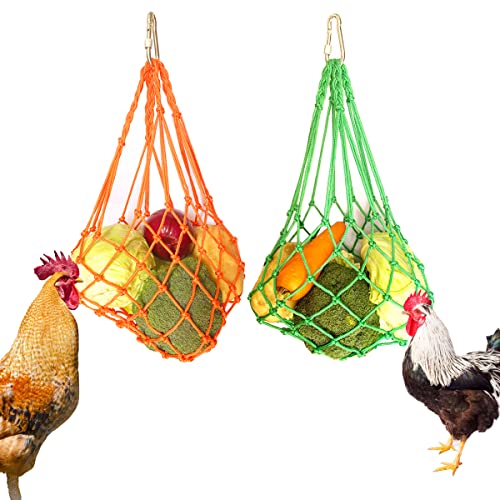

Manna Pro Chicken Grit with Probiotics, 5 lb
Crushed granite to help birds grind fruit and skins
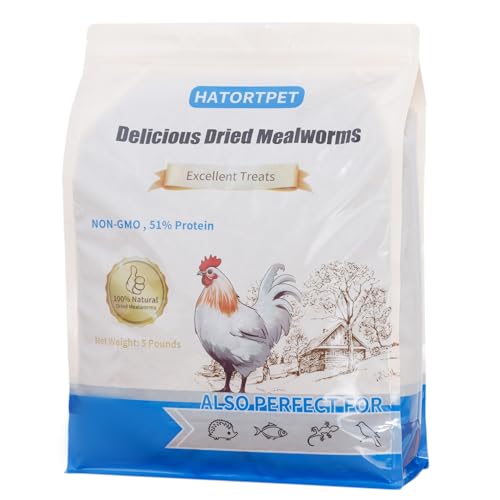
hatortpet Dried Mealworms, 5 lb
High-protein treat to balance out sugary fruit
Nutrition and Benefits
Cherry flesh brings a nice mix of nutrients in a small package. It carries vitamin C, vitamin A, potassium, and a generous supply of antioxidants, including the anthocyanins that give cherries their deep red color. Those compounds support immune health and help fight inflammation. Cherries also have a good water content, which adds a little hydration on warm days.
None of this makes cherries a dietary necessity, since a complete feed already covers what hens need. Think of cherries as a wholesome bonus: a colorful, antioxidant-rich treat that birds enjoy, offered in the small amounts that suit any sugary fruit.
How to Feed Cherries Safely
The whole game with cherries is removing the pit. The flesh is harmless, but the hard stone holds amygdalin, and the stems and leaves carry it too. Pit the cherries, strip any stems, and you have eliminated the only meaningful risk.
- Always remove the pit before feeding, with no exceptions.
- Strip off stems and leaves, which also contain amygdalin.
- Halve the pitted flesh so smaller birds can manage it.
- Wash cherries first to remove any pesticide residue.
- Provide grit so birds can grind the fruit in the gizzard.
How Much Is Too Much
Cherries fall under the 10 percent treat rule, with complete layer feed making up the other 90 percent. A few pitted, halved cherries per bird, once or twice a week, is a sensible portion. Because cherries sit on the sweeter end of the fruit scale, overfeeding can cause loose droppings and lead birds to snub their balanced ration. That complete feed supplies the protein and calcium hens rely on for steady laying and strong shells, so it always has to stay the foundation of the diet.
| Cherry Part | Verdict |
|---|---|
| Flesh, pitted | Yes, safe and loved |
| Pits | No, contain cyanide |
| Stems and leaves | No, also contain amygdalin |
| Dried or maraschino | No, too much added sugar |
Risks and Cautions
The pit is the headline risk, and pitting your cherries removes it entirely. Beyond that, treat cherries like any sugary fruit: keep portions small to avoid loose droppings, and never feed moldy or fermenting fruit, which can harbor toxins dangerous to poultry. Steer clear of dried, canned, and maraschino cherries, which pack far more sugar or added syrup and dye than a chicken should ever have. Stick to fresh, pitted flesh and you stay on the safe side.
For more on building a healthy treat rotation, see our guides on healthy chicken treats and what chickens can and cannot eat.
The Bottom Line
Cherries are a safe and cheerful treat for backyard chickens as long as you remove the pits and stems first. Feed only fresh, pitted flesh, halve it for smaller birds, keep servings inside the 10 percent allowance, and skip anything dried or candied. Get the pit out and cherries become a bright, antioxidant-rich reward that flocks love to chase down on a summer afternoon.
Frequently Asked Questions
Are cherry pits poisonous to chickens?
Yes, cherry pits are the one part you must keep away from your flock. The hard stone contains amygdalin, a compound that releases cyanide when crushed or chewed. A chicken would have to break open and eat several pits to be seriously harmed, but the safe habit is to remove every pit before feeding. The juicy flesh around the pit is harmless, so pit the cherries and you remove the only real danger.
Can chickens eat cherry stems and leaves?
It is best to leave them out. Like the pits, cherry stems, leaves, and twigs contain the same amygdalin compounds that can release cyanide, especially when wilting. The amounts a chicken might nibble are usually small, but there is no benefit to offering them. Strip the stems and leaves when you pit the fruit, and toss only clean, pitted flesh into the run to keep things simple and safe.
How many cherries can a chicken eat?
Cherries are sugary, so a few pitted, halved cherries per bird, once or twice a week, is plenty. They count toward the 10 percent treat allowance, with complete feed making up the rest. Too many sugary cherries can cause loose droppings and lead hens to fill up on fruit instead of their balanced ration. Offer only what the flock cleans up quickly and clear away any leftovers.
Can chickens eat dried or maraschino cherries?
Skip both. Dried cherries are far more concentrated in sugar than fresh ones, so they are very easy to overfeed even in small amounts. Maraschino cherries are worse, loaded with added sugar, syrup, and dyes that have no place in a chicken's diet. If you want to share cherries, fresh and pitted is the only good way. Keep candied, canned, and heavily sweetened versions out of the run entirely.
Can baby chicks eat cherries?
Hold off until chicks are several weeks old. Young chicks need the protein in starter feed far more than sugary fruit, and pits pose a serious choking and toxicity risk for tiny birds. If you offer older chicks a taste, use only pitted flesh chopped into small pieces and provide chick grit to help them digest it. For the first few weeks, keep chicks on starter feed and skip treats altogether.
Do chickens like cherries?
Most do, and the bright red color tends to draw them in fast. Cherries make a fun, high-value treat for taming a flock or rewarding birds that come when called. That enthusiasm is exactly why portion control matters, since hens will gulp sweet fruit quickly. Pit and halve the cherries first, scatter them so everyone gets a share, and keep the serving small so the excitement does not turn into overfeeding.
Need more help with your flock?
Browse our guides by topic to find practical solutions.
Keeper's Planner: $39