Can Chickens Eat Cucumbers? A Hydrating Treat
Yes, chickens can eat cucumbers, skin and seeds included. Learn why they are a great summer hydration treat, how much to feed, and the best way to serve them.
Yes, chickens can eat cucumbers, skin and seeds included. At roughly 95 percent water, cucumbers are a refreshing, low-calorie treat that shines in hot weather by helping the flock stay hydrated. The only real caution is moderation, since too much watery produce can loosen droppings. Wash them, serve them sliced or halved, and cucumbers become a welcome summer snack.
Here are a few feeders and treats that pair well with juicy vegetables and keep the overall diet balanced.
Treats and Feeders for Summer

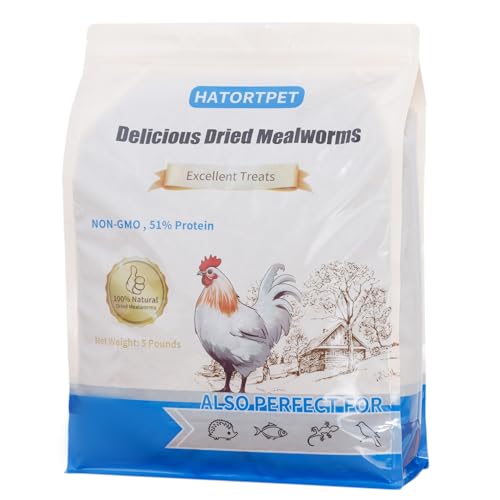
hatortpet Dried Mealworms, 5 lb
High-protein treat to balance watery summer veg
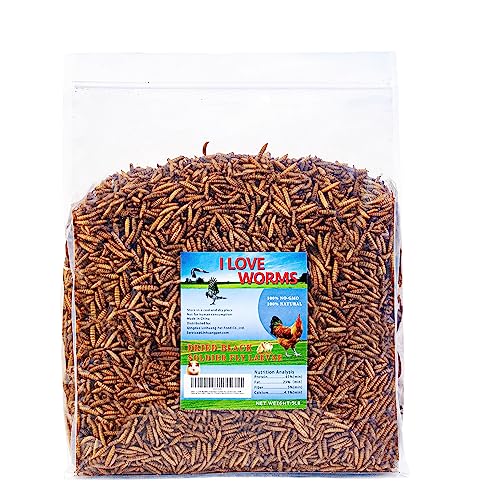
I LOVE WORMS Dried Black Soldier Fly Larvae
Protein plus calcium for strong shells alongside treats
Nutrition and Benefits
Cucumbers are not the most nutrient-dense vegetable, but their value lies in hydration. Made up of about 95 percent water, they are one of the best ways to help a flock take in fluids on hot days, when heat suppresses appetite and raises the risk of heat stress. Alongside the water, cucumbers supply vitamin K, vitamin C, potassium, and a little fiber, all with very few calories. That makes them a guilt-free treat you can offer fairly freely within the treat allowance.
Because chickens handle cold far better than heat, hydrating treats like cucumber, watermelon, and other watery produce are genuinely useful tools for summer flock care, especially chilled.
How to Feed Cucumbers
Cucumbers are easy and a little fun to serve. Wash the cucumber, then slice it in half lengthwise so birds can scoop out the soft seedy middle, or cut it into rounds or chunks. Many keepers hang a cucumber so the flock has to work for it, which adds enrichment. On a hot day, chill the slices first for extra cooling relief. It is normal for birds to hollow out the inside and leave the skin shell behind.
- Wash to remove wax or pesticide residue.
- Slice lengthwise, into rounds, or hang for enrichment.
- Skin and seeds are both safe to eat.
- Chill slices for hot-day cooling.
- Keep grit available so birds can digest the skin.
How Much Cucumber Is Right
Cucumber counts toward the 10 percent treat rule, with complete feed making up the other 90 percent. A few slices per bird or a halved cucumber shared among the flock, several times a week, hits the mark. Because cucumber is so watery, the main sign of overfeeding is loose droppings. If that happens, just scale back and the flock will firm up within a day. Despite being low-calorie, cucumber should still supplement, not replace, balanced feed.
| Cucumber Part or Form | Verdict |
|---|---|
| Flesh | Yes, hydrating |
| Skin | Safe, wash first |
| Seeds | Safe and soft |
| Chilled slices | Great for hot days |
Risks and Cautions
Cucumbers are among the lowest-risk treats you can offer. The only cautions are overfeeding, which loosens droppings, and the standard rules to wash off residue and never feed anything slimy or moldy. Always provide grit so the gizzard can process the skin, and remove leftover pieces before they rot. As with all produce, cucumber is a supplement to complete feed, which has to remain the foundation of a healthy laying diet.
For more summer feeding ideas, see our guides on healthy chicken treats and what chickens can and cannot eat.
The Bottom Line
Cucumbers are a safe, hydrating, low-calorie treat that earns its keep in hot weather. Wash them, serve them sliced, halved, or hung, feed the skin and seeds freely, keep portions within the 10 percent rule, and provide grit. Chilled on a hot afternoon, cucumber is one of the simplest ways to help your flock stay cool and hydrated while adding a little variety to their day.
Frequently Asked Questions
Can chickens eat cucumber skin and seeds?
Yes, both the skin and the seeds of cucumbers are safe for chickens. The seeds are soft and easy to eat, and the skin holds extra fiber and nutrients. Just wash the cucumber first, since the skin can carry pesticide residue or wax on store-bought ones. Many keepers slice a cucumber lengthwise and let the flock scoop out the soft seedy center, then work on the firmer flesh and skin.
Are cucumbers good for chickens in hot weather?
Yes, cucumbers are an excellent hot-weather treat. At around 95 percent water, they help keep chickens hydrated when heat dulls their appetite and raises the risk of heat stress. Chilled cucumber slices are especially welcome on a scorching day. Since chickens cope much better with cold than heat, hydrating treats like cucumber are a simple, healthy way to help your flock stay comfortable through the summer.
How much cucumber can chickens eat?
Cucumber falls under the 10 percent treat rule, so a few slices per bird or a halved cucumber shared among the flock, a few times a week, is plenty. Because cucumber is so watery, the main risk of overfeeding is loose droppings. If you notice runny stools, simply cut back. Complete feed should always make up the other 90 percent of the diet to keep nutrition balanced.
Will chickens eat a whole cucumber?
Often they will go for the soft inside first. A popular way to serve cucumber is to slice it in half lengthwise so birds can scoop out the seedy center, then peck the flesh and skin. You can also offer rounds or chunks, or hang a cucumber for enrichment. Leaving a hollowed-out skin behind is normal. Remove any uneaten pieces within a day so they do not rot in the run.
Do cucumbers have nutritional value for chickens?
Cucumbers are mostly water, so they are low in calories, but they still provide vitamin K, vitamin C, potassium, and a little fiber, plus valuable hydration. They are not a powerhouse like carrots or leafy greens, but as a refreshing, low-calorie summer treat they are a healthy choice. Offered in moderation alongside complete feed, cucumbers add variety and help your flock stay hydrated without adding excess calories.
Can chicks eat cucumber?
Older chicks can have a small piece of cucumber as an occasional treat, but young chicks should stay on complete starter feed for the protein they need. Because cucumber is so watery, too much can fill little birds and cause loose droppings, so keep portions tiny. Always provide chick grit so they can digest it. For the first few weeks, it is safest to keep chicks on starter feed alone.
Need more help with your flock?
Browse our guides by topic to find practical solutions.
Keeper's Planner: $39