Can Chickens Eat Grapes? Safety and Portions
Yes, chickens can eat grapes in moderation. Learn why to halve them, whether seeds and skins are safe, how much sugar is okay, and the right way to feed grapes.
Yes, chickens can eat grapes in moderation. The flesh, skin, and seeds are all safe, and most flocks are crazy for them, but grapes are sugary and round, so the two rules to remember are to keep portions small and to halve grapes to prevent choking, especially for smaller birds. Get those right and grapes become one of the best trust-building treats in your kit.
Here are a few treats and feeders that work nicely alongside fruit, including high-protein options to keep the overall diet balanced.
Treats and Enrichment for Your Flock
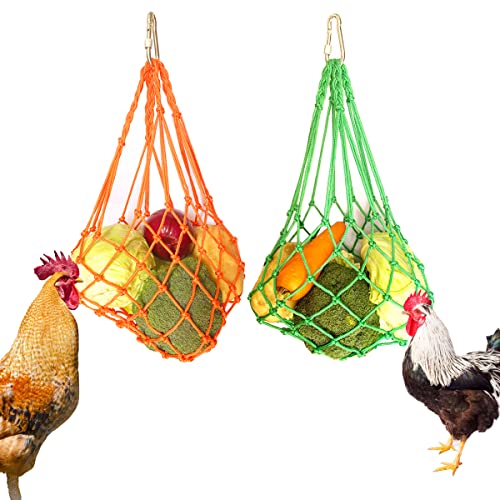
CooShou Vegetable String Bag Treat Holder
Hang produce so the flock pecks and forages without waste
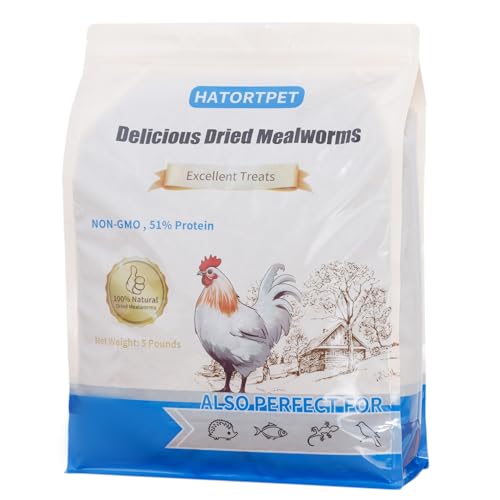
hatortpet Dried Mealworms, 5 lb
High-protein treat to balance out sugary fruit

Acellegic Chicken Treat Dispenser Ball, 2 Pack
Slow-feed pecking toy to make treats last and ease boredom
Nutrition and Benefits
Grapes are mostly water, which makes them hydrating, and they bring along vitamin C, vitamin K, and a good dose of antioxidants like resveratrol and other polyphenols concentrated in the skins. Those compounds support general health and immune function. The high water content is genuinely useful on hot summer days when birds slow down and need encouragement to take in fluids. Frozen halved grapes even double as a cooling heat-relief treat in a heat wave.
For all those perks, grapes are still a sugar-forward fruit. They sit on the sweeter end of the produce scale, which is the main reason to keep servings modest rather than turning grapes into an everyday staple.
How to Feed Grapes Safely
The single most important step is cutting grapes in half. Whole grapes are smooth and round, and an excited hen that swallows one whole can choke, a real risk for bantams and smaller breeds in particular. Halving solves the problem and has the bonus of spreading the treat among more birds. Wash grapes well first, since the skins can hold pesticide residue.
- Halve grapes, or quarter them for small breeds and bantams.
- Wash thoroughly to remove any spray residue.
- Seedless or seeded both work, as grape seeds are harmless.
- Scatter pieces so the whole flock gets a fair share.
- Always provide grit so birds can grind the skins and flesh.
How Much Is Too Much
Grapes belong inside the 10 percent treat rule along with every other extra. A practical portion is a couple of halved grapes per bird, a few times a week. Because grapes are so sugary and so popular, it is easy to overfeed them, which can cause loose droppings and lead birds to snub their complete feed. The complete ration is what supplies the protein and calcium hens depend on for steady laying and strong shells, so it always has to stay the foundation.
| Grape Form | Verdict |
|---|---|
| Halved fresh grapes | Yes, the safest way |
| Whole grapes | Choking risk, halve first |
| Seeds and skins | Safe |
| Raisins | Tiny amounts only, very sugary |
Risks and Cautions
The two real cautions with grapes are choking and sugar. Halving handles the choking risk, and portion control handles the sugar. Beyond that, always offer grit alongside grapes and any fruit, and never feed moldy or fermenting grapes, which can harbor harmful toxins. Raisins deserve a special note: they pack the sugar of several grapes into one bite, so use them sparingly, mainly as a high-value training treat.
For more on building a healthy treat rotation, see our guides on healthy chicken treats and what chickens can and cannot eat.
The Bottom Line
Grapes are a safe, hydrating, much-loved treat for backyard chickens when you follow two simple rules: halve them to prevent choking and keep portions inside the 10 percent allowance. Wash them, skip moldy fruit, provide grit, and lean on grapes as a brilliant trust-building treat. Frozen and halved on a hot day, they become a refreshing way to help your flock beat the heat.
Frequently Asked Questions
Should I cut grapes before feeding them to chickens?
Yes, halving grapes is a smart habit, especially for smaller breeds, bantams, and younger birds. Whole grapes are round and slippery, and a greedy hen bolting one down can choke. Cutting grapes in half removes that risk and also helps the flock share them more evenly instead of one bird grabbing the lot. For large standard hens a whole grape is usually fine, but halving is the safe default.
Can chickens eat grape seeds and skins?
Yes, grape seeds and skins are both safe for chickens. Unlike apple seeds or stone fruit pits, grape seeds contain no harmful compounds, so there is no need to remove them. Seedless grapes are simply more convenient. The skins are thin and easy to peck, and they carry many of the antioxidants grapes are known for. Just wash grapes well first, since they can carry pesticide residue.
Are raisins safe for chickens?
Raisins are safe in very small amounts but are far more concentrated in sugar than fresh grapes, so they are easy to overdo. A few raisins scattered as a high-value treat for training or taming is fine, but they should be rare rather than routine. Fresh grapes are the better everyday choice because of their high water content. Whatever you offer, keep it inside the overall 10 percent treat allowance.
How many grapes can a chicken eat?
Grapes are sugary, so a couple of halved grapes per bird, a few times a week, is a sensible limit. Like all treats, grapes count toward the 10 percent rule, with complete feed making up the other 90 percent. Too many grapes can cause loose droppings and lead birds to fill up on sugar instead of balanced nutrition. Offer only what the flock cleans up in a few minutes.
Do chickens like grapes?
Most chickens go wild for grapes, which makes them an excellent training and trust-building treat. The bright color and sweet juice make grapes one of the fastest ways to get a flock running toward you. That enthusiasm is also a reason for caution, since birds will gulp them quickly. Halve the grapes, scatter them so everyone gets a turn, and keep portions small so the excitement does not lead to overfeeding.
Can baby chicks eat grapes?
Hold off on grapes until chicks are several weeks old. Whole or even halved grapes are a choking hazard for tiny birds, and chicks need the concentrated protein of starter feed far more than sugary fruit. If you give older chicks a taste, quarter the grape into small pieces and offer chick grit so they can digest it. For the first few weeks, keep chicks on starter and skip treats.
Need more help with your flock?
Browse our guides by topic to find practical solutions.
Keeper's Planner: $39