Can Chickens Eat Lettuce? Best and Worst Types
Yes, chickens can eat lettuce in moderation. Learn why romaine beats iceberg, how much to feed, the loose-dropping risk, and the best way to serve leafy greens.
Yes, chickens can eat lettuce in moderation. Leafy types like romaine and red or green leaf lettuce are nutritious and hydrating, while pale iceberg is mostly water and far less useful. The main caution is that watery greens fed in excess can cause loose droppings, so portion control and variety matter. Hung in the run, lettuce doubles as great foraging enrichment.
Below are a few feeders and treats that make serving greens easy and keep the overall diet balanced.
Treats and Feeders for Greens

RRQKMBO Hanging Vegetable Treat Holder
Hang a lettuce head so the flock pecks and forages for hours
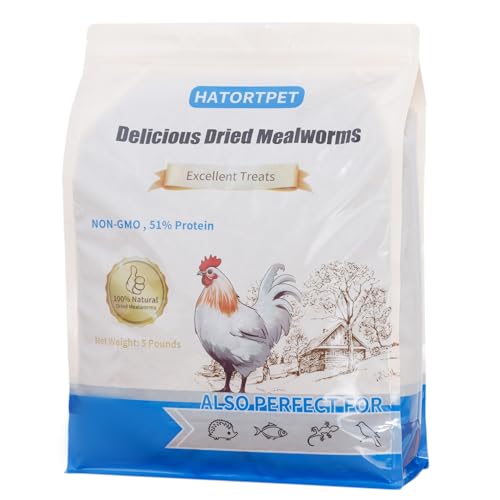
hatortpet Dried Mealworms, 5 lb
High-protein treat to balance watery leafy greens

Acellegic Chicken Treat Dispenser Ball, 2 Pack
Slow-feed pecking toy to ease boredom in the run
Not All Lettuce Is Equal
The biggest thing to know about lettuce is that the type matters a lot. Dark, leafy varieties such as romaine and red or green leaf lettuce carry vitamin A, vitamin K, folate, and useful fiber. Pale iceberg, on the other hand, is mostly water with very little nutrition, and its high water content makes it the most likely to cause loose droppings if overfed. None of it is toxic, but if you are choosing what to grow or buy for the flock, reach for the darker, leafier options every time.
Nutrition and Benefits
Leafy lettuce contributes vitamins and hydration without many calories, which makes it a sensible low-fat treat. The vitamin K supports healthy blood clotting, vitamin A aids vision and immunity, and the moisture helps keep birds hydrated in warm weather. Just as valuable is the enrichment factor. Pecking apart a hanging head of lettuce keeps a flock busy, which curbs boredom-driven habits like feather picking in a confined run. As a bonus, leafy greens can add a touch of color to egg yolks over time.
How to Feed Lettuce
Lettuce is simple to serve. Wash it to remove any residue, then either scatter torn leaves or, better, hang a whole or half head so birds work for it. Hanging slows them down, spreads the treat around, and keeps the lettuce cleaner than letting it sit in the dirt. Mix lettuce with other greens for better nutrition and to keep things interesting.
- Choose romaine or leaf lettuce over pale iceberg.
- Wash to remove any pesticide residue.
- Hang a head for enrichment or scatter torn leaves.
- Mix with other greens like kale and chard.
- Keep grit available so birds can digest the fiber.
How Much Lettuce Is Right
Lettuce counts toward the 10 percent treat rule, with complete feed making up the other 90 percent. A few leaves per bird, several times a week, is a good amount. The watery nature of lettuce, especially iceberg, means the main sign of too much is loose droppings. If you see that, scale back and the flock will firm up within a day. Rotating lettuce with other greens and treats is better than feeding the same thing every single day.
| Lettuce Type | Verdict |
|---|---|
| Romaine | Best, nutritious |
| Red or green leaf | Good |
| Iceberg | Low value, limit it |
| Wilted or slimy leaves | Toss them |
Risks and Cautions
Lettuce is low-risk overall. The cautions are loose droppings from watery types fed in excess, and the usual rule against feeding anything slimy, spoiled, or moldy. Always provide grit so the gizzard can process the fibrous leaves, and remember that greens are a supplement, not a substitute for complete feed. The balanced ration is what gives your hens the protein and calcium they need for steady laying and strong shells.
For more on greens and treats, see our guides on healthy chicken treats and what chickens can and cannot eat.
The Bottom Line
Lettuce is a safe, hydrating, low-calorie treat that works best when you favor nutritious romaine and leaf varieties over watery iceberg. Wash it, hang it for enrichment, keep portions within the 10 percent rule, watch for loose droppings, and provide grit. Mixed with other greens and offered in moderation, lettuce is a wholesome way to add variety, hydration, and a little foraging fun to your flock's day.
Frequently Asked Questions
Can chickens eat iceberg lettuce?
Chickens can eat iceberg lettuce, but it is the least nutritious lettuce, made up of mostly water with little vitamin content. Fed in large amounts, watery iceberg can cause loose droppings and even mild digestive upset. A little is harmless, but darker leafy choices like romaine, leaf lettuce, kale, and chard are far better. If you have iceberg to use up, offer small amounts and lean on more nutritious greens for the bulk of the treat.
Is lettuce nutritious for chickens?
It depends on the type. Darker lettuces such as romaine and red or green leaf lettuce provide vitamin A, vitamin K, folate, and some fiber, making them a worthwhile leafy treat. Pale iceberg is mostly water with little to offer. For real nutrition, mix lettuce with other greens like kale, chard, and spinach. Lettuce is a fine hydrating snack, but it should complement complete feed, never replace it.
How much lettuce can chickens eat?
Lettuce falls under the 10 percent treat rule, so offer a few leaves per bird, a few times a week. Because lettuce is watery, especially iceberg, overfeeding can cause runny droppings. A great way to serve it is to hang a whole head or half head so birds peck at it for enrichment and self-regulate. If droppings get loose, simply cut back and the flock will settle quickly.
Can chickens eat lettuce every day?
A small amount of leafy lettuce daily is generally fine, particularly nutritious types like romaine, as long as treats overall stay within the 10 percent allowance. The risk with daily feeding is overdoing watery greens, which loosens droppings, or letting treats crowd out complete feed. Variety is better than relying on one item, so rotate lettuce with other greens, vegetables, and protein treats rather than feeding the same thing every day.
Do chickens like lettuce?
Most chickens enjoy pecking at leafy greens, and lettuce is no exception, though they often prefer tastier darker greens and herbs. Hanging a head of lettuce in the run turns it into an entertaining foraging activity that helps reduce boredom and feather picking. Some birds will ignore plain pale lettuce in favor of richer options. Offering a mix of greens lets your flock pick their favorites and keeps treat time interesting.
Can chicks eat lettuce?
Older chicks can have small amounts of finely chopped leafy lettuce as an occasional treat, but young chicks should stay on complete starter feed for the protein they need to grow. If you do offer greens to older chicks, chop them small and always provide chick grit so they can digest the fibrous leaves. Watery lettuce can cause loose droppings in little birds, so keep portions tiny.
Need more help with your flock?
Browse our guides by topic to find practical solutions.
Keeper's Planner: $39