Can Chickens Eat Mango? A Keeper's Guide
Yes, chickens can eat mango flesh in moderation. Learn why to remove the pit, whether the skin is safe, the nutrition, the right portions, and how to feed it.
Yes, chickens can eat mango, and the sweet, soft flesh makes a fun tropical treat for the flock. The flesh is the safe, nutritious part, while the large flat pit should be removed and the tough skin is usually left behind by the birds anyway. Because mango is one of the sweeter fruits, the rule is simple: feed small cubes of flesh, remove the pit, and keep servings modest.
Here are a few feeders and treats that pair well with fruit and help keep the diet balanced.
Feeders and Treats for Your Flock


Manna Pro Chicken Grit with Probiotics, 5 lb
Crushed granite to help birds grind fruit and skins
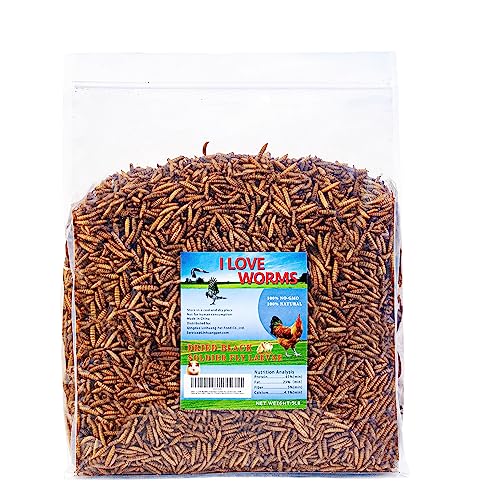
I LOVE WORMS Dried Black Soldier Fly Larvae, 5 lb
Calcium and protein rich treat to balance fruit
Nutrition and Benefits
Mango is rich in vitamin A and beta-carotene, which support vision, skin, and immune health, and it carries a strong dose of vitamin C along with vitamin E and potassium. The bright orange flesh is full of carotenoids, the same pigments that can gradually deepen yolk color when colorful fruit is part of a varied treat rotation. There is also a good amount of water, adding a little hydration on warm days.
As with all fruit, mango is a bonus rather than a necessity, since a complete feed already covers a hen's core needs. The catch is its sweetness, which sits on the higher end of the fruit scale and is the main reason to keep portions small.
How to Feed Mango Safely
Mango takes a little prep because of its big central pit, but otherwise it is simple to share.
- Cut the soft flesh away from the large flat pit and discard the pit.
- Peel the fruit or offer chunks and let birds peck flesh from the skin.
- Wash the fruit well if you leave the skin on.
- Cut the flesh into small cubes so the whole flock can share.
- Provide grit so birds can grind the fruit in the gizzard.
How Much Is Too Much
Mango falls under the 10 percent treat rule, with complete layer feed making up the other 90 percent. A few small cubes shared among the flock, a couple of times a week, is a sensible portion. Because mango is sweet and soft, overfeeding can cause loose droppings and lead birds to snack instead of eating their balanced ration. That complete feed supplies the protein and calcium hens depend on for steady laying and strong shells, so it always has to remain the foundation of the diet.
| Mango Part | Verdict |
|---|---|
| Flesh, cut small | Yes, sweet and nutritious |
| Skin | Safe but tough, often left behind |
| Pit | No, hard and oversized |
| Dried mango | No, too much concentrated sugar |
Risks and Cautions
Mango carries no toxic parts, so the cautions are the familiar ones for sweet fruit. Keep portions small to avoid loose droppings, remove the oversized pit so birds do not peck at something they cannot break down, and never feed moldy or fermenting fruit, which can grow toxins harmful to poultry. Skip dried mango and any sweetened versions. Always provide grit alongside mango so birds can grind the flesh and any skin they swallow.
For more on building a healthy treat rotation, see our guides on healthy chicken treats and what chickens can and cannot eat.
The Bottom Line
Mango is a safe, vitamin-rich, and well-loved treat for backyard chickens once the pit is removed and the flesh is cut into small cubes. Peel it or let birds work it off the skin, keep servings inside the 10 percent allowance, and skip dried or sweetened versions. Offered this way, a little ripe mango makes a colorful, hydrating tropical reward your flock will happily chase down.
Frequently Asked Questions
Can chickens eat mango skin?
Mango skin is safe but tough, and chickens often leave it behind. The flesh is what they are after, so you can peel the mango or simply offer chunks with the skin on and let birds peck the soft fruit away from it. If you leave the skin on, wash the fruit well first, since mango skins can carry pesticide residue. Either approach works fine for the flock.
Can chickens eat the mango pit?
No, leave the large flat pit out of the run. The pit is hard, fibrous, and far too big for a chicken to eat, and there is no nutritional reason to offer it. Cut the soft flesh away from the pit, share that with the flock, and discard the stone. Removing it also avoids any choking or crop issues from birds trying to peck at something they cannot break down.
How much mango can a chicken eat?
Mango is one of the sweeter fruits, so a few small cubes shared among the flock, a couple of times a week, is plenty. It counts toward the 10 percent treat allowance, with complete feed making up the rest. Too much sugary fruit can cause loose droppings and lead birds to fill up instead of eating their balanced ration. Offer only what the flock cleans up quickly and remove any leftovers.
Can chickens eat dried mango?
It is best avoided. Dried mango concentrates the natural sugar into a very sweet, sticky bite, and it often has added sugar on top, which makes it far too rich for a chicken's diet. The sticky texture can also gum up around the beak. Stick to small pieces of fresh mango flesh, which deliver the same flavor and nutrients with much less sugar and no added ingredients.
Can baby chicks eat mango?
Wait until chicks are a few weeks old. Young chicks need the protein in starter feed far more than sugary fruit, and treats can crowd out that essential nutrition. If you offer older chicks a taste, mash or finely chop a small piece of soft flesh and provide chick grit so they can digest it. For the first several weeks, keep chicks on starter feed and save mango for when they are bigger.
Do chickens like mango?
Many chickens enjoy ripe mango, drawn in by the bright color and sweet, soft flesh. It makes a fun tropical treat and a good way to add variety to the flock's rotation. As with any sweet fruit, that enthusiasm is a reminder to keep portions small. Cut the flesh into little cubes and scatter them so the whole flock gets a share rather than one hen claiming the lot.
Need more help with your flock?
Browse our guides by topic to find practical solutions.
Keeper's Planner: $39