Can Chickens Eat Peaches? Safety and Portions
Yes, chickens can eat peach flesh and skin, but the pit contains cyanide and must be removed. Learn the nutrition, safe feeding, the right portions, and what to avoid.
Yes, chickens can eat peaches, and most flocks love the sweet, juicy flesh. There is just one part to watch: the pit. Like cherry and plum stones, the peach pit contains amygdalin, which releases cyanide, so it has to come out before you feed. The flesh and even the fuzzy skin are safe. Remove the pit, keep servings small, and a ripe peach becomes a hydrating summer treat your birds will chase down.
Here are a few feeders and treats that pair nicely with fruit and help keep the diet balanced.
Feeders and Treats for Your Flock


Manna Pro Chicken Grit with Probiotics, 5 lb
Crushed granite to help birds grind fruit and skins
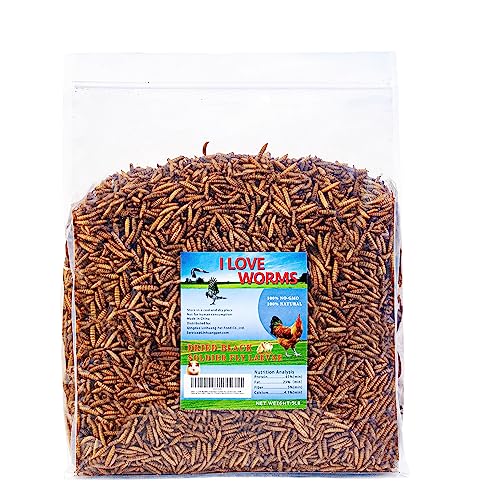
I LOVE WORMS Dried Black Soldier Fly Larvae, 5 lb
Calcium and protein rich treat to balance fruit
Nutrition and Benefits
Peaches are high in water, which makes them refreshing on hot days, and they bring vitamin A, vitamin C, potassium, and antioxidants to the table. Vitamin A supports vision, skin, and immune health, while the natural antioxidants help with general wellbeing. The orange flesh carries carotenoids, the same pigments that can gradually deepen yolk color when fruit like this is part of a varied treat rotation.
None of that makes peaches essential, since a complete layer ration already covers a hen's needs. Treat peaches as a wholesome seasonal bonus: hydrating, vitamin-rich, and genuinely popular, offered in the modest amounts that suit any sweet fruit.
How to Feed Peaches Safely
Feeding peaches comes down to one step that matters most: get the pit out. The flesh and skin are both safe, so once the stone is gone you can simply cut the fruit and share it.
- Always remove the pit, which contains cyanide-releasing amygdalin.
- Leave the skin on, since it is safe and full of fiber.
- Wash the fruit well to remove any pesticide residue.
- Cut into slices or chunks so the whole flock can share.
- Provide grit so birds can grind the fruit in the gizzard.
How Much Is Too Much
Peaches belong inside the 10 percent treat rule, with complete feed supplying the other 90 percent. A few small slices shared among the flock, a couple of times a week, is a good serving. Because peaches are sweet and watery, overfeeding can cause loose droppings and tempt hens to snack instead of eating their balanced ration. That complete feed provides the protein and calcium hens depend on for steady laying and strong shells, so it always has to remain the foundation.
| Peach Part | Verdict |
|---|---|
| Flesh | Yes, sweet and hydrating |
| Skin | Yes, safe and high in fiber |
| Pit | No, contains cyanide |
| Canned or dried | Limit, too much sugar |
Risks and Cautions
The pit is the one real hazard, and removing it solves the problem. After that, the cautions are the usual ones for sweet fruit: keep portions small to avoid loose droppings, and never feed moldy or fermenting peaches, which can grow toxins that harm poultry. Skip canned peaches in syrup and heavily sweetened dried versions. Stick with fresh, ripe, pitted fruit and always offer grit alongside it so birds can digest the flesh and skin.
For more on building a healthy treat rotation, see our guides on healthy chicken treats and what chickens can and cannot eat.
The Bottom Line
Peaches are a safe, hydrating, and well-loved treat for backyard chickens once the pit is removed. Feed the flesh and skin, wash the fruit, keep servings inside the 10 percent allowance, and avoid moldy fruit or sugary canned versions. Get the pit out and a ripe peach becomes a juicy, refreshing reward that helps your flock enjoy the best of summer.
Frequently Asked Questions
Is the peach pit poisonous to chickens?
Yes, the peach pit is the part to keep away from your flock. Like cherry and plum stones, the peach pit contains amygdalin, which releases cyanide when crushed or chewed. The soft flesh around it is completely safe, so the only rule is to remove the pit before feeding. A chicken would struggle to crack a large peach stone anyway, but removing it leaves no doubt and no risk.
Can chickens eat peach skin?
Yes, peach skin is safe and chickens will happily peck through it to reach the sweet flesh. The fuzzy skin holds fiber and some of the fruit's antioxidants, so there is no need to peel peaches before sharing them. Just wash the fruit well first, since peach skins can carry pesticide residue. Cut the peach into manageable pieces, leave the skin on, and let the flock enjoy it.
How much peach can a chicken eat?
Peaches are sweet and juicy, so a few small slices shared among the flock, a couple of times a week, is plenty. They count toward the 10 percent treat allowance, with complete feed making up the other 90 percent. Too much sugary fruit can cause loose droppings and lead birds to fill up instead of eating their balanced ration. Offer only what the flock cleans up quickly and remove any leftovers.
Can chickens eat canned or dried peaches?
Fresh is far better. Canned peaches are usually packed in heavy syrup loaded with added sugar, and dried peaches concentrate the natural sugar into a very sweet bite. Neither belongs in a flock's diet as a regular treat. If you only have canned peaches, rinse them well and offer a tiny amount, but the best choice by far is fresh, ripe peach flesh with the pit removed.
Can baby chicks eat peaches?
Wait until chicks are a few weeks old. Young chicks need the protein in starter feed far more than sugary fruit, and treats can crowd out that essential nutrition. If you give older chicks a small taste, use only pitted flesh chopped into tiny pieces and provide chick grit so they can digest it. For the first several weeks, keep chicks on starter feed and skip the extras entirely.
Will chickens eat overripe or rotten peaches?
They might try, but you should not allow it. Peaches turn soft and ferment quickly in warm weather, and rotting fruit can grow mold that produces toxins harmful to poultry. If a peach has gone mushy, smells boozy, or shows fuzzy mold, throw it in the trash rather than the run. Offer fresh, ripe fruit only and clear out any uneaten pieces before they spoil.
Need more help with your flock?
Browse our guides by topic to find practical solutions.
Keeper's Planner: $39