Can Chickens Eat Pears? A Backyard Keeper's Guide
Yes, chickens can eat pear flesh and skin in moderation. Learn why to remove the seeds, the nutrition, safe feeding, the right portions, and what to avoid.
Yes, chickens can eat pears in moderation, and the soft, sweet flesh makes an easy treat for the flock. The flesh and skin are both safe, but the core and seeds should come out, since pear seeds carry the same trace amygdalin found in apple seeds. The rule is simple: feed the flesh and skin, skip the seedy core, and keep portions modest because pears are a sugary fruit.
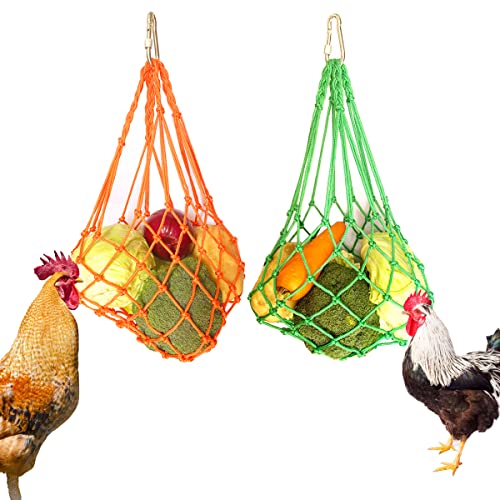
Here are a few feeders and treats that pair well with fruit and help keep the diet balanced.
Feeders and Treats for Your Flock

Manna Pro Chicken Grit with Probiotics, 5 lb
Crushed granite to help birds grind fruit and skins
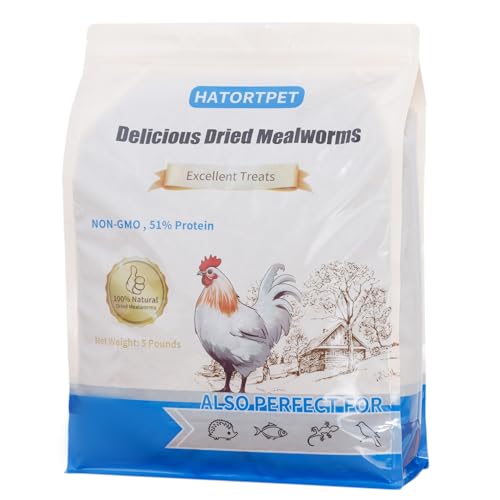
hatortpet Dried Mealworms, 5 lb
High-protein treat to balance out sugary fruit
Nutrition and Benefits
Pears bring a respectable mix of nutrients in a gentle, easy-to-eat package. They carry vitamin C, vitamin K, potassium, and a good amount of dietary fiber, along with a high water content that adds a little hydration. The fiber supports healthy digestion in modest amounts, and the antioxidants in the flesh and skin contribute to general wellbeing.
As with any fruit, pears are not a dietary requirement, since a complete feed already covers what hens need. Think of them as a soft, hydrating bonus treat that is gentle on the gut when offered in small servings and easy for older or recovering birds to peck apart.
How to Feed Pears Safely
Feeding pears is straightforward once you deal with the core. The flesh and skin are safe, but the seeds carry trace amygdalin, so cut around the middle and discard it.
- Remove the core and seeds before feeding.
- Leave the skin on, since it is safe and full of fiber.
- Wash the fruit well to remove any pesticide residue.
- Cut into small chunks so the whole flock can share.
- Provide grit so birds can grind the flesh and skin properly.
How Much Is Too Much
Pears fall under the 10 percent treat rule, with complete layer feed making up the other 90 percent. A few small chunks shared among the flock, a couple of times a week, is a sensible portion. Because pears are soft and sugary, overfeeding can cause loose droppings and lead birds to snack instead of eating their balanced ration. That complete feed supplies the protein and calcium hens depend on for steady laying and strong shells, so it always has to stay the foundation of the diet.
| Pear Part | Verdict |
|---|---|
| Flesh | Yes, soft and hydrating |
| Skin | Yes, safe and high in fiber |
| Core and seeds | No, seeds carry trace amygdalin |
| Canned or dried | Limit, too much sugar |
Risks and Cautions
The seeds are the only part to remove, and cutting out the core handles that. Beyond it, treat pears like any sweet fruit: keep portions small to avoid loose droppings, and never feed moldy or fermenting fruit, which can harbor toxins that harm poultry. Soft, overripe pears spoil fast in warm weather, so clear out leftovers promptly. Skip canned pears in syrup and overly sweet dried versions, and always offer grit so birds can grind the flesh and skin.
For more on building a healthy treat rotation, see our guides on healthy chicken treats and what chickens can and cannot eat.
The Bottom Line
Pears are a safe, gentle, and hydrating treat for backyard chickens when you remove the core and seeds first. Feed the flesh and skin, wash the fruit, keep servings inside the 10 percent allowance, and avoid moldy or heavily sweetened versions. Soft and easy to peck, a few chunks of ripe pear make a pleasant treat the whole flock can enjoy.
Frequently Asked Questions
Can chickens eat pear seeds and cores?
It is best to remove the core and seeds. Pear seeds, like apple seeds, contain trace amygdalin that can release small amounts of cyanide when crushed. A seed or two is unlikely to harm a hen, but there is no reason to take the chance. Cut around the core, discard the seeds, and offer the flesh and skin. The good part of the pear is harmless, so just skip the seedy middle.
Can chickens eat pear skin?
Yes, pear skin is safe and chickens enjoy pecking through it to reach the soft flesh. The skin holds fiber and many of the fruit's antioxidants, so there is no need to peel pears before sharing them. Wash the fruit well first, since pear skins can carry pesticide residue. Cut the pear into pieces, leave the skin on, remove the core, and let the flock dig in.
How much pear can a chicken eat?
Pears are sweet and soft, so a few small chunks shared among the flock, a couple of times a week, is a sensible amount. They count toward the 10 percent treat allowance, with complete feed making up the rest. Too much sugary fruit can cause loose droppings and lead birds to fill up instead of eating their balanced ration. Offer only what the flock cleans up quickly and clear away leftovers.
Can chickens eat canned or dried pears?
Fresh is the better choice by far. Canned pears are usually packed in sugary syrup, and dried pears concentrate the natural sugar into a very sweet bite, so both are easy to overfeed. If all you have is canned, rinse the pieces well and offer only a tiny amount. For everyday treats, stick to fresh, ripe pear flesh and skin with the core and seeds removed.
Can baby chicks eat pears?
Wait until chicks are a few weeks old. Young chicks need the concentrated protein in starter feed far more than sugary fruit, and treats can crowd out that nutrition. If you give older chicks a taste, mash or finely chop a small piece of cored flesh and provide chick grit so they can digest it. For the first several weeks, keep chicks on starter feed and skip the extras.
Do chickens like pears?
Many do, especially when the pear is ripe and soft enough to peck apart easily. Pears are a little less exciting than berries or melon for some flocks, but most birds will happily work through a few chunks. The soft texture makes them easy to eat, which is also a reason to keep portions in check. Cut the fruit small, remove the core, and scatter pieces so everyone gets a share.
Need more help with your flock?
Browse our guides by topic to find practical solutions.
Keeper's Planner: $39