Can Chickens Eat Pineapple? Safety and Portions
Yes, chickens can eat pineapple flesh in moderation, but skip the skin and core. Learn the nutrition, why to cut it small, the right portions, and what to avoid.
Yes, chickens can eat pineapple in moderation, but it comes with more caveats than most fruits. The soft inner flesh is safe and many birds enjoy it, yet pineapple is both sugary and acidic, and its long fibers can be tricky to digest. The skin and core should be skipped entirely. The rule here is to feed small cubes of flesh only, keep it occasional, and always offer grit alongside.
Here are a few feeders and treats that pair well with fruit and help keep the diet balanced.
Feeders and Treats for Your Flock
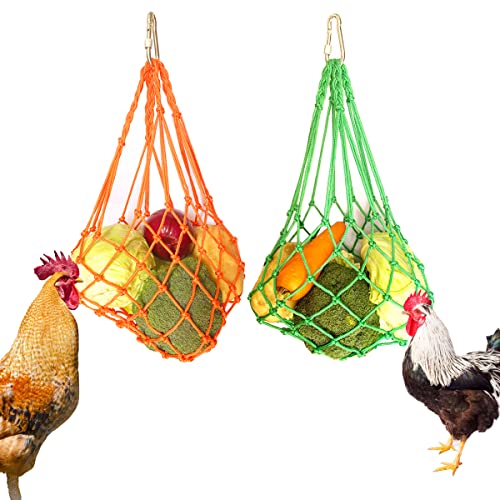

Manna Pro Chicken Grit with Probiotics, 5 lb
Crushed granite to help birds grind fibrous fruit
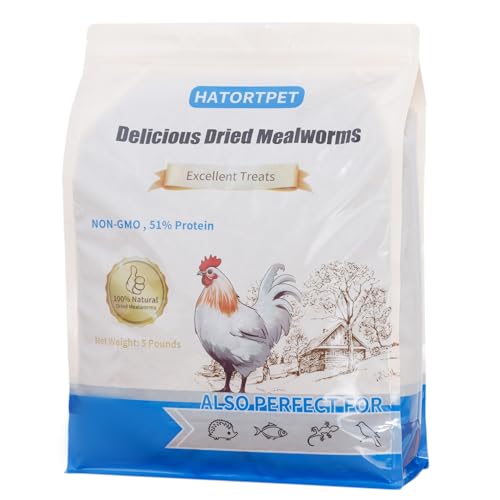
hatortpet Dried Mealworms, 5 lb
High-protein treat to balance out sugary fruit
Nutrition and Benefits
Pineapple does bring some genuine perks. It is high in vitamin C and manganese, carries a good dose of antioxidants, and contains bromelain, an enzyme that helps break down protein. The fruit is also high in water, so a few cubes add a little hydration on a hot day. Those nutrients support general health when pineapple is part of a varied treat rotation.
The flip side is that pineapple is sweeter and more acidic than most fruits, and the flesh is stringy. So while the nutrition is real, it has to be weighed against the need to keep servings small. Pineapple is best treated as an occasional novelty rather than a staple, since a complete feed already covers a hen's core needs.
How to Feed Pineapple Safely
Preparation matters more with pineapple than with softer fruits. The goal is to remove the tough parts and break the fibers down into manageable pieces.
- Remove the spiny skin and the dense central core.
- Cut the soft flesh into small, bite-size cubes.
- Offer only a little, since pineapple is sugary and acidic.
- Provide grit so birds can grind the fibrous flesh.
- Make sure fresh water is always available alongside it.
How Much Is Too Much
Pineapple counts toward the 10 percent treat rule, with complete feed supplying the other 90 percent, and it sits at the cautious end of that allowance. A few small cubes per bird, no more than once or twice a week, is plenty. Because pineapple is both sweet and acidic, larger servings can cause loose droppings and digestive upset more readily than milder fruits. The complete ration is what supplies the protein and calcium hens depend on for steady laying and strong shells, so it always has to stay the foundation.
| Pineapple Part | Verdict |
|---|---|
| Flesh, cut small | Yes, in small amounts |
| Skin | No, tough and spiny |
| Core | No, dense and fibrous |
| Canned in syrup | No, too much added sugar |
Risks and Cautions
Pineapple's main risks are its sugar, its acidity, and its fibers. Large servings can loosen droppings and upset digestion, while long, stringy fibers from the flesh, skin, or core can contribute to crop impaction if birds gulp big pieces. Cutting the flesh small and skipping the skin and core handles most of that. Avoid canned pineapple in syrup, never feed moldy or fermenting fruit, and always provide grit and fresh water so birds can process the treat comfortably.
For more on building a healthy treat rotation, see our guides on healthy chicken treats and what chickens can and cannot eat.
The Bottom Line
Pineapple is a safe occasional treat for backyard chickens when you feed only small cubes of the soft flesh and skip the skin and core. Keep servings tiny because the fruit is sugary and acidic, cut it small to tame the fibers, and always offer grit and water. Handled this way, a little pineapple makes a fun, hydrating novelty without upsetting your flock's digestion.
Frequently Asked Questions
Can chickens eat pineapple skin and core?
It is best to skip both. Pineapple skin is spiny and tough, and the central core is dense and fibrous, so neither breaks down easily in a chicken's gizzard. Long, stringy fibers can also tangle in the crop and contribute to impaction. Stick to the soft inner flesh, cut into small pieces, and compost the skin and core rather than tossing them into the run.
Why does pineapple need to be cut into small pieces?
Pineapple flesh is fibrous, and those long strings can be hard for chickens to swallow and digest. Cutting the flesh into small, bite-size cubes breaks up the fibers so birds can manage them without risk of crop trouble. Small pieces also help the treat go further across the flock instead of one hen grabbing a big stringy chunk. Always offer grit alongside it to aid digestion.
How much pineapple can a chicken eat?
Pineapple is both sugary and acidic, so keep servings small: a few little cubes per bird, no more than once or twice a week. It counts toward the 10 percent treat allowance, with complete feed making up the rest. Too much sugary, acidic fruit can cause loose droppings and digestive upset, so treat pineapple as an occasional novelty rather than a regular part of the diet.
Can chickens eat canned pineapple?
Fresh is much better. Canned pineapple is usually packed in heavy syrup or juice with added sugar, which makes an already sweet fruit even harder to feed responsibly. If you only have canned, rinse the pieces thoroughly and offer just a tiny amount. For everyday treats, stick to small cubes of fresh pineapple flesh with the skin and core removed.
Is the acid in pineapple bad for chickens?
In small amounts the acid is not harmful, but it is a reason to keep portions modest. Pineapple is one of the more acidic fruits, and large servings can upset a chicken's digestion and loosen droppings. A few small cubes now and then will not cause problems for a healthy bird. Just avoid making acidic, sugary fruit a frequent treat, and always pair it with grit and plenty of fresh water.
Can baby chicks eat pineapple?
Hold off until chicks are older. Young chicks need the protein in starter feed far more than fibrous, sugary fruit, and pineapple's tough strings are not ideal for tiny digestive systems. If you give older chicks a taste, finely chop a small piece of soft flesh and provide chick grit. For the first several weeks, keep chicks on starter feed and save pineapple for grown birds.
Need more help with your flock?
Browse our guides by topic to find practical solutions.
Keeper's Planner: $39