Can Chickens Eat Raisins? Yes, in Tiny Amounts
Yes, chickens can eat raisins in small amounts. They are safe for poultry, unlike dogs, but very high in sugar. Learn safe portions, training uses, and cautions.
Yes, chickens can eat raisins, but only in tiny amounts. Here is the key point that surprises a lot of new keepers: raisins and grapes are toxic to dogs, yet they are safe for chickens. The real issue with raisins is not poison, it is sugar. As dried grapes, they pack the sweetness of several grapes into one chewy bite, so the rule is to use them sparingly as a high-value treat, never as an everyday snack.
Here are a few feeders and treats that pair well with fruit and help keep the diet balanced.
Feeders and Treats for Your Flock
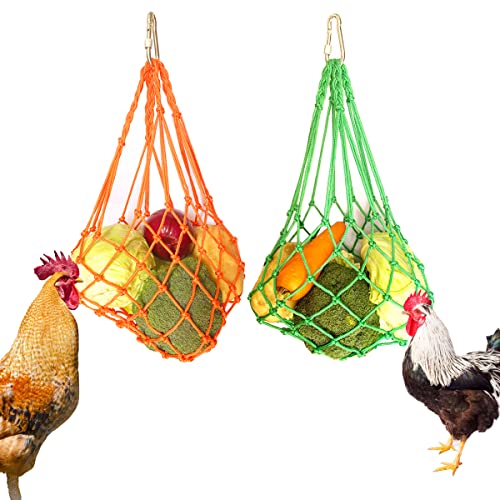

Acellegic Chicken Treat Dispenser Ball, 2 Pack
Slow-feed pecking toy to make treats last and ease boredom
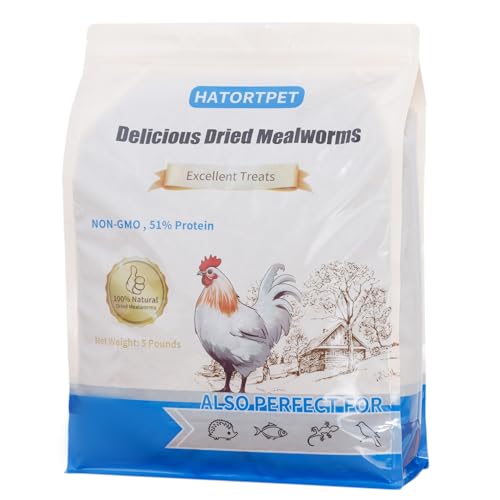
hatortpet Dried Mealworms, 5 lb
High-protein training treat to use instead of sugar
Nutrition and Benefits
Raisins carry the same basic nutrients as the grapes they come from, including some antioxidants, potassium, and trace minerals. Because they are dried, those nutrients are concentrated, but so is the natural sugar, which dominates everything else. That concentration is what makes raisins such an effective training treat: birds find them irresistible, and a single raisin delivers a big flavor reward.
The honest takeaway is that raisins are not a health food for chickens. They are a treat in the truest sense, valued more for how much birds love them than for any nutritional need, since a complete feed already covers what a hen requires. Fresh grapes, with their high water content, are the better everyday choice when you want to share something from the vine.
How to Feed Raisins Safely
The whole approach to raisins is restraint. A little goes a long way, so the focus is on small portions and easy swallowing.
- Offer only a couple of raisins per bird, and only occasionally.
- Soak them in water for a few minutes to soften, especially for small breeds.
- Use them as a high-value reward for training and taming.
- Choose plain raisins over sweetened or oil-coated mixes.
- Make sure fresh water and grit are always available.
How Much Is Too Much
Raisins sit firmly inside the 10 percent treat rule, and because they are so concentrated they take up that allowance fast. A couple of raisins per bird, given now and then, is the sensible limit. Overfeeding sugary dried fruit can cause loose droppings and lead birds to lose interest in their complete feed, which is the ration that supplies the protein and calcium hens need for steady laying and strong shells. Keep raisins rare and that balanced feed stays the clear foundation of the diet.
| Form | Verdict |
|---|---|
| A few plain raisins | Yes, occasional treat |
| Soaked raisins | Yes, softer and easier to swallow |
| Large or frequent servings | No, too much sugar |
| Sweetened or yogurt-coated | No, added sugar and coatings |
Risks and Cautions
Unlike with dogs, the risk to chickens is not toxicity but sugar overload. Too many raisins can loosen droppings and crowd out the balanced feed birds depend on. The chewy, dry texture can also be a choking hazard for smaller birds, which is why soaking helps. Steer clear of yogurt-coated, sweetened, or oil-treated raisins and dried-fruit mixes with added ingredients. Stick to a few plain raisins, keep fresh water and grit on hand, and they stay a safe, effective treat.
For more on building a healthy treat rotation, see our guides on healthy chicken treats and what chickens can and cannot eat.
The Bottom Line
Raisins are safe for chickens in tiny amounts, despite being toxic to dogs, but their concentrated sugar means they should stay a rare, high-value treat. Offer just a couple per bird, soak them to soften, use them for training, and lean on fresh grapes for everyday sharing. Kept small and occasional, raisins are a handy reward that flocks adore without throwing off their balanced diet.
Frequently Asked Questions
Are raisins toxic to chickens?
No, raisins are not toxic to chickens the way they are to dogs. Grapes and raisins can cause kidney problems in dogs, but chickens do not share that sensitivity, and small amounts are considered safe for poultry. The real concern with raisins is sugar, not poisoning. They are simply very concentrated, so the rule is to feed them sparingly as an occasional high-value treat rather than worry about toxicity.
How many raisins can a chicken eat?
Just a few. Raisins are dried grapes, so the sugar of several grapes is packed into one small bite, which makes them very easy to overfeed. A couple of raisins per bird, offered occasionally, is plenty. They count toward the 10 percent treat allowance, with complete feed making up the rest. Use raisins as a rare, high-value reward rather than an everyday snack to keep the sugar in check.
Are raisins good for training chickens?
Yes, raisins are excellent for training and taming because they are sweet, easy to carry, and birds love them. Their high value makes them ideal for teaching a flock to come when called or for building trust with a nervous hen. Because they are so concentrated, a single raisin goes a long way as a reward. Just keep the total small so the training treats do not add up to too much sugar.
Should I soak raisins before feeding them?
Soaking is optional but helpful. Raisins are dry and chewy, and soaking them in water for a few minutes plumps them up, making them softer and easier for birds to swallow, especially smaller breeds. Soaked raisins also add a touch of hydration. If you offer them dry, just keep the pieces small and make sure fresh water is available so birds can wash them down comfortably.
Can baby chicks eat raisins?
It is best to wait. Young chicks need the protein in starter feed far more than concentrated sugar, and a chewy raisin can be a choking hazard for a tiny bird. If you give older chicks a taste, chop a soaked raisin into small pieces and provide chick grit so they can digest it. For the first several weeks, keep chicks on starter feed and save raisins for grown birds.
Can chickens eat raisins with other dried fruit?
Mixed dried fruit is fine in tiny amounts, but read the label first. Many store mixes add sugar, oils, or preservatives, and some include ingredients you would not want to feed. Plain raisins or unsweetened dried fruit in a small quantity are the safest choice. Whatever the mix, keep the serving inside the overall 10 percent treat allowance, since all dried fruit is concentrated and easy to overdo.
Need more help with your flock?
Browse our guides by topic to find practical solutions.
Keeper's Planner: $39