Can Chickens Eat Tomatoes? Safe Parts and Risks
Yes, chickens can eat ripe tomatoes in moderation. Learn which parts are safe, why green tomatoes and leaves are toxic, and how to feed tomatoes the right way.
Yes, chickens can eat tomatoes in moderation. Ripe flesh is safe and nutritious, but avoid the leaves, stems, and unripe green fruit, which contain solanine. Get that one rule right and tomatoes become a healthy, hydrating treat that most flocks adore, especially in summer when garden tomatoes are everywhere and a few cracked or overripe ones always need a home.
Below are some practical tools for offering tomatoes and other produce without turning the run into a muddy mess, followed by everything you need to know about feeding tomatoes safely.
Helpful Treats and Feeders
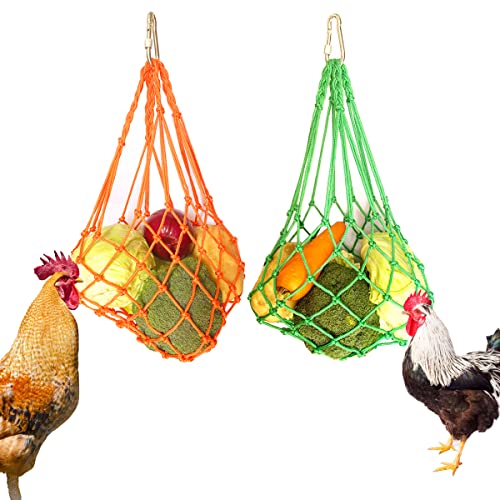
CooShou Vegetable String Bag Treat Holder
Hang a whole tomato or veggie so the flock pecks without waste
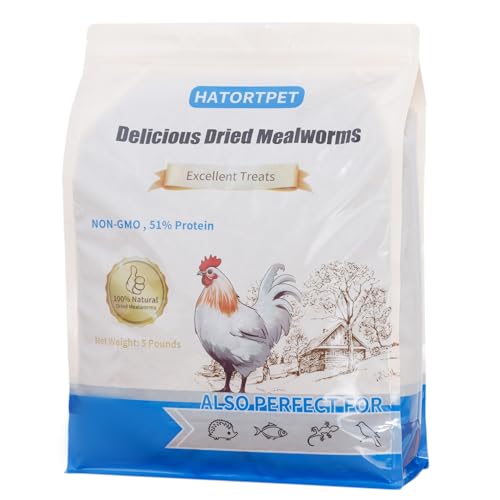
hatortpet Dried Mealworms, 5 lb
High-protein treat to balance watery fruit and veg
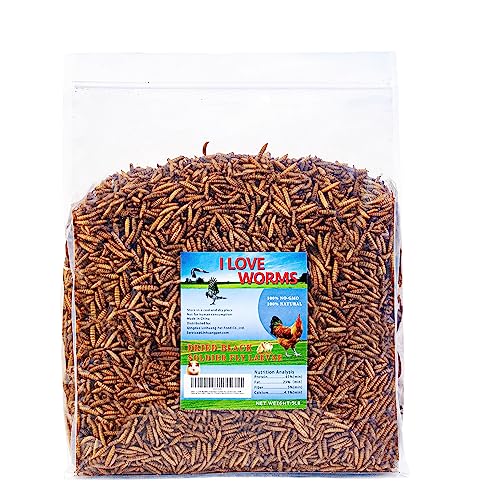
I LOVE WORMS Dried Black Soldier Fly Larvae
Protein plus calcium for strong shells alongside treats
The Nightshade Catch: Why Some Parts Are Off Limits
Tomatoes belong to the nightshade family, the same group as potatoes, peppers, and eggplant. The plants produce solanine and a related compound, tomatine, as a natural defense against pests. These alkaloids are concentrated in the green parts of the plant: the leaves, stems, vines, flowers, and the unripe green fruit. As a tomato ripens and turns red, the solanine in the fruit breaks down to negligible levels, which is why ripe flesh is safe while green tomatoes are not.
In practice, most chickens will not gorge on bitter tomato foliage, and a stray nibble is unlikely to hurt a healthy bird. Still, the safe approach is to keep your flock out of the tomato patch and only ever offer fully ripe, red fruit. If you grow tomatoes in your garden, a low fence or netting around the bed protects both the plants and your birds.
Nutrition and Benefits
Ripe tomatoes are more than just a watery snack. They deliver vitamin C for immune support, vitamin A for vision and reproductive health, vitamin K, potassium, and folate. They are also rich in lycopene, the antioxidant that gives tomatoes their red color and that may support overall cell health. The high water content, around 95 percent, makes tomatoes a useful way to add hydration on hot days when birds are panting and reluctant to eat.
Those same carotenoids can give your egg yolks a slightly richer orange tint over time, a small bonus that fans of deep golden yolks appreciate. None of this replaces a complete feed, but as an occasional extra, tomatoes earn their place.
How to Feed Tomatoes to Your Flock
Feeding tomatoes is simple. Choose ripe, red fruit and give it a quick rinse to remove any garden residue. Slice the tomato in half or into wedges so birds can reach the soft gel and seeds inside, or set a whole tomato in a treat holder and let the flock chase it around. Cherry tomatoes can be offered whole to standard hens, though halving them is safer for smaller breeds and bantams.
- Offer only fully ripe, red tomatoes, never green ones.
- Wash off any dirt or spray residue first.
- Halve or quarter larger tomatoes so birds can get inside.
- Remove uneaten tomato within a day so it does not rot or attract flies.
- Always keep insoluble grit available so birds can digest skins and seeds.
How Much Is Too Much
The golden rule for any treat is the 10 percent guideline: treats, scraps, and extras combined should make up no more than about 10 percent of the daily diet, with complete feed making up the rest. For tomatoes, that means a few slices or one small tomato shared among several hens, a couple of times a week. Because tomatoes are acidic and very watery, overfeeding can cause loose droppings and, over time, dilute the balanced nutrition your flock needs for laying and feathering.
| Tomato Part | Safe to Feed? |
|---|---|
| Ripe red flesh | Yes, in moderation |
| Seeds and gel | Yes |
| Ripe skin | Yes |
| Unripe green fruit | No, contains solanine |
| Leaves, stems, vines | No, toxic |
Risks and Cautions
Beyond the green parts, the main risks with tomatoes are minor and easy to manage. Watery, acidic treats fed in excess can upset digestion and produce runny droppings, which is a sign to cut back. Always pair fruit and vegetable treats with grit, since the gizzard needs it to grind everything down. And as with all fresh foods, remove leftovers promptly. Moldy, rotting produce can harbor toxins that are far more dangerous than a green tomato ever would be.
For a fuller picture of which kitchen and garden foods are safe, see our guide on what chickens can and cannot eat and our roundup of healthy chicken treats.
The Bottom Line
Ripe tomatoes are a safe, nutritious, and genuinely loved treat for backyard chickens. Stick to red, fully ripened fruit, keep birds away from the green plant and unripe tomatoes, offer them in moderation within the 10 percent rule, and always provide grit. Do that and those end-of-season garden tomatoes that are too soft for the kitchen will turn into happy, healthy snacks for your flock instead of going to waste.
Frequently Asked Questions
Can chickens eat raw tomatoes?
Yes, chickens can eat raw ripe tomatoes, and most flocks love them. The red, fully ripened flesh is safe, hydrating, and packed with vitamins. Simply wash the tomato, slice it open so birds can get at the soft insides, and offer it as part of the 10 percent treat allowance. Avoid feeding unripe green tomatoes, which contain higher levels of solanine, a natural toxin found throughout the nightshade family.
Are tomato plants poisonous to chickens?
Yes, the green parts of the tomato plant are mildly toxic. Leaves, stems, vines, and flowers all contain solanine and tomatine, alkaloids that can cause digestive upset and, in large amounts, more serious symptoms. Most chickens instinctively avoid bitter foliage, but it is wise to fence tomato plants off or keep ranging birds away from your garden beds. The ripe fruit itself is the only part you should deliberately feed.
Can chickens eat tomato seeds and skins?
Yes, tomato seeds and skins from ripe fruit are perfectly safe for chickens. Unlike apple or stone fruit seeds, tomato seeds contain no harmful compounds, so there is no need to remove them. The skin is thin and easy for birds to peck through. Offering tomatoes whole or halved lets the flock pick at seeds, gel, and flesh together, which provides good enrichment and a little extra fiber.
How many tomatoes can a chicken eat?
Tomatoes should stay within the 10 percent treat rule, so a few slices or a small halved tomato shared among several hens is plenty. Tomatoes are watery and slightly acidic, and overfeeding can lead to loose droppings or crowd out the complete feed that supplies balanced protein and calcium. A good guide is to offer only what the flock cleans up in 10 to 15 minutes, a couple of times a week.
Do tomatoes affect egg laying?
Tomatoes in moderation do not harm laying and can support it, since they supply vitamins A and C and antioxidants like lycopene. The carotenoids in tomatoes can even deepen yolk color slightly. Problems only arise if tomatoes or other treats replace too much complete layer feed, which would dilute the protein and calcium hens need for steady laying and strong shells. Keep tomatoes as an extra, not a meal.
Can baby chicks eat tomatoes?
It is best to wait until chicks are several weeks old before offering tomato. Young chicks need the concentrated protein in starter feed, and their digestive systems handle treats poorly. If you do give a tiny taste of ripe tomato flesh to older chicks, chop it finely and always provide chick grit so they can grind it. Until then, keep chicks on a complete starter ration and skip the treats.
Need more help with your flock?
Browse our guides by topic to find practical solutions.
Keeper's Planner: $39