Can Chickens Eat Watermelon? A Summer Favorite
Yes, chickens can eat watermelon, flesh, rind, and seeds. Learn why it is a great hot-weather treat, how much to feed, and the simple cautions to keep in mind.
Yes, chickens can eat watermelon, and it is one of the best summer treats around. The flesh, rind, and seeds are all safe, and at roughly 92 percent water, watermelon is a fantastic way to keep your flock hydrated during a heat wave. The only real rule is moderation, since too much watery fruit can loosen droppings.
Below are a few feeders and treats that pair well with juicy summer produce, including high-protein options to keep the overall diet in balance.
Great Treats for Summer Flocks
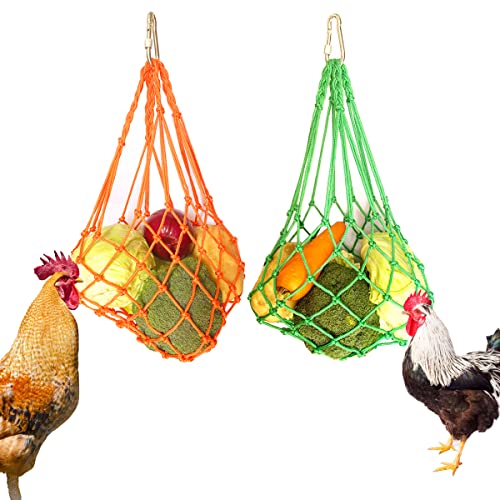
CooShou Vegetable String Bag Treat Holder
Hang melon, greens, and produce for mess-free pecking
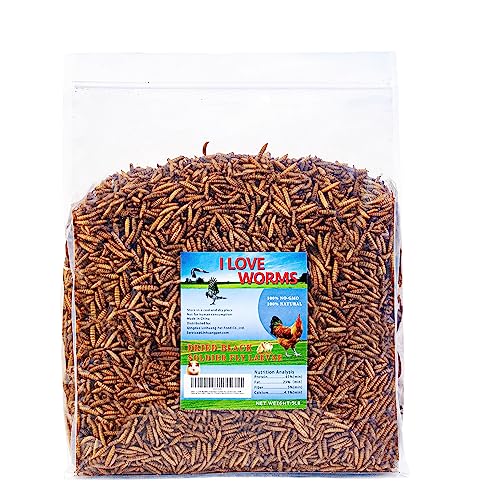
I LOVE WORMS Dried Black Soldier Fly Larvae
Protein plus calcium to balance watery summer treats
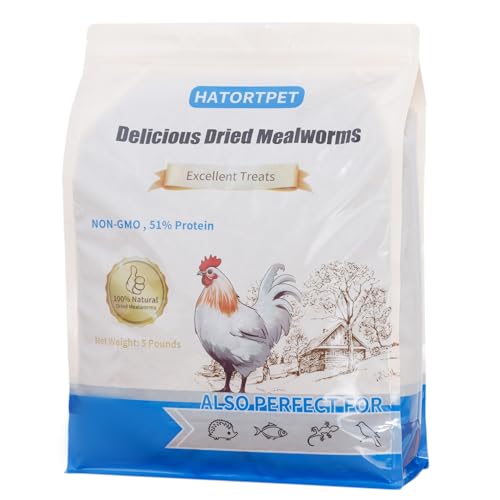
hatortpet Dried Mealworms, 5 lb
High-protein favorite to round out a fruit-heavy treat day
Nutrition and Benefits
Watermelon is mostly water, which is exactly what makes it valuable in summer. Chickens cope poorly with heat, and a hydrating treat helps them keep cool and keep drinking when high temperatures kill their appetite. Beyond water, watermelon supplies vitamin A and vitamin C for immune and eye health, vitamin B6, potassium, and lycopene, the same antioxidant that makes tomatoes red. The flesh, the soft inner rind, and the seeds all add a little fiber and variety to the flock's day.
That combination of hydration, vitamins, and irresistible sweetness is why watermelon ranks near the top of many keepers' summer treat lists. Frozen, it doubles as a cooling activity that keeps a bored, overheated flock busy.
How to Feed Watermelon
Feeding watermelon is easy and a little entertaining. Cut it into slices, chunks, or simply set out a scooped half rind that becomes a natural bowl. Birds will attack the red flesh first, then work on the pale inner rind for hours. On a scorching afternoon, chill the slices in the fridge or freeze chunks for built-in heat relief.
- Offer slices, chunks, or a scooped half rind.
- Seeded or seedless both work, seeds are safe.
- Chill or freeze it for hot-day cooling.
- Remove leftover rind within a day so it does not rot or draw pests.
- Keep grit available for grinding seeds and rind.
How Much Watermelon Is Right
Watermelon is healthy, but it still counts toward the 10 percent treat allowance, with complete feed making up the other 90 percent. A few slices or a half rind shared among the flock, a few times a week, hits the mark. Because it is so watery, the main sign of overfeeding is loose droppings, sometimes tinted pink from the pigment, which is harmless. If you see that, just scale back and the flock will firm up within a day.
| Watermelon Part | Verdict |
|---|---|
| Red flesh | Yes, flock favorite |
| Inner rind | Yes, good for pecking |
| Seeds | Safe |
| Tough green skin | Usually left behind |
Risks and Cautions
Watermelon is about as low-risk as treats get. The only things to watch are overfeeding, which loosens droppings, and leftover rind, which can rot and attract flies or rodents if you leave it in the run. Always pair watery treats with grit so the gizzard works properly. And remember that watermelon, healthy as it is, cannot replace complete feed. Treats that crowd out the balanced ration will eventually show up as weaker shells and lower laying.
For more summer feeding ideas, see our guides on healthy chicken treats and what chickens can and cannot eat.
The Bottom Line
Watermelon is a safe, hydrating, much-loved treat, and one of the smartest ways to help your flock through hot weather. Feed the flesh, soft rind, and seeds freely within the 10 percent rule, chill or freeze it for cooling relief, remove leftovers, and keep grit on hand. Do that and watermelon becomes a reliable summer highlight that keeps your chickens cool, hydrated, and happy.
Frequently Asked Questions
Can chickens eat watermelon rind?
Yes, chickens can eat watermelon rind, and it gives them something to peck at long after the sweet flesh is gone. The pale inner rind is softer and more appealing than the tough green outer skin, which birds usually leave behind. Setting out a scooped-out half rind turns it into a natural feeding bowl the flock will work on for hours. Just remove the rind before it rots and attracts pests.
Are watermelon seeds safe for chickens?
Yes, watermelon seeds are completely safe for chickens. Both the soft white seeds and the mature black seeds can be eaten without any problem, and there is no need to pick them out before serving. Seeded or seedless watermelon both work fine. As with any treat, make sure grit is available so the gizzard can grind the seeds and flesh down for proper digestion.
Is watermelon good for chickens in hot weather?
Yes, watermelon is one of the best hot-weather treats you can offer. At roughly 92 percent water, it helps chickens stay hydrated when heat suppresses their appetite and raises the risk of heat stress. Many keepers chill or freeze watermelon and set it out on the hottest afternoons as cooling relief. Chickens handle cold far better than heat, so hydrating treats like watermelon are a simple, welcome summer help.
How much watermelon can chickens have?
Even though watermelon is healthy, it still falls under the 10 percent treat rule, so offer it as a supplement rather than a meal. A few slices or a scooped half rind shared among the flock, a few times a week, is plenty. Because it is so watery, overfeeding can cause loose droppings. If you notice runny stools, simply cut back and the flock will settle within a day.
Will watermelon turn my chickens' droppings red?
It can, and it is nothing to worry about. The deep red pigment in watermelon, along with the high water content, can temporarily tint droppings pink or red and make them looser than usual. This is harmless and passes once the watermelon is digested. Genuine concern is only warranted if you see blood in droppings without any red treats in the diet, which can signal coccidiosis or injury.
Can baby chicks eat watermelon?
It is best to wait until chicks are a few weeks old before offering watermelon. Chicks need the concentrated protein in starter feed, and too much watery fruit can fill them up and cause loose droppings. If you give older chicks a small taste, chop the flesh finely and provide chick grit. For the first weeks of life, keep chicks on complete starter feed and hold off on treats.
Need more help with your flock?
Browse our guides by topic to find practical solutions.
Keeper's Planner: $39