Can Chickens Eat Yogurt? Plain Dairy in Moderation
Chickens can eat small amounts of plain yogurt occasionally. Learn why dairy is debated, which yogurt is safest, probiotic benefits, portions, and what to avoid.
Chickens can eat yogurt, but only plain, unsweetened yogurt in small amounts, and even then it is debated. Yogurt is still dairy, and chickens produce little lactase, so they do not handle lactose well. Fermentation makes yogurt gentler than milk and adds probiotics, yet too much still causes loose droppings. The verdict: a spoonful of plain yogurt now and then is fine, but it is an occasional treat, not a daily supplement.
Here are a few treats that pair well with a varied rotation and help keep the diet balanced.
Treats for Your Flock
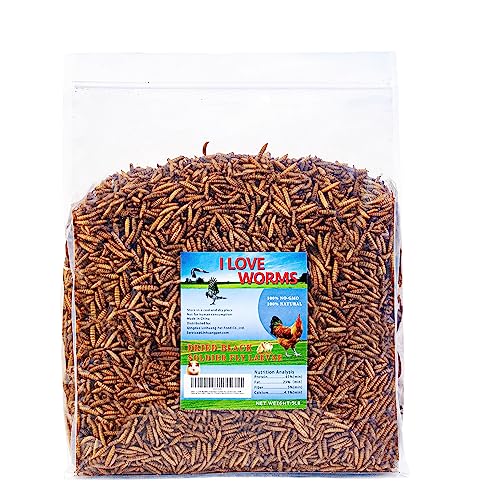
I LOVE WORMS Dried Black Soldier Fly Larvae, 5 lb
Calcium and protein rich treat that is easy to digest

Manna Pro Chicken Grit with Probiotics, 5 lb
Crushed granite with probiotics to support digestion
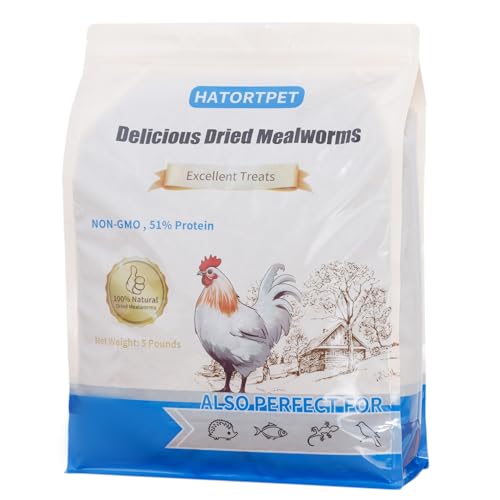
hatortpet Dried Mealworms, 5 lb
High-protein treat birds love, no dairy needed
Nutrition and Benefits
Yogurt brings protein, calcium, and live probiotic cultures, and it is those cultures that earn it a place in many keepers' treat rotations. The probiotics may offer a modest boost to gut health, and the calcium is a minor plus for laying hens, though oyster shell remains the better and safer calcium source. Because fermentation breaks down some of the lactose, plain yogurt is easier on a chicken's digestion than fresh milk.
Still, the benefits are modest and come with the same dairy downside as cheese. If gut health is the goal, a purpose-made poultry probiotic or fermented feed does the job more reliably without the lactose. So yogurt is a pleasant occasional treat rather than an essential one, especially alongside a complete feed.
How to Feed Yogurt Safely
The keys with yogurt are choosing plain and keeping the amount small.
- Use only plain, unsweetened yogurt, with Greek yogurt a good low-lactose pick.
- Avoid flavored, sweetened, and fruit-added yogurts entirely.
- Never offer yogurt with artificial sweeteners.
- Offer a small spoonful, mixed into feed or scattered over a treat.
- Provide grit and fresh water, and remove leftovers before they spoil.
How Much Is Too Much
Yogurt counts toward the 10 percent treat rule, and because dairy is hard for chickens to digest, it belongs at the cautious end of that allowance. A spoonful of plain yogurt shared among the flock, only occasionally, is the right amount. Larger or frequent servings can cause loose droppings as the undigested lactose moves through. The complete ration is what supplies the protein and calcium hens depend on for steady laying and strong shells, so it always has to remain the foundation of the diet.
| Yogurt Type | Verdict |
|---|---|
| Plain unsweetened, small amount | Occasional treat |
| Greek yogurt, plain | Occasional, lower in lactose |
| Flavored or sweetened | No, added sugar |
| Artificially sweetened | No, avoid entirely |
Risks and Cautions
The main risk with yogurt is loose droppings, since chickens do not digest lactose well and dairy passes through partly unbroken. Keeping servings small and infrequent prevents most trouble. Never feed sweetened or flavored yogurts, and avoid anything with artificial sweeteners. Dairy also spoils fast, so remove leftovers from the run promptly, especially in warm weather. If loose droppings persist or a bird shows other signs of illness, stop the dairy and contact a poultry or avian vet.
For more on building a healthy treat rotation, see our guides on healthy chicken treats and what chickens can and cannot eat.
The Bottom Line
Yogurt is safe for chickens as a small, occasional treat when it is plain and unsweetened. The probiotics offer a modest benefit, but the lactose means dairy should stay rare to avoid loose droppings, and a poultry probiotic is a better choice for ongoing gut support. Offer a spoonful of plain yogurt now and then, skip anything sweetened, and let complete feed and gentler treats carry the everyday diet.
Frequently Asked Questions
Is yogurt safe for chickens?
Yogurt is safe in small amounts, but it is debated among keepers because it is still a dairy product. Chickens produce little lactase, so they do not digest the lactose in dairy well. Yogurt is somewhat easier on their gut than milk because fermentation reduces lactose and adds probiotics, but too much can still cause loose droppings. A spoonful of plain, unsweetened yogurt now and then is the safe approach.
What kind of yogurt should I feed chickens?
Only plain, unsweetened yogurt. Greek yogurt works well because it tends to be thicker and lower in lactose. Avoid flavored, fruit-on-the-bottom, and sweetened yogurts entirely, since the added sugar is bad for chickens, and skip anything with artificial sweeteners. Read the label and choose the simplest option you can find. Plain yogurt with live cultures is the only kind worth offering, and even then only in small servings.
Do the probiotics in yogurt help chickens?
The live cultures in yogurt may offer a modest gut-health benefit, which is part of why some keepers like it as an occasional treat. That said, a purpose-made poultry probiotic or fermented feed is a more reliable way to support gut health without the lactose that comes with dairy. If you want the probiotic angle without the digestive downside, those products are a better long-term choice than yogurt.
How much yogurt can a chicken eat?
Only a little. A spoonful of plain yogurt shared among the flock, occasionally, is plenty. Yogurt counts toward the 10 percent treat allowance, with complete feed making up the rest. Because dairy is hard for chickens to digest, larger or frequent servings can cause loose droppings. Offer a small amount, see how the flock handles it, and remove any leftovers promptly so dairy does not sit and spoil in the run.
Can baby chicks eat yogurt?
It is best to avoid it. Young chicks need the balanced protein in starter feed, and their digestive systems handle dairy poorly. While a tiny dab of plain yogurt is sometimes suggested for chicks recovering from pasty butt, it is better to rely on proper starter feed and a poultry probiotic. For the first several weeks, keep chicks on starter and consult a vet or extension office if a chick is unwell.
Should I worry about loose droppings after feeding yogurt?
A little loosening after a dairy treat is common and usually passes quickly. Because chickens do not digest lactose well, even plain yogurt can produce runnier droppings, especially if you offer too much. Keeping servings tiny and infrequent prevents most issues. If loose droppings persist, are bloody, or come with other signs of illness, stop the dairy and contact a poultry or avian vet to rule out other causes.
Need more help with your flock?
Browse our guides by topic to find practical solutions.
Keeper's Planner: $39