Chicken Health
Keep your flock thriving. Practical, vet-informed guides to recognizing, treating, and preventing the most common chicken health problems.
Common Chicken Diseases: A Backyard Keeper's Guide
Recognize, treat, and prevent the illnesses backyard flocks face most, with a quick symptom-to-cause reference.
Read guide →Marek's Disease in Chickens
Signs, why there is no cure, and how day-one vaccination and biosecurity protect your flock from this viral disease.
Read guide →Coccidiosis in Chickens
Spot the bloody droppings early, treat with amprolium, and keep brooders dry to stop this top chick killer.
Read guide →Respiratory Infections in Chickens
Sneezing, rattling breath, and swollen eyes explained, plus supportive care and the ventilation that prevents it.
Read guide →Bumblefoot in Chickens
Identify the telltale foot scab, treat it with soaks and wound care, and fix the roosts that cause it.
Read guide →Egg Binding in Hens
Spot the penguin-stance emergency, safely help an egg-bound hen, and prevent it with calcium and good condition.
Read guide →Sour Crop in Chickens
Check the morning crop, treat a yeast overgrowth safely, and prevent crop problems with grit and fresh feed.
Read guide →Mites and Lice on Chickens
Find and identify external parasites, treat the birds and the coop, and stop reinfestation for good.
Read guide →Worms and Deworming Chickens
Know the worm types, deworm responsibly with fecal testing, and manage the environment to keep burdens low.
Read guide →Molting in Chickens
What to expect when feathers fly, how to support birds with protein, and how to tell a molt from a problem.
Read guide →Signs of a Sick Chicken
Catch illness early in birds that hide it, read posture and droppings, and know when it is a true emergency.
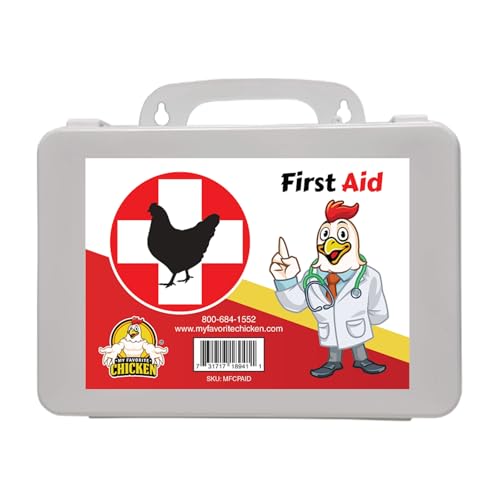
Read guide →The Best Chicken First Aid Kit Essentials
Build a flock first aid kit that handles wounds, bumblefoot, and weak birds, with research-based product picks.
Read guide →Impacted Crop in Chickens
Feel for a hard morning crop, treat a mild blockage safely, and prevent impactions with grit and shorter grass.
Read guide →Fowl Pox in Chickens
Tell the dry scabs from the serious wet form, give supportive care, and fight the mosquitoes that spread it.
Read guide →Vent Prolapse in Hens
Act fast on this laying emergency: isolate the hen, gently replace the tissue, and stop it recurring.
Read guide →Pasty Butt in Chicks
Spot and clean a sealed vent, then prevent it with steady brooder heat and good hydration in the first weeks.
Read guide →Biosecurity for Backyard Flocks
Quarantine new birds, keep wild birds out, clean smart, and know the warning signs that need a fast call.
Read guide →When to Cull or Call a Vet
A practical framework for treating at home, calling a vet, or making the humane choice, plus how to find poultry care.
Read guide →Why Is My Chicken Not Laying Eggs?
Age, short winter days, molting, stress, and diet all stop laying. Match the cause to the season and know when it signals illness.
Read guide →Why Is My Chicken Losing Feathers?
Tell a normal molt from mites, lice, feather picking, or mating wear, with practical fixes and when feather loss means trouble.
Read guide →Why Is My Chicken Sneezing?
Separate harmless dust sneezing from contagious respiratory disease, improve ventilation, and know the signs that need a vet.
Read guide →Why Is My Chicken Limping?
Bumblefoot, sprains, scaly leg mites, and lodged debris explained, with a hands-on exam guide and when to suspect a fracture or Marek's.
Read guide →Why Is My Chicken Not Eating?
Crop problems, illness, heat, and broodiness can stop a bird eating. Learn to check the crop, support her, and act on the warning signs.
Read guide →Why Is My Chicken's Comb Pale?
A pale comb is often a normal resting hen, but can mean anemia or illness. Tell the difference, and know why blue is more urgent.
Read guide →Why Is My Chicken Panting?
Panting is how chickens beat the heat, but heavy panting signals dangerous heat stress. Learn to cool a bird and spot respiratory causes.
Read guide →Why Is My Chicken Sleeping a Lot?
Tell normal naps from lethargy, the early warning sign of illness in a species that hides sickness, and know what to check and when to worry.
Read guide →Why Is My Chicken Eating Eggs?
Egg eating starts by accident and becomes a stubborn habit. Stop it with nutrition, frequent collection, and roll-away nesting boxes.
Read guide →Why Is My Chicken Losing Feathers Around the Vent?
Bare patches at the vent usually mean mites, lice, or feather picking. How to check, treat, and tell it from a serious prolapse.
Read guide →