Best Meat Chicken Breeds for the Homestead
The best meat chicken breeds: Cornish Cross, Freedom Ranger, Jersey Giant, Bielefelder, New Hampshire Red, and Brahma compared by growth rate, size, and hardiness.
Raising your own meat chickens gives you healthy, traceable food and real self-sufficiency, but the right breed depends on your goals. Fast-growing broilers fill the freezer in a couple of months, slower pasture hybrids offer firmer, more flavorful meat, and heritage dual-purpose breeds let you raise eggs, meat, and replacements from one sustainable flock. Below are six of the best meat breeds, chosen for growth rate, carcass size, hardiness, and how each fits a backyard or homestead.
Meat Bird Raising Essentials

Manna Pro Manna Pro Chick Starter Feed
High-protein starter to launch fast-growing meat chicks.
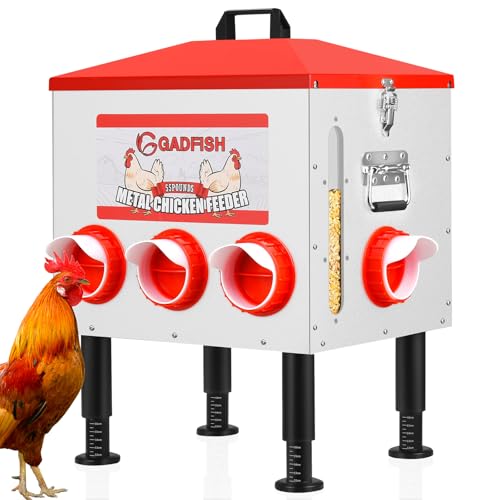
GADFISH 55 lb Automatic Chicken Feeder
High-capacity feeder keeps hungry meat birds growing steadily.

Omlet Omlet Insulated Chicken Waterer, 3 Gallon
Constant clean water is critical for fast-growing broilers.

ZenxyHoC ZenxyHoC Brooder Plate for Chicks
Safe, lamp-free warmth for brooding a batch of meat chicks.
How we chose these breeds
These picks are based on established poultry-breed data and the reputations these birds have earned with homesteaders and poultry-extension resources, not on lab testing. We weighted growth rate and carcass yield most heavily, then considered hardiness, foraging ability, and whether the breed suits fast terminal raising or long-term sustainable keeping. The list spans the full range, from the lightning-fast Cornish Cross to slow-growing heritage giants you can breed yourself.
The best meat breeds at a glance
| Breed | Type | Time to weight | Mature size | Best for |
|---|---|---|---|---|
| Cornish Cross | Fast broiler hybrid | 6-9 weeks | 5-8 lb dressed | Fast, efficient freezer filling |
| Freedom Ranger | Slow broiler hybrid | 9-11 weeks | 5-6 lb dressed | Pasture, flavor, welfare |
| Jersey Giant | Heritage dual-purpose | 16-21 weeks | Roo ~13 lb, hen ~10 lb | Largest carcass, sustainable |
| Bielefelder | Dual-purpose | 16-20 weeks | Roo ~10-12 lb, hen ~7-8 lb | Meat plus eggs, calm |
| New Hampshire Red | Dual-purpose | 14-18 weeks | Roo ~8.5 lb, hen ~6.5 lb | Fast-maturing homestead bird |
| Brahma | Heritage dual-purpose | 18-24 weeks | Roo ~10-12 lb, hen ~8-10 lb | Large, cold-hardy carcass |
Cornish Cross: the efficiency champion
For raw efficiency, nothing matches the Cornish Cross, the bird behind nearly all commercial chicken. It reaches a 5 to 8 pound processing weight in just 6 to 9 weeks with outstanding feed conversion and a broad, meaty breast. The catch is welfare: it grows so fast that its heart and legs can struggle, so keepers manage feed, keep birds active, and process on schedule rather than holding them. It is a terminal bird, not for breeding or long-term keeping, but for filling a freezer quickly, it is unbeatable.
Freedom Ranger: the pasture-raised alternative
The Freedom Ranger, sometimes sold as the Red Ranger, is a slower-growing meat hybrid that suits keepers who want pasture-raised birds with fewer health issues. It reaches a 5 to 6 pound carcass in about 9 to 11 weeks, forages actively, handles the outdoors well, and produces firmer, more flavorful meat than the Cornish Cross. For homesteaders who value welfare, flavor, and birds that thrive on grass, the Ranger is an excellent middle-ground choice between fast broilers and slow heritage breeds.
Jersey Giant and Brahma: the heritage giants
For a large, sustainable carcass from a breed you can keep and reproduce, the heritage giants deliver. The Jersey Giant is the largest purebred chicken, with roosters reaching 13 pounds, bred specifically as a roasting bird, though it grows slowly over 16 to 21 weeks. The Brahma is another massive, cold-hardy dual-purpose bird that yields a generous carcass and lays decent brown eggs. Both grow too slowly to compete with broilers commercially, but for a self-reliant homestead, they are rugged, large, and long-lasting.
Bielefelder and New Hampshire Red: dual-purpose value
If you want one flock for both eggs and meat, these dual-purpose breeds shine. The Bielefelder is a large, calm German bird that dresses out well and lays 200 to 230 eggs a year, with the bonus of autosexing chicks. The New Hampshire Red was selected from the Rhode Island Red specifically for faster growth, reaching a good table weight more quickly than most heritage breeds while still laying plenty of brown eggs. Both let you raise eggs, meat, and replacements from a single sustainable flock.
Tips for raising meat birds
Whatever breed you choose, clean housing and good feed matter most. Provide a high-protein starter around 22 to 24 percent for the first weeks, then a grower or finisher around 18 to 20 percent, with constant fresh water. Keep bedding dry and ventilation strong, since meat birds eat and excrete heavily. Many keepers use mobile pasture pens moved daily onto fresh grass to keep birds clean, add forage, and spread manure. With fast broilers, process on schedule rather than holding them past their prime.
Backyard Chicken Keepers Planner
Track your chicken's health, meds, vet visits, mobility, nutrition, and quality of life, all in one printable planner.
Bottom line
For the fastest, most efficient meat, choose the Cornish Cross; for pasture-raised flavor and better welfare, the Freedom Ranger; and for a sustainable homestead flock, a heritage giant like the Jersey Giant or Brahma, or a dual-purpose Bielefelder or New Hampshire Red that also lays eggs. Match the breed to whether you want quick freezer filling or a self-reliant, reproducing flock, feed them well, and you will raise healthy, satisfying meat at home.
Pet Insurance · Sponsored
Have a Dog or Cat at Home Too? Protect Them From Surprise Vet Bills
Most backyard chicken keepers share their home with a dog or cat as well, and one emergency visit can run into the hundreds or thousands. Pet insurance can help cover surprise vet bills so a sudden cost does not force a hard choice. Get a free quote and see what coverage fits your household.
Frequently Asked Questions
What is the best meat chicken breed?
For sheer efficiency, the Cornish Cross is the top meat bird, reaching a 5 to 8 pound processing weight in just 6 to 9 weeks. For a slower, hardier, free-range alternative, the Freedom Ranger or Red Ranger is excellent, and for a dual-purpose heritage option you keep long-term, breeds like the Bielefelder, New Hampshire Red, and Jersey Giant fill the table while also laying eggs. The best choice depends on whether you want fast efficiency or a sustainable, self-reliant flock.
How fast do meat chickens grow?
It depends on the type. Cornish Cross broilers grow fastest, reaching processing weight in about 6 to 9 weeks. Slower meat hybrids like Freedom Rangers take roughly 9 to 11 weeks and produce a firmer, more flavorful carcass. Heritage dual-purpose breeds grow slowest, often needing 16 to 20 weeks or more to reach a good table weight, but they forage well, stay healthy, and can be bred to reproduce themselves.
Are Cornish Cross chickens healthy to raise?
Cornish Cross grow so fast that they need careful management. Their rapid growth can stress their hearts and legs, so keepers limit feed at times, keep them active, and process them on schedule rather than holding them too long. They are not suited to long-term keeping or breeding. Raised correctly over a short window they are extremely efficient, but they require more attention to welfare than slower-growing heritage meat birds.
Can dual-purpose breeds really be used for meat?
Yes, though they yield a smaller, slower carcass than dedicated broilers. Breeds like the New Hampshire Red, Delaware, Bielefelder, and Jersey Giant grow to a respectable size and dress out into a good roasting or stewing bird, just over more weeks and with leaner, firmer meat. The advantage is that the same flock lays eggs and can reproduce itself, making it a more self-sufficient choice for a homestead than a terminal broiler hybrid.
How much space do meat birds need?
Meat birds need clean, roomy housing to stay healthy, with good ventilation and dry bedding because they eat and droppings build up fast. Plan on at least 2 to 4 square feet per bird indoors for fast-growing broilers, and more for slower heritage birds that range. Many keepers raise broilers in mobile pasture pens that are moved daily onto fresh grass, which keeps birds clean, adds forage, and spreads manure across the ground.
What should I feed meat chickens?
Feed a high-protein meat-bird or broiler ration, typically a starter around 22 to 24 percent protein for the first few weeks, then a grower or finisher around 18 to 20 percent. Fast-growing broilers convert feed to weight very efficiently but eat a lot, so good feed is the main cost. Provide constant fresh water and grit if they eat anything besides crumbles. Slower heritage birds also benefit from pasture and forage.
How big do Jersey Giants get?
Jersey Giants are the largest purebred chicken, with roosters reaching 13 pounds and hens around 10 pounds. They were bred as a heritage roasting bird and produce a large carcass, but they grow slowly, often needing 16 to 21 weeks or more to mature, which made them uneconomical against modern broilers. For homesteaders who want a big, hardy, sustainable meat bird that also lays large brown eggs, the Jersey Giant is a classic dual-purpose giant.
Need more help with your flock?
Browse our guides by topic to find practical solutions.
Wellness Planner: $39